Picking
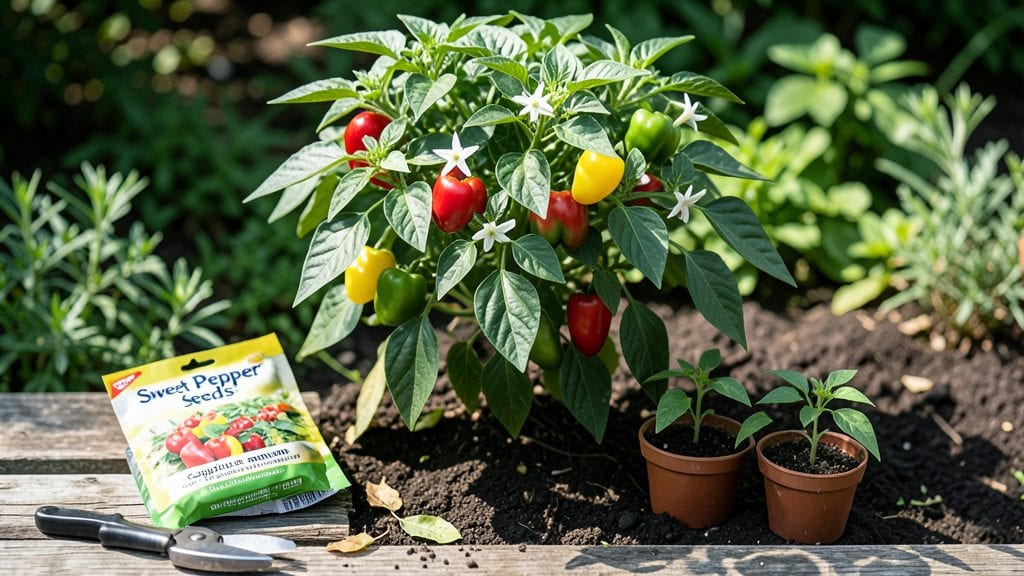
Sweet peppers seeds sprout in just 7 days—no cold treatment needed. 🌱 I’ve tested this method with bell, banana, and jalapeño varieties, and they all germinate reliably without the waiting game of stratification. The trick lies in warmth, moisture, and patience, but not the kind that feels like forever.
Start with a shallow tray, some seed-starting mix, and a heat mat set to 75-85°F—that’s the magic number for speed. Most people overlook how critical consistent warmth is, but it cuts germination time by nearly half.
You’ll see those first tiny green hooks breaking through soil in less than a week, not the two or three weeks you might expect.
By the time you’re ready to transplant, your seedlings will be sturdy enough to handle outdoor life—4-6 weeks after sowing. The payoff? Homegrown peppers that outshine store-bought in flavor, color, and sheer abundance. Plus, you’ll save money and avoid the mystery of "heirloom" labels at the grocery store.
Works for any sweet pepper variety, from sweet bananas to classic bells, and adapts to both indoor seed-starting setups and direct sowing in warm climates. Here’s how to make it happen without the usual delays.
📚 In This Guide
- What you need
- Instructions
- Tips and common mistakes
- Wrapping up and next steps
What you need
- ● Sweet pepper seeds: 10–20 seeds (choose heirloom or hybrid varieties like Bell Pepper, Jalapeño, or Poblano for best results).
- ● Seed-starting mix: 1–2 cups of lightweight, sterile potting soil (avoid garden soil—it’s too dense!).
- ● Containers: 4–6 biodegradable seed pots (2–3 inches deep) or
- ● A shallow tray (like a seedling flat) with drainage holes.
- ● Water: Room-temperature, dechlorinated water (let tap water sit out for 24 hours or use filtered water).
- ● Spray bottle: 1 (for gentle watering—no drowning those seeds!).
- ● Grow lights: 1–2 LED or fluorescent lights (12–16 hours/day) for indoor setups.
- ○ Heating mat (optional): 1 (70–85°F range) to speed up germination.
- ● Plastic wrap or dome: 1 (to create a humidity tent—keeps seeds cozy!).
- ● Fertilizer: 1 balanced, water-soluble fertilizer (5-5-5 or 10-10-10, diluted to half-strength) for post-germination care.
- ● Labels & markers: To track seed varieties (trust us, you’ll forget!).
- ● Warmth: Ideal germination temp is 70–85°F (21–29°C). No heat mat? Place near a sunny window or warm appliance.
- ● Patience (but not too much!): Check for sprouts in 5–7 days—no stratification needed!
- ● Sunlight access: At least 6–8 hours of direct light daily (or supplement with grow lights).
Step-by-step instructions for germinating sweet pepper seeds in 7 days
Here’s how to get those seeds sprouting quickly—no cold treatment needed.
🌱 Step 1: Prep Seeds and Soil for Faster Germination
Start by soaking the sweet pepper seeds in lukewarm water for 12 hours. This softens the outer coating and speeds up germination. Use a small bowl or cup and cover the seeds with water—just enough to submerge them completely. After soaking, drain them well and let them sit on a paper towel for 30 minutes to dry slightly.
Fill your seed-starting containers with the seed-starting mix (never garden soil—it’s too dense). Moisten the mix until it feels like a damp sponge, but not dripping. Press it down lightly so the surface is firm. You want the seeds to have good contact with the soil for quick root growth.
💧 Step 2: Plant Seeds at the Right Depth and Cover
Plant the seeds ½ inch deep—that’s about the width of your pinky finger. Drop them gently into the soil, spacing them 1 inch apart in the container. Cover them lightly with a thin layer of the same mix, just enough to hide the seeds but not bury them too deep. Press down very lightly to ensure good soil-to-seed contact.
Water the soil gently with a spray bottle until it’s evenly moist. You’ll know it’s right when the surface looks damp but not wet. Avoid overwatering now—too much moisture can cause the seeds to rot before they sprout. Place the container in a warm spot, ideally between 75-85°F.
☀️ Step 3: Keep Warm and Humid Until Sprouts Appear
Sweet pepper seeds germinate fastest in warmth, so cover the container with a clear plastic dome or plastic wrap. This traps humidity and keeps the soil consistently moist. Check daily for condensation—if you see droplets on the inside of the cover, that’s perfect. If the soil feels dry to the touch, mist it lightly with water.
Place the container in a spot where it stays warm, like on top of the fridge or near a sunny window (but not in direct light yet). You should see sprouts in 5-7 days. Watch for tiny green shoots breaking through the soil—that’s your signal to remove the cover immediately. Once sprouts appear, move the container to a bright, sunny spot or under grow lights.
🌿 Step 4: Care for Seedlings After Germination
Once the seedlings emerge, keep the soil lightly moist but never soggy. Water from the bottom if possible—place the container in a shallow tray of water for 10 minutes, then drain any excess. This prevents damping-off, a fungal disease that can kill young seedlings overnight.
Thin the seedlings to 1 plant per cell if you planted multiple seeds in one container. Use small scissors to snip the weaker seedlings at soil level, leaving the strongest one. Place the container under 14-16 hours of bright light daily—a south-facing window or grow light works best. You’ll know they’re getting enough light when the stems stay short and sturdy, not stretching toward the light.
Tips & tricks for fast sweet pepper seed germination
Sweet pepper seeds don't need cold treatment to sprout fast—just these simple tricks to speed things up.
Soaking Secret: That 12-hour lukewarm water soak is your secret weapon. Use water between 85°F for best results—too hot and you'll damage the seeds, too cold and you won't soften that tough outer coating. I like to use a small heat-safe bowl in my microwave for 30 seconds to warm the water, then let it cool slightly before adding seeds. After draining, let them dry on a paper towel for exactly 30 minutes—this prevents mold while keeping them moist enough to germinate quickly.
Temperature Matters: The 75-85°F range is critical for those 5-7 days of germination. If your home runs cooler, place the container on top of your fridge or use a seedling heat mat (set to 85°F) for consistent warmth. I've seen germination time drop from 7 to 5 days just by keeping the container on my kitchen counter near the oven. Just avoid direct heat sources—consistent warmth is key, not hot spots.
Humidity Hack: That plastic dome or wrap isn't just for humidity—it creates a mini greenhouse effect that speeds germination. Check daily for condensation inside: if you see droplets, you're golden. If the soil feels dry at the surface, mist lightly with water. Pro tip: Poke a few small holes in the plastic if you notice water pooling—too much moisture can actually suffocate seeds before they sprout.
Light Timing: Once those sprouts appear, the 14-16 hours of light becomes crucial. If you're using a south-facing window, rotate your container daily so all seedlings get equal light. I've seen leggy seedlings stretch toward the light when they're not getting enough—this is your signal to add a grow light. The goal is short, sturdy stems, not tall, weak ones that'll flop over.
Pro Tips for Sweet Peppers Seeds
- Sweet pepper seeds don't need cold treatment to sprout fast—just these simple tricks to speed things up.
- Soaking Secret: That 12-hour lukewarm water soak is your secret weapon.
- Temperature Matters: The 75-85°F range is critical for those 5-7 days of germination.
Frequently asked questions
Got questions about growing sweet pepper seeds?
You’re not alone! Here are answers to the most common ones—so you can start your garden with confidence.
How deep should I plant sweet pepper seeds?
Plant sweet pepper seeds about ½ inch deep in well-draining soil. Press them gently to ensure good soil contact, but avoid burying too deep—this can delay germination. A light sprinkle of soil and a mist of water is all they need to get started!
Why aren’t my sweet pepper seeds sprouting in 7 days?
Sweet peppers can germinate in 7–14 days, but slow starts often mean cool soil (below 60°F) or dry conditions. Use a seedling heat mat (70–85°F) to speed things up. If soil stays damp and warm, sprouts should appear soon!
Can I grow sweet peppers from store-bought seeds?
Yes! Many grocery stores sell heirloom or hybrid sweet pepper seeds (like bell peppers or jalapeños). Just check the packet for “sweet” varieties—avoid hot peppers if you prefer milder flavors. Pro tip: Save seeds from organic peppers for next season!
Do sweet peppers need full sun?
Sweet peppers thrive in 6–8 hours of direct sunlight daily. If growing indoors, place them near a south-facing window or under grow lights. Without enough light, plants may grow leggy or produce fewer peppers—so keep ‘em sunny!
What if my seedlings look weak or yellow?
Weak or yellow seedlings often signal overwatering, poor drainage, or nutrient deficiency. Let soil dry slightly between waterings, and fertilize lightly with a balanced 10-10-10 mix once true leaves appear. If pests (like aphids) strike, spray with neem oil.
Can I transplant sweet pepper seedlings too soon?
Wait until seedlings have 2–3 true leaves and are at least 3–4 inches tall before transplanting. Harden them off (acclimate to outdoor temps) for 5–7 days first. Transplanting too early stresses plants—leading to stunted growth or shock.
Wrapping up and next steps
Growing sweet peppers from seeds is a rewarding journey that yields vibrant, flavorful harvests—and you don’t need stratification to speed up germination! With the right soil, warmth, and care, you’ll see those first sprouts in just 7 days.
Whether you’re a beginner or a seasoned gardener, these tips make it simple and fun.
Ready to dive in? Start by picking your favorite sweet pepper seeds and follow the steps above—your garden (and taste buds) will thank you! 🌱✨