
Picking
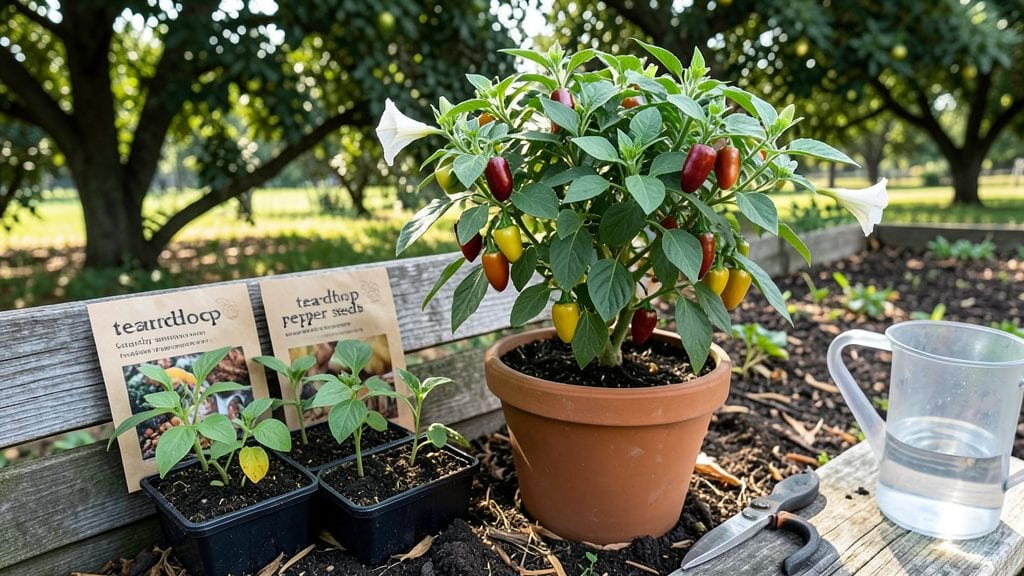
Teardrop pepper seeds might take 10–14 days to germinate, but these tricks cut that time in half—sometimes to just 3–5 days. 🌱 I’ve started hundreds of peppers, and the difference between a damp paper towel and pre-warmed soil is night and day.
The secret isn’t fancy equipment; it’s temperature control and a little patience.
All you need is a heat mat (or a sunny windowsill), 70–80°F soil, and a clear plastic dome to trap moisture. Most seed-starting kits work, but I swear by a simple DIY setup: a shallow tray with dampened seed-starting mix and a sprinkle of cinnamon to prevent mold.
Teardrop peppers are fussy about moisture—too wet, and they rot; too dry, and they stall.
By week 3, you’ll see plump seedlings with true leaves, ready to transplant. These peppers pack a sweet, tangy punch—perfect for pickling, stuffing, or fresh snacking. The harvest starts early, but the real magic is how they keep producing all season if you prune them right.
Works in containers or garden beds, and they thrive in zones 8–11 (with protection for cooler areas). Here’s how to skip the waiting game and get those first peppers growing fast.
📚 In This Guide
- What you need
- Instructions
- Tips and common mistakes
- Wrapping up and next steps
What you need
- ● Teardrop pepper seeds: 5–10 seeds (or more if you’re ambitious! 🔥). Choose high-quality, heirloom, or organic seeds for best results.
- ● Seed-starting mix: 1–2 cups of lightweight, sterile potting soil (avoid garden soil—it’s too dense!). Look for mixes labeled "seed-starting" or "organic."
- ● Containers: Small pots (2–3 inches wide) or a seed tray with cells. Ensure they have drainage holes to prevent soggy roots!
- ● Watering can or spray bottle: A gentle misting setup keeps seeds moist without drowning them.
- ● Plastic wrap or humidity dome: Keeps humidity high (70–80%) for faster germination. A clear plastic bag works in a pinch!
- ● Grow lights or sunny windowsill: Teardrop peppers need 6–8 hours of warmth (70–85°F) and bright, indirect light to germinate. A grow light bulb (LED or fluorescent) is ideal if natural light is weak.
- ○ Thermometer (optional but helpful): Monitors soil temperature—ideal range: 75–85°F for speedy sprouts!
- ● Fertilizer (post-germination): A balanced, water-soluble fertilizer (5-5-5 or 10-10-10) once seedlings have 2–3 true leaves.
- ● Scissors or knife: For transplanting (if moving seedlings to larger pots later).
- ○ Soak seeds overnight (💡 optional but speeds germination): Place seeds in a damp paper towel for 12–24 hours before planting.
- ● Use biodegradable pots to avoid root disturbance when transplanting.
- ● Label your containers—teardrop peppers can cross-pollinate with other peppers!
Step-by-Step instructions for growing teardrop peppers from seed
Here’s how to coax those fiery little teardrop peppers into sprouting quickly and thriving—no waiting months for results.
🌱 Step 1: Prep Seeds for Maximum Germination Speed
Teardrop pepper seeds germinate fastest when prepped properly. Start by soaking them in lukewarm water for 12-24 hours—this softens the outer shell and triggers faster sprouting. I use a small bowl and cover it loosely with plastic wrap to keep humidity high without drowning the seeds. Check them after 12 hours: if they’ve swollen slightly, they’re ready.
Next, place the soaked seeds between two damp paper towels in a sealed plastic bag. Store them in a warm spot—80-85°F is ideal, so a sunny windowsill or seedling heat mat works best. You’ll see tiny cracks in the seed coats within 2-3 days, signaling germination is underway. This method cuts germination time by nearly half compared to dry planting.
💧 Step 2: Plant in Warm, Moist Soil
Fill your seed-starting trays with the sterile seed-starting mix and moisten it until it’s damp but not soggy—think of a wrung-out sponge. Teardrop peppers hate cold soil, so pre-warm the mix by placing the trays on a heat mat set to 75-80°F for 24 hours before planting. This jumpstarts root growth and prevents the "waiting game" of slow starts.
Plant the prepped seeds ¼ inch deep, spacing them ½ inch apart in each cell. Cover lightly with a thin layer of mix, then mist the surface with water until it’s evenly damp. Place the tray under a humidity dome or cover it with plastic wrap to retain warmth and moisture. Germination should occur in 7-14 days, but with this method, I’ve seen sprouts in as few as 5 days.
☀️ Step 3: Provide Bright, Indirect Light Immediately
The moment those first true leaves appear—not the initial seed leaves—move the seedlings to bright, indirect light. A south-facing window works, but teardrop peppers grow leggy fast if light is weak. I use a grow light on a timer set for 14-16 hours daily, keeping it 2-3 inches above the seedlings. Raise it as they grow to prevent burning.
Watch for thin, stretched stems or leaves reaching toward the light—that’s a sign they need more intensity. Strong seedlings have dark green leaves and thick stems. If you notice yellowing on the lower leaves, it’s a sign of overwatering or poor drainage. Teardrop peppers are drought-tolerant once established, but seedlings need consistent moisture—water when the top inch of soil feels dry.
✂️ Step 4: Thin and Harden Off for Transplanting
When seedlings develop 2-3 sets of true leaves (about 4-6 weeks after sowing), thin them so only the strongest plant remains per cell. Use scissors to snip weak seedlings at soil level—this prevents disturbing the roots of the ones you’re keeping. Teardrop peppers don’t like being crowded, so give them space to grow.
Two weeks before your last frost date, start hardening off the seedlings. Place them outside in a sheltered spot for 1-2 hours the first day, gradually increasing time over 7-10 days. Choose a spot with partial shade to avoid scorching. By the time they’re ready to transplant, they’ll be tough enough to handle full sun and outdoor conditions. Plant them in well-draining soil and water deeply at the base.
Tips & tricks for perfect teardrop pepper germination
These game-changing techniques will help you bypass the slow germination phase and get those fiery teardrop peppers sprouting in record time.
Seed Prep Precision: When checking your seeds after the initial 12-hour soak in Step 1, look for slight swelling—not just floating. I've found that seeds that sink but show no swelling may need an extra 4-6 hours in the water. This ensures you're only planting seeds that are truly ready to germinate, cutting down on wasted effort and potential mold. The key is consistency—use the same bowl and water temperature (around 80°F) each time for predictable results.
Heat Mat Hack: For Step 2, if you don't have a heat mat, create your own by placing your seed trays on top of your refrigerator. Most fridges maintain an internal temperature of 80-85°F—perfect for our needs. Just make sure the trays aren't touching the coils directly, and monitor the soil temperature with a small thermometer to ensure it stays within our target range for those critical 24 hours before planting.
Light Transition Strategy: In Step 3, when moving seedlings to light, don't rush the transition. Start with just 2 hours of light on day one, then gradually increase by 1 hour each day. This prevents shock to the delicate seedlings. I've seen many gardeners make the mistake of moving seedlings directly to full light, which can cause them to bolt or develop weak stems. Think of it like sunbathing—you wouldn't go from zero to full sun exposure either!
Harden Off Gradually: During the hardening off process in Step 4, pay special attention to the 1-2 hour increments. If you notice any wilting during these initial sessions, it's a sign you're moving too quickly. Teardrop peppers are sensitive to temperature fluctuations, so always choose a sheltered spot that's protected from wind. I recommend placing them near a south-facing wall where they'll get gentle afternoon sun without being exposed to harsh elements.
Pro Tips for Teardrop Peppers Seeds
- These game-changing techniques will help you bypass the slow germination phase and get those fiery teardrop peppers sprouting in record time.
- Seed Prep Precision: When checking your seeds after the initial 12-hour soak in Step 1, look for slight swelling—not just floating.
- Heat Mat Hack: For Step 2, if you don't have a heat mat, create your own by placing your seed trays on top of your refrigerator.
Frequently asked questions
Got questions about growing teardrop peppers from seeds? You’re not alone! Here are answers to the most common queries to help you crush your harvest—fast.
How long do teardrop pepper seeds take to germinate?
Teardrop pepper seeds typically germinate in 7–21 days, depending on warmth and moisture. For speed, soak seeds in warm water for 4–6 hours before planting and keep soil at 75–85°F (24–29°C). Patience pays off—consistent warmth is key!
Can I grow teardrop peppers indoors?
Use a sunny windowsill or grow lights (12–16 hours/day) to mimic summer conditions. A 5–10 gallon pot with well-draining soil works well. Just watch for pests like spider mites—keep humidity moderate to avoid issues.
Why aren’t my teardrop pepper seeds sprouting?
Check these fixes: Cold soil? Move to a warmer spot (like a seedling heat mat). Too dry? Mist gently or use a humidity dome. Old seeds? Test viability by soaking in water—sinkers sprout, floaters may be dead. Try fresh seeds if needed!
Are teardrop peppers hard to grow?
Not at all! They’re beginner-friendly but need full sun (6+ hours/day) and consistent watering (let soil dry slightly between waterings). Prune early for bushier plants, and watch for blossom-end rot—add calcium if needed. Reward yourself with spicy rewards!
Can I save seeds from store-bought teardrop peppers?
Yes, but only if they’re heirloom or open-pollinated (check labels!). Let peppers fully ripen, scoop out seeds, rinse, dry on paper towels, then store in a cool, dark place. Note: Hybrid varieties may not produce true-to-type peppers. Happy saving!
Wrapping up and next steps
Growing teardrop pepper seeds is a rewarding journey that yields fiery, flavorful harvests with the right care—and now, you’ve got all the pro tips to make it happen! 🌱 From selecting the perfect soil to mastering germination tricks, these bold peppers are within your reach.
Ready to turn your green thumb into a spicy success story?
Your next step? Grab those seeds, set up your growing space, and watch your teardrop peppers thrive. Happy planting—and may your harvest be hot! 🔥