Vegetables
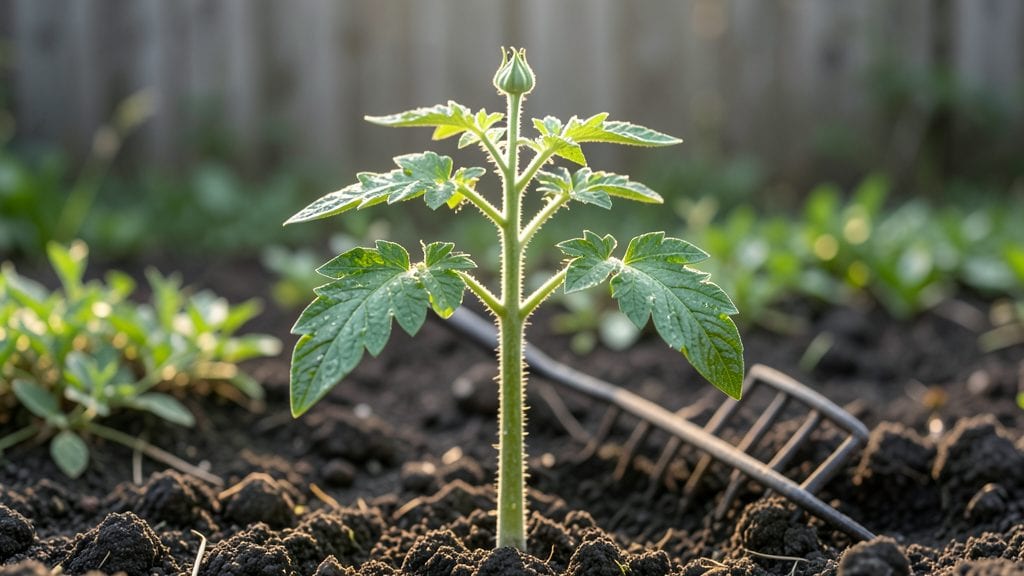
Tomato seedling care starts the moment those first green leaves poke through the soil—because those tiny stems hold the promise of your summer harvest. 🌱 I’ve watched seedlings go from spindly and sad to stocky and strong, and the difference comes down to three things: light, water, and confidence.
Most beginners overwater or underlight, both of which stunt growth or invite disease. The good news? You don’t need a greenhouse or fancy tools—just a sunny spot, a spray bottle, and a little patience.
Seedlings need 12-16 hours of bright light daily, whether from a south-facing window or a grow light just a few inches above them. Overwatering is the real villain—soak the soil just enough to moisten it, then let the top inch dry out before watering again.
Too much water drowns roots, while too little leaves them weak and leggy. I’ve learned the hard way that consistency matters more than frequency; seedlings thrive on routine, not drama.
By the time you’re ready to transplant, your seedlings should be 4-6 inches tall with sturdy stems and dark green leaves. Hardening them off for 5-7 days before moving them outside—gradually increasing their time outdoors—prevents shock. The payoff?
Plants that take off running in the garden instead of wilting under the stress of the transition. It’s the difference between a sad, scraggly tomato plant and one that’s lush, productive, and begging for more.
This works for indoor starts in March or outdoor sowings in May, whether you’re in a container or a raised bed. The key is adapting the basics to your setup—more light for indoor seedlings, shade cloth for outdoor ones in hot climates. Let’s get those seedlings growing strong!
📚 In This Guide
- What you need
- Instructions
- Tips and common mistakes
- Wrapping up and next steps
What you need
- ● Seed starting mix: 1–2 bags (1–2 cubic feet) of sterile, seedling-specific soil mix (avoid garden soil—it’s too dense and may harbor diseases). Look for brands like FoxFarm Seedling Formula or Black Gold Seedling Mix.
- ● Seedling trays or pots: 1–2 biodegradable seedling pots (2–3 inch diameter) or
- ● 1 seedling tray with cells (50–72 cells per tray) or
- ● 1–2 small plastic or paper cups (with drainage holes punched in the bottom).
- ● Tomato seeds: 5–10 seeds per pot (you’ll thin them later—more on that below!). Choose heirloom or hybrid varieties suited to your climate (e.g., Early Girl, Cherry Roma, or Beefsteak).
- ● Watering can or spray bottle: A gentle spray nozzle (to avoid disturbing seeds) or a small watering can with a fine rose attachment.
- ● Grow lights or sunny windowsill: 1–2 LED grow lights (12–16 hours/day, 12–24 inches above seedlings) or
- ● A south-facing windowsill (6+ hours of direct sunlight daily).
- ● Humidity dome or plastic wrap: 1–2 clear plastic domes (to retain moisture) or plastic wrap (cut to fit trays).
- ● Fertilizer: 1 small container of balanced, water-soluble fertilizer (e.g., 5-5-5 or 10-10-10) or a seaweed-based starter solution.
- ● Scissors or knife: For trimming seedlings during transplanting.
- ● Drainage tray or saucer: 1–2 shallow trays to catch excess water and prevent root rot.
- ● A soil thermometer (to monitor seedling mix temps—ideal range: 70–85°F).
- ● Bottom watering tray (to encourage deep root growth).
- ● Heating mat (for faster germination if temps dip below 60°F).
- ● Label markers (to track seed varieties and planting dates).
- ● Compost or worm castings (for a nutrient boost when transplanting).
Step-by-step instructions for thriving tomato seedlings
Here’s how to transform fragile seedlings into strong, garden-ready transplants.
🌱 Step 1: Provide Consistent Light and Airflow
Tomato seedlings need 14-16 hours of bright light daily—a south-facing window rarely cuts it. I position a full-spectrum LED grow light just 2-4 inches above the plants, raising it weekly as they grow. Without enough light, seedlings stretch (leggy growth) and weaken.
Place seedlings in a well-ventilated area to prevent damping-off disease. A small fan on low speed, aimed at the leaves for 2-3 hours daily, strengthens stems and mimics outdoor conditions. You’ll see sturdier stems and glossier leaves within a week.
💧 Step 2: Water Deeply and Evenly
Water seedlings only when the top inch of soil feels dry—overwatering suffocates roots. I use a spray bottle or watering can with a fine rose to avoid disturbing seedlings. Soak until water drains from the bottom, then let excess water evaporate before adding more.
Keep soil consistently moist, not soggy. Yellowing lower leaves signal overwatering, while wilting means underwatering. A moisture meter helps, but your finger works too—stick it in the soil to check moisture levels.
✂️ Step 3: Prune and Support for Strong Growth
When seedlings reach 6-8 inches tall, pinch off the lower leaves below the first flower cluster (if present) to improve airflow and reduce disease risk. This encourages energy to focus on the upper plant. I also remove any suckers (side shoots) that form in the leaf axils—these drain the plant’s resources.
If seedlings flop, insert bamboo stakes or small tomato cages (4-6 inches tall) at planting time. Gently tie the main stem to the stake with soft plant ties, adjusting as the plant grows. This prevents bending and ensures upright growth.
🌿 Step 4: Harden Off Before Transplanting
Two weeks before your last frost date, start hardening off seedlings by placing them outside in partial shade for 1-2 hours the first day. Gradually increase exposure by 1 hour daily, moving them to direct sun by day 7. This acclimates them to wind, temperature swings, and sunlight intensity.
Watch for signs of stress like wilting or leaf scorch—if this happens, reduce sun exposure slightly. By the time you transplant, seedlings should handle full sun without shock. Plant on an overcast afternoon to minimize transplant stress.
☀️ Step 5: Monitor and Adjust After Transplanting
After transplanting, keep soil evenly moist for the first 2 weeks—new roots are fragile. Mulch with 2-3 inches of organic mulch (like straw) to retain moisture and regulate soil temperature. Avoid wetting leaves when watering to prevent fungal diseases.
Fertilize lightly 10 days after transplanting with a balanced, water-soluble fertilizer (like 10-10-10) diluted to half strength. You’ll see new growth within a week—this confirms the plant is recovering and thriving in its new home.
Tips & tricks for thriving tomato seedlings
Here's what nobody tells you about nurturing seedlings that'll actually survive transplanting.
Lighting Strategy: The 14-16 hours of light requirement is non-negotiable—seedlings will stretch like overcooked pasta without sufficient light. I use a timer for my grow lights to automate this, ensuring consistent exposure. Position lights just 2-4 inches above seedlings initially, then raise them weekly as plants grow. Watch for leggy seedlings (long, thin stems with small leaves)—this is your warning sign to increase light immediately.
Ventilation Hack: That 2-3 hours of daily airflow from a fan isn't just about preventing disease—it's strength training for your seedlings. The gentle breeze mimics natural wind conditions, creating thicker stems through a process called thigmomorphogenesis. Place the fan at least 6 inches away from leaves to avoid damaging tender foliage, and aim it at the leaves rather than directly at stems.
Pruning Precision: When pinching off lower leaves at the 6-8 inch mark, don't just grab and tug—use clean scissors or your fingernail to make a clean cut just above a leaf node. This prevents tearing that can introduce pathogens. For suckers (those little shoots in leaf axils), I wait until they're about 2 inches long before removing them—smaller ones can be more difficult to spot and remove completely.
Harden-Off Timeline: The gradual increase from 1-2 hours to full sun over 7 days is crucial, but timing matters too. Start this process when nighttime temperatures consistently stay above 50°F—colder nights can shock seedlings even after daytime hardening. I keep a small notebook to track each day's sun exposure and plant responses, which helps me adjust if weather changes unexpectedly.
Pro Tips for Tomato Seedling Care
- Here's what nobody tells you about nurturing seedlings that'll actually survive transplanting.
- Lighting Strategy: The 14-16 hours of light requirement is non-negotiable—seedlings will stretch like overcooked pasta without sufficient light.
- Ventilation Hack: That 2-3 hours of daily airflow from a fan isn't just about preventing disease—it's strength training for your seedlings.
Frequently asked questions
Got questions about nurturing your tomato seedlings? You’re not alone—growing strong, healthy transplants takes a little know-how! Here are answers to the most common concerns gardeners have when caring for their young tomato plants.
How often should I water tomato seedlings?
Keep the soil consistently moist (not soggy!) by watering every 2–3 days, or when the top inch feels dry. Seedlings are shallow-rooted, so aim for gentle watering at the base to avoid fungal diseases. Overwatering is worse than underwatering—let the soil dry slightly between sessions.
When is the best time to transplant seedlings outdoors?
Wait until nighttime temps stay above 50°F (10°C) and all frost risk has passed. Most gardeners transplant 4–6 weeks after germination, but size matters too: Seedlings should be 6–12 inches tall with 2–3 true leaves. Harden them off for 7–10 days first by gradually exposing them to outdoor conditions.
Why are my tomato seedlings leggy or stretching?
Leggy seedlings result from too little light or overcrowding. Move them to a sunny window or under grow lights (14–16 hours/day) and thin them so they’re 2–3 inches apart. Bury stems deeper when transplanting—up to the first leaves—to encourage root growth and stabilize weak stems.
What should I do if pests like aphids or spider mites attack my seedlings?
Start with a mild soap spray (1 tsp dish soap + 1 quart water) or neem oil to deter pests. For severe infestations, isolate affected plants and introduce beneficial insects like ladybugs. Keep your garden clean—remove debris and weeds—to reduce hiding spots for pests.
Can I save tomato seedlings if they’re wilting or turning yellow?
Yellowing leaves often signal overwatering, nutrient deficiency, or transplant shock. Check the soil moisture and adjust care. If roots are mushy (rot), trim healthy roots and replant in fresh, well-draining soil. For nutrient issues, use a balanced fertilizer (10-10-10) or compost tea to revive them.
Wrapping up and next steps
Caring for tomato seedlings may seem like a delicate task, but with the right knowledge and a little patience, you’ll soon be rewarded with healthy, thriving plants ready to flourish in your garden. 🌱 Remember, consistency in watering, proper sunlight exposure, and gentle handling are key to success.
Now that you’re equipped with these tips, it’s time to roll up your sleeves and get growing! Start by transplanting your seedlings outdoors (or under grow lights) and watch as they transform into robust tomato plants. Happy gardening—your future harvest is just around the corner! 🍅