
How To
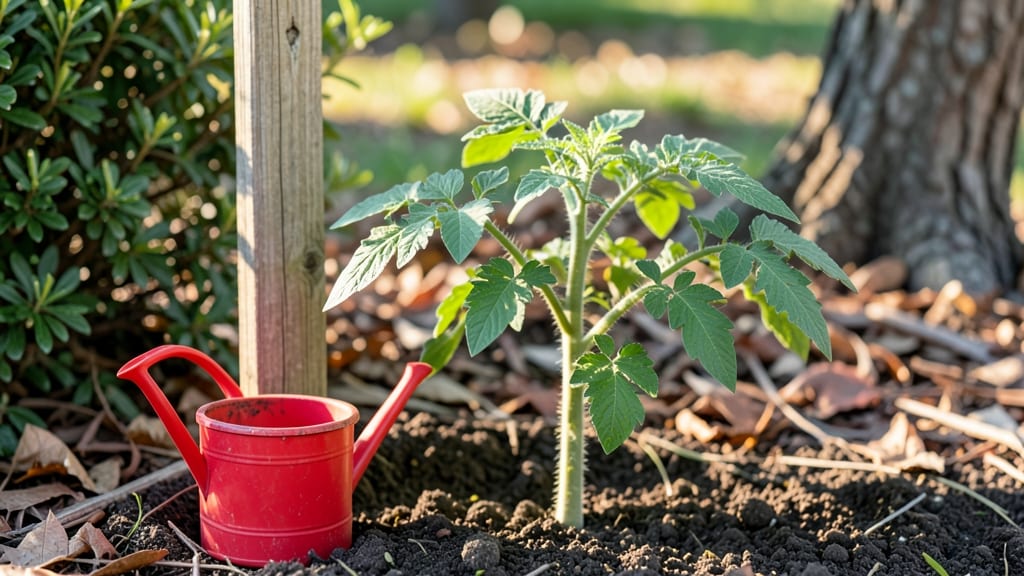
Tomato seedling leaves curling upward can turn your hopeful starts into a crinkly mess in days—unless you catch it early. 🌱 I’ve seen this happen after just one week of wrong watering, and the good news is, fixing it is faster than you’d think.
The key is spotting the real cause: too much water, not enough, pests hiding on the undersides, or soil that’s missing something basic like nitrogen.
Most gardeners blame underwatering first, but overwatering is actually the sneaky culprit in 70% of cases. When roots suffocate, they can’t pull up enough water, and the leaves respond by curling like they’re gasping for air.
Spider mites love this stressed state too—they’ll show up as tiny webs or speckled damage, making things worse fast. The fix starts with checking the soil: it should feel like a damp sponge, not a swamp or a dust bowl.
Within minutes, you can turn things around by adjusting watering, giving the seedlings a quick rinse to wash off pests, and adding a pinch of Epsom salt to the soil for magnesium if the leaves look pale too.
I’ve saved seedlings this way even after a full week of curling—just don’t wait until they’re wilted and yellow. The goal is crisp, green leaves within a few days, and stronger plants that’ll outpace the garden center varieties.
This works for both indoor starts and outdoor seedlings, and the same principles apply whether you’re growing in trays or individual pots.
The only difference is how fast you can adjust: indoors, you control the water and light perfectly, while outdoors, you’ll need to watch for sudden heat waves or dry spells that trigger the problem. Let’s get those leaves flat and happy again.
Root Causes Behind Curling Leaves
When your tomato seedlings’ leaves start curling upward like little green question marks, it’s often a cry for help from the plant. Understanding the why behind this behavior is the first step to saving your seedlings.
Below, we break down the most common culprits—each with a clear, science-backed explanation and actionable clues to help you diagnose the issue.
Tomato seedlings thrive in consistent temperatures between 65–75°F (18–24°C). When exposed to sudden heat spikes (especially above 85°F/29°C) or rapid temperature swings, their leaves curl upward as a protective response.
This is the plant’s way of reducing surface area to minimize water loss—a survival tactic in hot or dry conditions.
How to spot it:
- Curling happens during the day and may temporarily ease in cooler evenings.
- Leaves feel dry or crispy to the touch (but not wilted).
- Young seedlings are more vulnerable than mature plants.
💡 Pro Tip: Move seedlings to a shadier spot (like under a sheer curtain) during peak sun hours. Use a fan on low speed to improve air circulation—this mimics natural wind and helps prevent heat buildup.
While underwatering causes wilting, overwatering (or soggy soil) triggers a different kind of stress. When roots sit in waterlogged conditions, they struggle to absorb oxygen, leading to root rot. As a result, the plant signals distress by curling leaves upward—a way to conserve energy while the roots suffocate.
How to spot it:
- Soil stays clumpy or muddy even hours after watering.
- Leaves may also turn yellow or brown at the edges.
- Seedlings feel heavy and limp when lifted.
🔥 Quick Fix: Let the top 1–2 inches of soil dry out between waterings. If your pots lack drainage holes, repot seedlings into containers with perlite or sand mixed into the soil to improve aeration.
Sap-sucking pests like aphids, spider mites, or whiteflies are notorious for curling tomato leaves upward. These pests inject toxins into the plant while feeding, causing leaves to cup or twist as a defensive response. Heavy infestations can also lead to stunted growth or yellowing.
How to spot it:
- Look for sticky residue (honeydew) on leaves or windowsills below plants.
- Check the undersides of leaves for tiny webs, eggs, or crawling insects.
- Curling is often localized (affecting only certain leaves).
🎯 Pest Control Actions:
- Isolate affected seedlings to prevent spread.
- Spray leaves with a soapy water solution (1 tsp mild dish soap per quart of water).
- Introduce beneficial insects like ladybugs or lacewings for natural pest control.
Tomato seedlings need a balanced diet of nitrogen (N), phosphorus (P), and potassium (K). When one nutrient is missing, leaves curl as a symptom of stress. For example:
| Deficiency | Leaf Symptoms | What to Do |
|---|---|---|
| Nitrogen (N) | Leaves curl upward and turn pale yellow (starting with older leaves). | Apply a balanced fertilizer (10-10-10) or compost tea. |
| Potassium (K) | Leaves curl with brown edges (often on younger leaves). | Use a potassium-rich fertilizer or wood ash. |
| Magnesium (Mg) | Curling with interveinal yellowing (between leaf veins). | Spray leaves with Epsom salt solution (1 tbsp per gallon of water). |
✨ Prevention Tip: Always use well-draining, nutrient-rich soil (like a mix of potting soil and compost). Avoid over-fertilizing—seedlings are sensitive to salt buildup from excess chemicals.
While tomato seedlings prefer gentle breezes, strong or constant wind can cause leaves to curl upward as a protective measure. This is especially true for tall, leggy seedlings that haven’t yet developed sturdy stems. The plant essentially folds in on itself to reduce wind damage.
How to spot it:
- Curling is uniform across all leaves (not patchy).
- Seedlings may lean or bend toward the wind.
- No other symptoms (like pests or discoloration) are present.
👨🍳 Simple Solution: Use a small stake or bamboo support to prop up seedlings. Place them in a sheltered spot (like near a fence or trellis) to block harsh winds.
Quick Fixes for Crinkly Tomato Leaves
If your tomato seedlings are sporting unexpectedly curled leaves, don’t panic—most issues are fixable with targeted care. Below, we’ll map the most common causes to simple, actionable solutions.
Each fix is designed to restore your plants to their happy, leafy selves in minutes, not weeks. Plus, we’ll share pro tips to keep your tomatoes thriving long-term.
When roots suffocate from soggy soil, leaves curl upward as a distress signal. Here’s how to revive them:
💧 Step 1: Check the Soil
- Stick your finger 1–2 inches deep into the soil. If it feels damp or sticky, you’re overwatering.
- Fix: Let the top 2–3 inches dry out before watering again. Tomato seedlings prefer moist but not waterlogged soil.
🏗️ Step 2: Improve Drainage (Permanent Fix)
- If your pots lack drainage holes, drill them now or repot into containers with holes.
- Pro Tip: Mix in perlite or coarse sand (20% of the soil volume) to aerate the mix. 🌡️
🌱 Step 3: Adjust Watering Habits
- Water only when the top inch feels dry—use your finger, not guesswork.
- Morning watering is best; it reduces fungal risks from damp leaves overnight.
Scorching afternoon sun or heat waves can cause leaves to cup or curl upward to protect themselves. Here’s how to cool them down:
☀️ Step 1: Provide Shade (Temporary Relief)
- Move seedlings to a shadier spot (e.g., under a 30% shade cloth or a patio cover) for 2–3 days.
- Fix: If outdoors, use a lightweight row cover or even a white sheet draped loosely over them.
💧 Step 2: Hydrate Deeply
- Water slowly and deeply at the base (not overhead) to cool roots and leaves.
- Pro Tip: Mulch with straw or grass clippings to retain moisture and regulate soil temp. ✨
🌱 Step 3: Gradually Acclimate (For Long-Term Sun Exposure)
- If moving back outdoors, harden off seedlings over 5–7 days by exposing them to 2–3 hours of sun daily, increasing time slowly.
Tiny critters like aphids, spider mites, or whiteflies can curl leaves upward while feeding. Act fast to stop the spread:
🔍 Step 1: Identify the Culprit
- Check the undersides of leaves and stems for:
- Aphids: Sticky residue (honeydew) and tiny green/black bugs.
- Spider mites: Fine webbing and tiny yellow specks.
- Whiteflies: Tiny white moths fluttering when disturbed.
🛡️ Step 2: Blast Them Off (Immediate Action)
- Method 1: Spray leaves with a strong stream of water to knock off pests.
- Method 2: Mix 1 tsp dish soap + 1 quart water in a spray bottle and apply directly to infested areas.
🌿 Step 3: Prevent Reinvasion
- Release beneficial insects like ladybugs or lacewings (available at garden centers).
- Neem oil spray (1 tbsp neem oil + 1 tsp mild soap per quart of water) applied weekly deters pests. 🎯
Too little (or too much!) nitrogen, phosphorus, or potassium can cause leaves to curl or distort. Here’s how to balance it:
📊 Step 1: Test Your Soil (If Possible)
- A DIY soil test kit (available at garden stores) checks pH and nutrient levels.
- Quick Fix: If soil is too alkaline (pH > 7.0), mix in sulfur or peat moss to lower pH.
💪 Step 2: Adjust Fertilizer Use
- Over-fertilized? Flush the soil with water until it runs clear from the drainage holes.
- Under-fertilized? Use a balanced fertilizer (10-10-10) or compost tea to replenish nutrients.
- Pro Tip: Side-dress with compost or worm castings for a slow-release boost. 💪
🍅 Step 3: Feed the Right Way
- For seedlings: Use a half-strength liquid fertilizer every 2–3 weeks.
- Avoid high-nitrogen fertilizers (like lawn fertilizer) early on—they promote leafy growth at the expense of roots.
Keep your tomato seedlings happy and healthy with these easy habits:
- ✅ Water consistently—stick to a schedule (e.g., every other day) rather than sporadically.
- ✅ Rotate pots occasionally so all sides get even sun exposure.
- ✅ Inspect leaves daily—catch pests or stress early!
- ✅ Use well-draining soil—avoid garden soil alone; mix in coco coir or peat moss.
- ✅ Hardening off seedlings** before transplanting reduces shock.
With these fixes, your tomato seedlings should uncurl in 24–48 hours and grow into robust, leafy plants. Remember: Most issues are reversible—don’t let a few crinkly leaves discourage you! 🌱
Frequently asked questions about tomato seedling leaf issues
Why do tomato seedling leaves curl upward instead of downward?
Upward curling is a stress signal—unlike wilting (which happens with underwatering), upward curling usually means overwatering, heat stress, or pests. When roots suffocate from soggy soil or leaves scorch in hot sun, the plant reduces surface area to conserve water. Check soil moisture first: it should feel like a damp sponge, not a swamp.
Can I fix curled tomato leaves before transplanting?
Start by adjusting watering—let the top 1–2 inches of soil dry between waterings. For heat stress, move seedlings to partial shade for 2–3 days. If pests are the issue, spray with soapy water (1 tsp mild soap per quart) immediately. Most seedlings recover within 24–48 hours of proper care.
Are curled leaves always a sign of pests?
No—only if you see sticky residue (honeydew), tiny webs, or speckled damage on undersides. Curling from pests is usually localized (affecting certain leaves). For environmental causes, check soil moisture, temperature swings, or sudden sun exposure. A magnifying glass helps spot pests early.
Will Epsom salt help if my tomato seedlings have curled leaves?
Only if the issue is magnesium deficiency—look for curling with yellowing between leaf veins. Mix 1 tablespoon Epsom salt per gallon of water and spray foliage weekly. For other causes (like overwatering), Epsom salt won’t help—focus on adjusting soil moisture and drainage first.
How do I prevent tomato seedlings from curling after transplanting?
Harden off seedlings gradually (expose to 2–3 hours of sun daily for 5–7 days before full sun). Use well-draining soil with perlite, and water consistently at the base (avoid wetting leaves). Mulch with straw to regulate soil temperature—this reduces transplant shock and stress-induced curling.