
How To
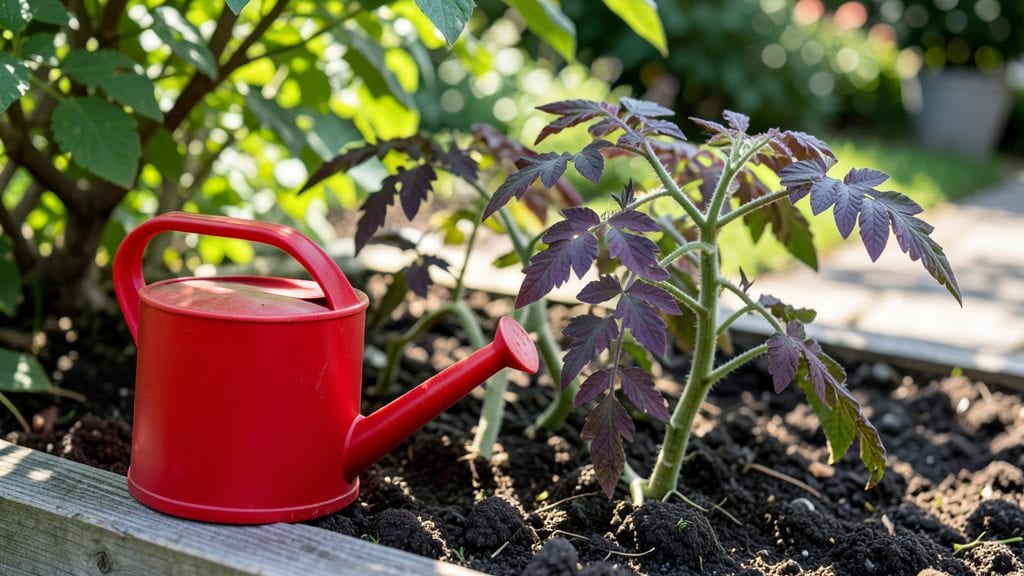
If your tomato seedling’s leaves turn purple instead of green, it’s not just a color problem—it’s your plant screaming for help. 🌱 I’ve seen this happen after just two weeks of growth, and the good news is it’s almost always fixable with the right approach.
The purple comes from stress, whether it’s nutrient starvation, watering gone wrong, or even light issues you might be overlooking.
The most common culprits are phosphorus or potassium deficiencies, which show up as purple stems and leaves when seedlings can’t get what they need from the soil.
Overwatering or poor drainage can also trigger this stress response, while underlight conditions make seedlings stretch and turn purple as they desperately reach for more light.
The fix starts with checking your soil pH and nutrient levels—most seed-starting mixes need a boost of balanced fertilizer after the first true leaves appear.
Within a week of adjusting watering, adding phosphorus-rich amendments like bone meal, and moving seedlings to brighter light, you’ll see those purple hues fade to healthy green. The key is acting fast—once the damage spreads to the entire plant, recovery takes longer.
Think of it like giving your seedlings a nutrient IV drip, but with soil and sunlight instead of tubes.
This works for all tomato varieties, from heirlooms to hybrids, and the same principles apply whether you’re growing on a windowsill or under grow lights. The only time to worry is if the purple appears alongside black spots or wilting—then it might be a fungal issue requiring different treatment.
Let’s get those seedlings back on track!
Understanding The Root Causes
Tomato seedlings with purple-tinged leaves can be a gardener’s puzzling mystery—especially when you’ve given them love, light, and water. But don’t panic! Purple leaves usually signal one of a few key issues, each with a clear scientific explanation.
Let’s break down the most common culprits and why they turn your seedlings’ foliage into a shade of violet.
When your tomato seedlings show purple leaves, phosphorus overload is often the first suspect. Phosphorus is a vital nutrient for root development and flowering, but too much can disrupt chlorophyll production, leading to those telltale purple hues.
How it happens:
- Excessive fertilizer: Using high-phosphorus fertilizers (like bone meal or superphosphate) without balancing other nutrients can throw your seedlings off-kilter. Phosphorus competes with magnesium and zinc, essential minerals for chlorophyll synthesis.
- Poor soil testing: If your soil already has ample phosphorus (common in many garden soils), adding more fertilizer exacerbates the issue.
- Acidic soil conditions: High phosphorus availability spikes in acidic soils (pH below 6.0), making it harder for seedlings to absorb other critical nutrients like nitrogen and potassium.
Actionable fix: Test your soil’s phosphorus levels (aim for 30–100 ppm for optimal tomato growth). If phosphorus is high, flush the soil with water to dilute excess nutrients or amend with compost to improve nutrient balance.
Purple leaves can also scream for nitrogen, the building block of chlorophyll. Without enough nitrogen, seedlings struggle to produce the green pigment they need, leading to purplish or reddish hues—especially on younger leaves.
How it happens:
- Poor soil quality: Nitrogen leaches quickly from sandy or well-drained soils, leaving seedlings starved.
- Overwatering: Excess water washes away nitrogen before roots can absorb it.
- Imbalanced fertilizers: Using slow-release fertilizers with low nitrogen content (e.g., high in potassium or phosphorus) can create a deficiency.
Actionable fix: Apply a balanced fertilizer (like 10-10-10) or organic amendments such as alfalfa meal or fish emulsion to boost nitrogen. For seedlings, a light dose of liquid nitrogen fertilizer (diluted to half-strength) can provide an immediate boost.
Tomato seedlings are sensitive to temperature swings, and extreme cold or heat can trigger anthocyanin production—a natural plant pigment that gives leaves a purple tint as a protective response.
How it happens:
- Cold stress: Nighttime temperatures below 50°F (10°C) can cause purple leaves, especially in young seedlings. Cold slows nutrient uptake and disrupts chlorophyll synthesis.
- Heat stress: While less common, temperatures above 90°F (32°C) can also stress seedlings, leading to purpling as a survival mechanism.
- Drafty environments: Seedlings near windows, doors, or vents may experience sudden temperature drops, triggering stress responses.
Actionable fix:
- Keep seedlings warm: Use a seedling heat mat (70–75°F / 21–24°C) or move them to a sunny windowsill (but avoid direct afternoon sun).
- Protect from drafts: Avoid placing seedlings near air conditioning vents or open windows.
- Use row covers: If nighttime temps dip, a lightweight frost blanket can provide insulation.
Purple leaves can also indicate a deficiency in magnesium or calcium, two minerals critical for chlorophyll and cell structure. When these nutrients are lacking, seedlings may develop interveinal purpling (purple between leaf veins).
How it happens:
- Magnesium deficiency: Often seen in older leaves first, as magnesium is mobile in the plant. Purple patches between veins are a classic sign.
- Calcium deficiency: More common in young leaves, causing stunted growth and purplish edges. This often occurs in alkaline soils (pH above 7.0) or when seedlings are overwatered.
- Competition with potassium: High potassium levels can block magnesium absorption, leading to purpling.
Actionable fix:
- For magnesium: Apply Epsom salt (magnesium sulfate) at 1 tablespoon per gallon of water, sprayed on leaves or watered into the soil.
- For calcium: Use crushed eggshells, lime, or a calcium nitrate solution (1 teaspoon per gallon of water) to amend the soil.
- Test soil pH: Aim for a slightly acidic to neutral range (6.0–6.8) for optimal nutrient uptake.
Insufficient light forces seedlings to stretch and struggle, sometimes resulting in purplish leaves as they prioritize survival over chlorophyll production.
How it happens:
- Weak light source: Seedlings need 12–16 hours of light daily. Natural sunlight or grow lights must be strong enough to prevent etiolation (weak, leggy growth).
- Overcrowding: Seedlings competing for light may develop purple hues as a stress response.
- Incorrect grow light placement: If lights are too far away (over 12–18 inches), seedlings won’t get enough intensity.
Actionable fix:
- Supplement with grow lights: Use full-spectrum LED or fluorescent lights (12–16 hours/day) if natural light is insufficient.
- Thin seedlings: Ensure each plant has at least 2–3 inches of space to avoid competition.
- Adjust light distance: Keep lights 2–4 inches above seedlings for optimal growth.
While less common, certain fungal diseases (like early blight) or pests (such as spider mites) can cause stress that manifests as purpling. Check for other symptoms like:
- Yellowing leaves (nutrient theft by pests)
- Spots or lesions (fungal infection)
- Stunted growth (root damage from pests)
Actionable fix:
- Inspect leaves for pests (use a magnifying glass if needed).
- Apply neem oil or insecticidal soap for soft-bodied pests.
- Remove infected plants and treat with copper fungicide if disease is suspected.
Pro Tip: 💡 Keep a garden journal! Track when purpling appears, fertilizer applications, and environmental changes. This helps pinpoint the exact cause faster next time.
Fix Purple Leaves Fast
Purple-tinged leaves on your tomato seedlings can be alarming, but the good news is most causes have simple fixes—often with just a few tweaks to care or environment.
Below, we’ve mapped the most common culprits to actionable solutions, plus pro tips to keep your plants thriving. Grab your gloves and let’s get growing!
Signs: Wilting, purple stems, or leaves that feel soggy to the touch.
How to Fix It:
- 🔥 Pause Watering Immediately Let the top 1–2 inches of soil dry out before watering again. Stick your finger in the soil—if it’s damp past your first knuckle, wait.
- 🍳 Improve Soil Drainage Mix in perlite, vermiculite, or coarse sand (1 part to 3 parts potting mix) to aerate the soil. For seedlings, a 50/50 blend of potting mix and perlite works wonders.
- 👨🍳 Repot if Needed If roots are circling or the pot has no drainage holes, transfer your seedling to a smaller pot with drainage (like a 4-inch nursery pot). Avoid saucers that trap water.
- ⏰ Watering Schedule Reset Water only when the top inch of soil is dry, and use a spray bottle for seedlings to avoid oversaturating roots.
💡 Prevention Tip: Use terracotta pots—they wick away moisture faster than plastic. And always check the weather: water less on rainy days!
Signs: Purple veins or stems, stunted growth, or leaves that feel thin.
How to Fix It:
- 📊 Feed with the Right Fertilizer
- Phosphorus deficiency? Use a balanced fertilizer (10-10-10 or 5-10-5) or a phosphorus-rich supplement like bone meal (follow package rates).
- Nitrogen deficiency? Switch to a high-nitrogen fertilizer (e.g., 20-5-5) or add compost tea for a gentle boost.
- 🥗 Soil Test First Grab a DIY soil test kit (or send a sample to your local extension office) to confirm deficiencies before guessing.
- 🌡️ Warm Up the Soil Cool soil locks out nutrients. If temps are below 60°F (15°C), use a heat mat or move pots to a warmer spot (like a sunny windowsill).
🔥 Pro Tip: For seedlings, dilute fish emulsion (1 tsp/gallon) every 2 weeks for a nitrogen kickstart—it’s gentle and packed with micronutrients!
Signs: Purple discoloration on new leaves, slow growth, or leaves curling.
How to Fix It:
- 🌡️ Ideal Temp Range: 70–85°F (21–29°C)
- Too cold? Move seedlings to a sunny windowsill or under grow lights (keep them 2–3 inches above the plants).
- Too hot? Shield from direct afternoon sun with shade cloth (30–50%) or a white umbrella.
- 💨 Improve Airflow Place a small fan (on low) 1–2 feet away to mimic wind and prevent heat buildup. This also strengthens stems and reduces disease risk.
- ✨ Nighttime Protection If temps drop below 50°F (10°C), cover seedlings with frost cloth or a clear plastic dome (remove during the day).
🎯 Prevention Tip: Avoid placing seedlings near heat sources (radiators, ovens) or in drafty spots. Consistency is key!
Signs: Purple-brown spots with yellow halos, mushy stems, or mold on soil.
How to Fix It:
- 🔪 Prune Affected Leaves Snip off purple-spotted leaves with sterilized scissors (wipe with rubbing alcohol between cuts). Don’t compost infected plant debris—toss it in the trash.
- 🍳 Fungicide Spray
- Prevention: Spray seedlings with a baking soda solution (1 tsp baking soda + 1 quart water + a drop of dish soap) once a week.
- Treatment: Use a copper fungicide (like Bordeaux mixture) or neem oil (1 tbsp per gallon of water, spray every 7–10 days).
- 🌡️ Adjust Watering Habits Water at the base (not overhead) and early in the day so leaves dry quickly. Use a watering can with a narrow spout to avoid splashing soil.
💡 Prevention Tip: Sterilize pots and tools with 1 part bleach to 9 parts water before reuse. Rotate seedlings weekly to ensure even sunlight exposure (prevents weak, disease-prone growth).
Signs: Purple leaves after repotting, wilting, or slow recovery.
How to Fix It:
- 🌱 Give It Time Purple leaves from transplant shock often fade in 3–7 days. Keep conditions stable (same light, water, and temp).
- 🍳 Root Check (If Severe) Gently remove the seedling from its pot and rinse the roots. If roots are black/mushy, trim the damaged parts with sterilized scissors and repot in fresh soil.
- 💨 Support Recovery
- Mist leaves lightly 2x/day for humidity.
- Avoid fertilizing for 1–2 weeks (roots need to heal first).
- Use a rooting hormone (like mycorrhizal powder) if replanting.
✨ Pro Tip: When transplanting, water the seedling 1 day before moving to reduce stress. And harden off seedlings gradually if moving from indoors to outdoors!
Final Reminder: Most purple leaves clear up within a week of adjusting care. Keep a plant journal to track what works—note watering, fertilizer, and temp changes for future reference! 🌱💜
Frequently asked questions about tomato seedling purple leaves
Why do my tomato seedlings get purple leaves instead of green?
Purple leaves usually signal stress from nutrient imbalances, temperature swings, or light issues. The most common causes are phosphorus overload (too much fertilizer), nitrogen deficiency (starvation), or cold stress below 50°F (10°C). Seedlings may also turn purple if they're not getting enough light or if soil pH is off, blocking nutrient uptake.
Can I still save my tomato plant if the leaves are purple?
Yes! Most cases are reversible with quick fixes. Adjust watering, add balanced fertilizer (10-10-10), and move seedlings to warmer, brighter conditions. Within 3-7 days, purple should fade to healthy green as you address the root cause. If leaves are also spotted or mushy, check for disease and treat accordingly.
Is phosphorus the only nutrient that causes purple leaves?
No—purple leaves can also indicate deficiencies in nitrogen, magnesium, or calcium. For example, nitrogen deficiency causes purpling on younger leaves, while magnesium deficiency shows as purple patches between veins on older leaves. Always test your soil first to diagnose accurately before adding amendments.
How do I tell if my seedlings need more light or fertilizer?
Check the stems first: leggy, stretched seedlings need more light, while thick, sturdy stems with purple leaves likely need fertilizer. If leaves are small and dark purple, it's probably nitrogen. For light issues, move seedlings within 2-4 inches of grow lights or to a sunnier windowsill.
Will purple leaves harm my tomato plant's fruit production?
Not necessarily if addressed quickly! While purple leaves indicate stress, the plant can recover fully. However, if left untreated, severe deficiencies or disease can weaken the plant enough to reduce yield or quality. Act fast—healthy leaves mean better fruit development down the line.