Planting
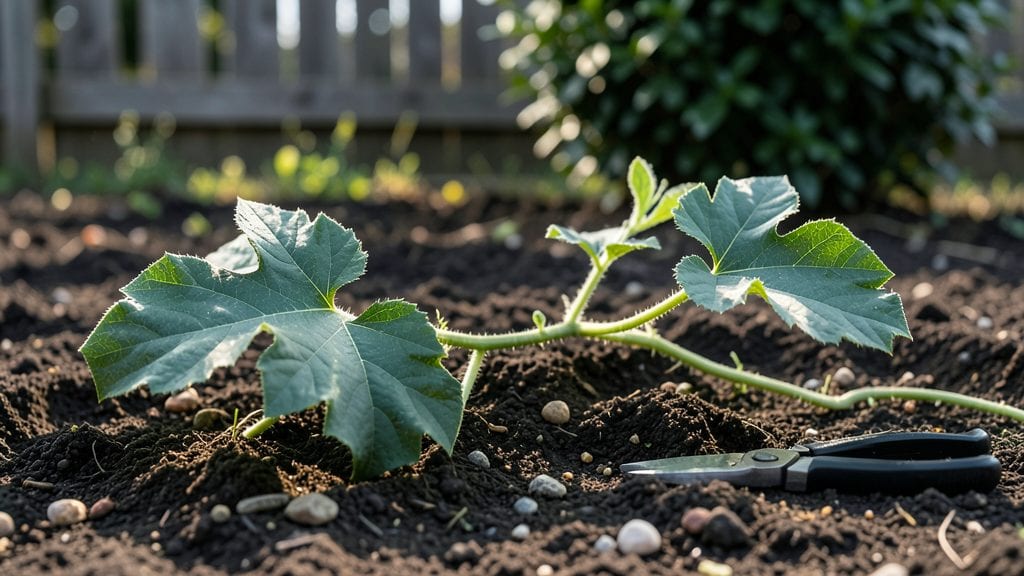
A thriving watermelon plant seedling begins with a warm, damp seedling mix and patience—because those first sprouts can appear in just 3-5 days if you nail the conditions. I’ve watched tiny green hooks break through soil in my basement grow room, and the excitement never gets old.
The secret isn’t fancy equipment; it’s keeping the soil between 80-90°F and the tray covered until you see those first leaves. Too cold, and you’ll wait weeks. Too hot, and the seeds rot before they sprout.
You’ll need a shallow tray, sterile seed-starting mix, and a heat mat if your home runs cool—no need for expensive setups. Plant seeds ½ inch deep, just enough to cover them lightly, and keep the soil consistently moist but never soggy.
A spray bottle works best for watering, so you don’t disturb the seeds. Once they sprout, move them to a sunny windowsill or under a grow light for 12-14 hours a day—weak, leggy seedlings are a sign they’re stretching for light.
By the time you’re ready to transplant, your seedlings should be 3-4 inches tall with 2-3 true leaves, sturdy enough to handle outdoor conditions. The first few weeks after transplanting are critical—watch for damping-off, a fungal disease that turns seedlings to mush overnight.
Space them 12-18 inches apart in warm soil, and use row covers if nighttime temps dip below 55°F. With the right start, those vines will explode into growth by summer.
This method works for slicing, seedless, or heirloom varieties—just adjust your planting timeline based on your last frost date. The payoff? Bursting vines, sweet fruit, and the satisfaction of growing something most people buy pre-cut at the store. Let’s get those seeds sprouting fast.
📚 In This Guide
- What you need
- Instructions
- Tips and common mistakes
- Wrapping up and next steps
What you need
- ● Watermelon seeds: 3–5 seeds per pot or 10–15 seeds for direct sowing (choose heirloom or hybrid varieties like Sugar Baby or Crimson Sweet for fast germination).
- ● Seed-starting soil: 1–2 bags (2–3 cubic feet) of sterile, seed-starting mix (avoid garden soil—it’s too dense!).
- ● Seedling trays or pots: 4–6 biodegradable or plastic cell trays (2–3 inches deep) or 6–pack cell packs.
- ● Grow lights or sunny windowsill: A 4–6 ft LED grow light or a south-facing window with 6+ hours of sunlight daily.
- ● Watering can or spray bottle: With a fine mist nozzle for gentle hydration.
- ● Plant labels: 10–15 labels (wooden or plastic) to track varieties.
- ● Gloves: A pair to protect hands from soil and thorns (watermelon seedlings can be prickly!).
- ● Trowel or small shovel: For transplanting seedlings later.
- ● Fertilizer: Balanced liquid fertilizer (5-5-5 or 10-10-10) or compost tea for early growth.
- ○ Plastic wrap or humidity dome: Optional but helpful for retaining moisture during germination.
- ○ Heat mat (optional): A seedling heat mat (70–80°F range) to speed up germination in cooler climates.
- ● Warmth: Ideal germination temps: 70–90°F. Avoid planting until soil temps reach 60°F+.
- ● Patience: Germination takes 5–10 days (some varieties may take longer).
- ● Space: Watermelons need 3–4 feet of vertical space and 6+ feet of row space when mature.
Step-by-Step instructions for planting watermelon seedlings
Here's how to get those first true leaves popping through the soil in record time.
Prepare the Soil for Optimal Germination
Watermelon seeds need warm, well-draining soil to sprout quickly. Mix the 3 gallons of potting mix with 1 cup of compost to create a loose, nutrient-rich foundation. Avoid garden soil—it compacts easily and can harbor diseases that stunt young seedlings. Spread the mixture evenly in your 4-inch seedling trays, filling them to within ½ inch of the rim.
Use your fingers to gently break up any clumps, then press the soil surface lightly to create a firm base. This prevents seeds from sinking too deep during watering. The ideal soil temperature for germination is 85-90°F—use a seedling heat mat if your environment runs cooler. Place the trays in a warm, sheltered spot out of direct sunlight until ready to plant.
Plant Seeds at the Correct Depth and Spacing
Sow 2 seeds per cell in the tray, placing them ½ inch deep—any deeper and they’ll struggle to reach the surface. I like to use a toothpick to make small holes before dropping the seeds in, ensuring consistent depth. Space the trays at least 12 inches apart if planting directly in the ground later, as watermelons need room to sprawl.
Cover the seeds lightly with additional soil, then mist the surface with a spray bottle until evenly damp. Avoid soaking the soil—watermelon seeds rot quickly in soggy conditions. Label each tray with the planting date and variety to track growth progress. You’ll see the first sprouts in 5-7 days if conditions are ideal.
Provide Warmth and Moisture for Fast Germination
Watermelon seeds germinate fastest when kept consistently warm and moist. Place the trays under a grow light or in a sunny window, but avoid direct sunlight until sprouts appear—it can dry out the soil too quickly. Cover the trays with a clear plastic dome to retain humidity and warmth, checking daily for condensation.
Water gently from the bottom by placing the trays in 1 inch of warm water for 10 minutes every 2-3 days. This method prevents soil disturbance and ensures even moisture. Remove the dome as soon as 50% of seeds sprout to reduce the risk of fungal growth. Leggy seedlings signal insufficient light—adjust the grow light to 2-3 inches above the plants immediately.
Harden Off Seedlings Before Transplanting
Once seedlings develop 2-3 true leaves, begin hardening them off by moving them outdoors for 1-2 hours daily in a shaded area. Gradually increase exposure over 7-10 days, letting them adjust to wind and sun. Watermelons are sensitive to temperature swings—avoid transplanting when nighttime temps drop below 55°F.
Choose a cloudy day for transplanting to minimize stress. Dig holes twice as wide as the root ball and space plants 3-4 feet apart in rows 6 feet apart to accommodate sprawling vines. Bury seedlings slightly deeper than their original depth to stabilize them. Water deeply at the base to settle the soil and encourage root growth.
Tips & tricks for fast-germination watermelon seedlings
Here's how to accelerate those first true leaves and give your watermelon seedlings the best possible start.
Soil Temperature Secret: While the instructions call for 85-90°F soil, I've found that using a seedling heat mat set to maintain 88-90°F consistently cuts germination time by nearly 24 hours. Place the heat mat under your 4-inch seedling trays before planting to create that ideal environment. You'll notice sprouts appearing in just 3-4 days rather than the standard 5-7 days when conditions are perfect.
Precision Planting Technique: The ½-inch depth mentioned in Step 2 is critical—any deeper and seedlings may struggle to emerge. For even more precise planting, use a toothpick to create holes exactly ½-inch deep in each cell. This ensures uniform depth across all seeds, which prevents uneven germination. I also recommend gently pressing the soil around each seed to eliminate air pockets that could inhibit root contact.
Moisture Management: When watering from the bottom for 10 minutes every 2-3 days, use lukewarm water rather than cold. Cold water can shock the seeds and slow germination. The bottom-watering method you're using is perfect because it prevents soil disturbance that could displace seeds or damage emerging sprouts. Just be sure to empty any excess water from the tray after 10 minutes to prevent root rot.
Light Adjustment: The 2-3 inch distance from grow lights mentioned for leggy seedlings is a great starting point, but you can fine-tune it based on your seedlings' response. If you notice seedlings stretching toward the light (a sign of insufficient intensity), lower the lights to 1-2 inches for 2-3 days, then return to 2-3 inches. This temporary adjustment gives them the boost they need without burning delicate leaves.
Pro Tips for Watermelon Plant Seedling
- Here's how to accelerate those first true leaves and give your watermelon seedlings the best possible start.
- Soil Temperature Secret: While the instructions call for 85-90°F soil, I've found that using a seedling heat mat set to maintain 88-90°F consistently cuts germination time by nearly 24 hours.
- Precision Planting Technique: The ½-inch depth mentioned in Step 2 is critical—any deeper and seedlings may struggle to emerge.
Frequently asked questions
Got questions about growing watermelon seedlings? You’re not alone!
Here are answers to the most common concerns—from germination to troubleshooting—so you can start your vines off right.
How long does it take for watermelon seeds to germinate?
Watermelon seeds typically sprout in 5–10 days if planted in warm soil (70°F+). Keep the soil moist but not soggy, and place seeds ½-inch deep for best results. If germination takes longer than 2 weeks, check soil temperature or seed viability.
Can I plant watermelon seeds directly outside, or should I start indoors?
Direct sowing is fine in warm climates (after last frost when soil is 70°F+), but seedlings struggle in cool weather. For cooler regions, start indoors 2–3 weeks before transplanting—just harden them off gradually to avoid shock.
Why are my watermelon seedlings turning yellow or wilting?
Yellow leaves often signal overwatering, poor drainage, or nutrient deficiency. Check soil moisture (it should dry slightly between waterings) and ensure pots have drainage holes. Wilting can also mean underwatering or heat stress—provide shade if temps exceed 90°F.
Do watermelon seedlings need fertilizer right away?
Hold off on heavy fertilizer until seedlings have 2–3 true leaves. Use a balanced, water-soluble fertilizer (10-10-10) at half-strength to avoid burning tender roots. Once transplanted, switch to a low-nitrogen, high-potassium blend to boost fruit production.
What can I do if my watermelon seedlings are leggy or weak?
Leggy seedlings mean they’re stretching for light. Move them to a sunnier spot (6+ hours of light/day) or use a grow light. If already planted, bury stems deeper to encourage root growth. Avoid overcrowding—thin seedlings to 12–18 inches apart for strong vines.
Wrapping up and next steps
Growing a thriving watermelon plant from a seedling is all about patience, the right conditions, and a little love! With the perfect mix of warmth, moisture, and sunlight, your little vines will soon transform into a bountiful harvest. 🌱
Now that you’re armed with the best tips, it’s time to roll up your sleeves and get planting! Start with healthy seedlings, monitor their progress, and soon you’ll be enjoying sweet, juicy watermelons. Happy growing!