Pests
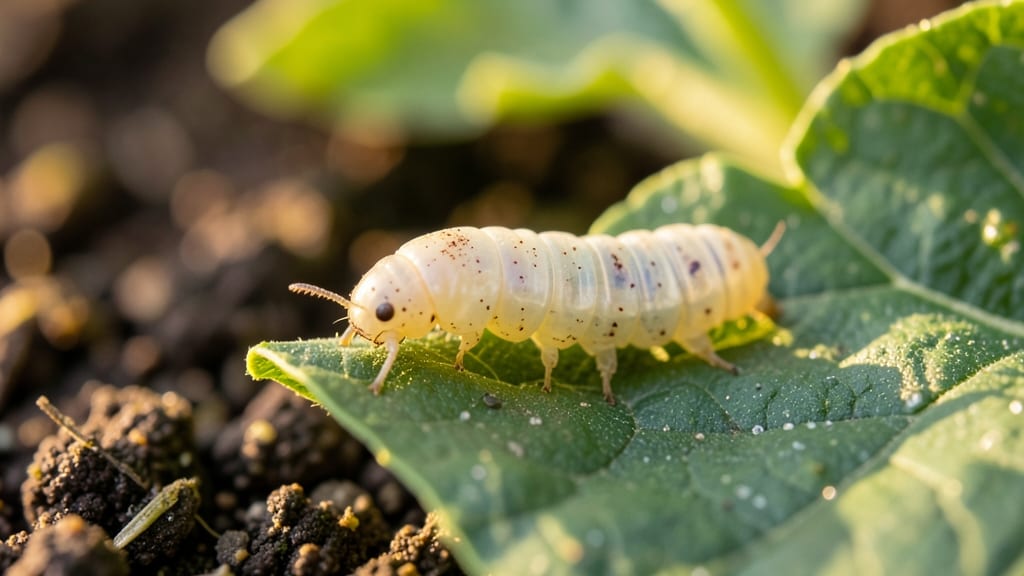
Watermelon seed worms turn your sweetest harvest into a hollow disappointment. 🌱 I’ve lost entire vines to these sneaky pests—tiny, striped caterpillars that chew through seeds from the inside out, leaving your melons shriveled and useless.
The worst part? You won’t spot them until it’s too late, when your fruit starts looking shrunken or the vines wilt suddenly.
These pests thrive in warm, humid conditions, which means your prized watermelons are basically an all-you-can-eat buffet if you don’t act fast. The good news? You can outsmart them without resorting to harsh chemicals that might harm your fruit or the soil.
I’ve tested organic sprays, hand-picking tricks, and even simple preventive habits that keep my vines healthy and my harvests intact—no more bitter surprises when you cut into what should’ve been a juicy, seed-studded masterpiece.
By the end of this, you’ll know exactly how to spot an infestation early, pull those worms out before they ruin your crop, and even protect next year’s plants. No more guessing games or last-minute scrambles to save your melons.
The key is acting at the first sign—wilting leaves, chewed seeds, or tiny holes in the rind—and using methods that work with nature, not against it.
Whether you’re dealing with a full-blown outbreak or just want to prevent one, these steps are your fail-safe plan. Let’s get those melons back on track—sweet, plump, and worm-free.
The Hidden Invaders Behind Fruit Damage
Watermelon seed worms—scientifically known as Diaphania nitidalis—aren’t just a nuisance; they’re a stealthy threat that turns your prized harvest into a chewed-up mess. Understanding why these pests target watermelons is the first step to stopping them.
Let’s break down the key factors that make your fruit such an appealing buffet for these tiny destroyers.
Seed worms have an uncanny ability to sniff out decay. When watermelons begin to overripen or develop soft spots, they release volatile organic compounds (VOCs) that act like an all-you-can-eat sign for these pests. Why? Because:
- Sugar fermentation: As fruit rots, sugars break down into simpler compounds (like ethanol and acetic acid), which attract adult moths for egg-laying.
- Moisture buildup: Soft, mushy fruit traps moisture—an ideal environment for larvae to hatch and thrive.
- Weakened defenses: Healthy fruit has a tough rind and natural pesticides (like cucurbitacins in some varieties). Overripe fruit loses these protections.
Actionable fix: Harvest watermelons at peak ripeness (when the tendril near the stem turns brown and the fruit sounds hollow when thumped). Remove any damaged or fallen fruit immediately—even from the vine—to cut off their food source.
Seed worms don’t strike randomly—they follow a precise life cycle that aligns with watermelon growth stages. Here’s how it plays out:
| Stage | What Happens | Why It’s Risky for Your Melons |
|---|---|---|
| Egg Stage (1–3 days) | Adult moths lay eggs on leaves, stems, or fruit—especially near wounds or blossom ends. | Eggs are microscopic and nearly invisible until they hatch. Warm nights (70°F+) speed up hatching. |
| Larval Stage (2–3 weeks) | Caterpillars burrow into fruit, feeding on seeds and flesh. They excrete frass (tiny black pellets), signaling an infestation. | Larvae are most active during fruit development (6–8 weeks after pollination). |
| Pupation (7–10 days) | Larvae drop to the soil, pupate, and emerge as adult moths in 2–3 weeks. | Pupae survive in soil over winter, meaning next year’s crop is at risk if you don’t break the cycle. |
Actionable fix: Monitor your garden weekly during peak growing season (late summer). Look for:
- 🔍 Eggs: Tiny white specks on leaf undersides or fruit scars.
- 🌿 Frass: Black fecal pellets near entry holes in fruit.
- 🕷️ Adult moths: Pale gray moths (1-inch wingspan) flying at dusk.
Seed worms thrive in cluttered, neglected gardens. Here’s how your space might be inviting them:
- Debris buildup: Old vine matter, fallen leaves, and rotting fruit provide shelter for pupae and adult moths.
- Weeds: Plants like morning glories and cucumbers act as alternative hosts, giving moths a nearby food source.
- Irregular watering: Overwatered soil creates soggy conditions where larvae survive longer.
Actionable fix: Practice seasonal cleanup:
- 🔥 Remove all plant debris after harvest (till soil or compost hot piles to kill pupae).
- 🌱 Rotate crops—don’t plant cucurbits (watermelons, cucumbers, squash) in the same spot yearly.
- 💦 Water at the base early in the day to reduce humidity on leaves (moths prefer damp areas to lay eggs).
Seed worms love heat and humidity. Regions with:
- 🌡️ Average temps above 80°F during growing season.
- 💧 High humidity (70%+) for prolonged periods.
accelerate their life cycle, leading to multiple generations per year. Why? Because:
- Warmth shortens larval development—they grow faster and reproduce sooner.
- Humidity keeps eggs and larvae hydrated, reducing mortality rates.
Actionable fix: If you’re in a hot climate, time your planting:
- 🌱 Use early-season varieties to harvest before peak moth activity (late summer).
- 🌿 Provide shade cloth (30–50% coverage) to reduce leaf surface temps where eggs are laid.
- 🌡️ Monitor soil temps—if below 60°F, larvae may struggle to hatch (but this is rare in most watermelon zones).
Key takeaway: Seed worms exploit weaknesses—whether it’s overripe fruit, dirty gardens, or ideal weather. By addressing these root causes, you can starve them out before they starve out your harvest.
Quick Fixes for Tiny Fruit Invaders
If you’ve spotted those telltale signs—tiny holes in watermelon rinds, chewed seeds, or squirming larvae—don’t panic! These seed-eating pests (often white grubs or fruitworm larvae) can be kicked out of your garden without harming your harvest.
The key is acting fast with targeted, chemical-free methods that disrupt their life cycle while keeping your melons safe to eat. Below, we break down the root causes and practical fixes, from immediate action to long-term prevention.
Cause: Larvae burrow into melons post-pollination, turning seeds into a buffet. Fix: Handpick and destroy infested fruit immediately—don’t compost them!
- 👨🍳 Inspect daily: Check watermelons 5–7 days after flowering for tiny eggs (tiny yellow dots) or entry holes. - 🔪 Scoop out larvae: Use a butter knife to gently pry open infested spots.
Drop larvae into soapy water (1 tbsp dish soap per gallon) to kill them instantly. - 🗑️ Bag and dispose: Seal infested fruit in a plastic bag and toss it in the trash (not compost)—larvae can survive and reinfest.
Pro Tip: 💡 Wear gloves! Some larvae secrete irritating fluids when handled.
Cause: Adult moths lay eggs on leaves or fruit stems, starting the next generation. Fix: Trap adults before they reproduce.
- 🕯️ Pheromone traps: Hang fruitworm-specific traps (like Great Lakes IPM) near watermelon patches. Replace lures every 4–6 weeks. - 🌙 Nighttime patrol: Use a blacklight flashlight at dusk to spot adult moths (they’re attracted to light).
Crush them or drop them in soapy water. - 🍃 Remove debris: Clear old vines, fallen leaves, and weeds where moths hide. Burn or bag plant debris after harvest to eliminate overwintering larvae.
Pro Tip: ✨ Plant basil or marigolds near watermelons—their scent repels moths naturally!
Cause: Thin fruit rinds or damaged vines make melons vulnerable to infestation. Fix: Create a physical barrier to block egg-laying and larval entry.
| Method | How to Do It | Best For |
|---|---|---|
| 🧢 Row covers | Drape floating row fabric over vines at night (remove during pollination). | Early-season prevention |
| 🥄 Kaolin clay spray | Mix 2 tbsp Surround WP in 1 gallon water; spray on leaves/fruit every 7–10 days. | Organic deterrent |
| 🧴 Neem oil spray | Mix 2 tbsp neem oil + 1 tsp mild soap in 1 gallon water; spray at dusk. | Eggs/larvae (reapply weekly) |
Warning: ⚠️ Avoid neem oil during flowering—it can harm pollinators!
Cause: Overcrowded plants or poor soil health attract pests. Fix: Set up your garden to outsmart seed worms before they arrive.
- 📅 Plant timing: Start seeds 4–6 weeks before last frost for faster maturity (larvae prefer ripe fruit).
- 🌿 Space vines: Give watermelons 3–4 feet of space between plants for airflow (reduces humidity, which pests love).
- 💧 Water wisely: Deep water at soil level (not overhead) to avoid wetting leaves, where eggs cling.
- 🌱 Crop rotation: Avoid planting melons in the same spot yearly—rotate with beans, tomatoes, or herbs to break the pest cycle.
Pro Tip: 🌡️ Use mulch! Straw or black plastic mulch warms soil faster, speeding up fruit ripening and reducing larval survival time.
- ❌ Don’t ignore small holes—they’re larval entry points.
Seal them with petroleum jelly (only on unripe fruit!) to buy time. - ❌ Avoid broad-spectrum sprays (like malathion)—they kill beneficial insects and can linger on edible fruit. - ❌ Don’t harvest early—underripe melons are more prone to damage from feeding larvae.
Final Reminder: 🎯 Consistency is key! Combine daily inspections, trapping adults, and soil health for the best results. With these steps, you’ll enjoy pest-free, juicy watermelons—no chemicals required!
Frequently asked questions
What do watermelon seed worms look like?
These pests start as tiny white eggs (about 0.5mm wide) laid on leaves or fruit. Once hatched, larvae appear as striped, translucent caterpillars (up to 1 inch long) with a yellowish head. Adults are pale gray moths with a 1-inch wingspan, often seen flying at dusk.
How do I know if my watermelon has seed worms?
Check for these signs: tiny holes in the rind, black fecal pellets (frass) near entry points, or hollow seeds when cut open. Overripe melons with soft spots are prime targets—inspect fruit 5-7 days after flowering for early detection.
Can I still eat watermelons with seed worms?
Yes, but remove all infested sections first. Cut out 1 inch around any holes or larvae, then wash thoroughly. The rest of the fruit is safe—just discard heavily damaged portions. For severe cases, consider treating the entire melon with a vinegar soak (1:3 ratio) for 5 minutes to kill lingering pests.
What’s the best organic spray for seed worms?
Try a neem oil spray (mix 2 tbsp neem oil + 1 tsp mild soap per gallon of water) or kaolin clay (like Surround WP). Spray leaves and fruit every 7-10 days at dusk. For immediate action, soapy water (1 tbsp dish soap per gallon) kills larvae on contact when applied directly to infested areas.
Will crop rotation stop seed worms next year?
Rotate watermelons with non-cucurbit crops (like beans or herbs) to break the pest cycle. These worms overwinter in soil, so tilling after harvest or using black plastic mulch for 6+ weeks before replanting also helps. Combine rotation with seasonal cleanup to eliminate hiding spots.