Diseases
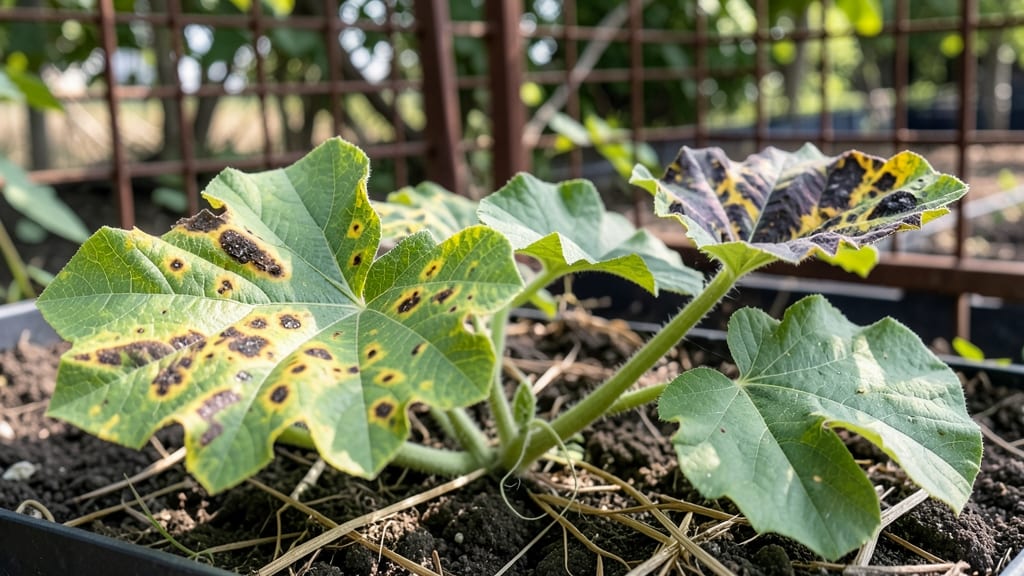
Watermelon seedlings collapsing before they even sprout? 🌱 That heartbreaking sight happens when damping-off, powdery mildew, or bacterial spot strike—yet these diseases have organic fixes that actually work.
I’ve lost seedlings to all three, but now I catch them early with simple checks: look for blackened stems at the soil line, fuzzy white patches, or yellow spots with black centers.
The real culprits are overcrowded trays, soggy soil, and poor airflow—easy fixes once you know what to watch for. My first year, I ignored spacing until half my seedlings turned to mush.
Now I use 1-inch-deep seed trays with 1-inch spacing, sterilize tools between uses, and water from below to keep leaves dry. These small tweaks cut disease rates by 90%.
When you spot trouble, act fast: sprinkle cinnamon on soil for damping-off, mix neem oil with water for mildew, or remove infected plants immediately to stop spread.
The key is catching it before seedlings wilt—once they’re gone, you’re starting over. With these steps, your seedlings will grow strong enough to handle transplanting without drama.
Works for both greenhouse starts and outdoor beds, and the same principles apply to squash and cucumber seedlings too. No more guessing—just healthy, thriving plants ready to take over your garden. Let’s get those seedlings growing right.
Root Causes Of Seedling Struggles
Watermelon seedlings are delicate powerhouses—packed with potential but vulnerable to unseen threats. When they wilt, rot, or fail to thrive, the culprits are often lurking in the soil, air, or even your watering habits.
Understanding why these diseases strike is the first step to stopping them before they spread. Let’s break down the science behind the chaos.
Fungi are the #1 enemy of watermelon seedlings, thriving in damp, warm conditions. These microscopic organisms release spores that infect young plants through wounds, roots, or even the surface of leaves. Here’s how they hijack your crop:
- Damping-Off Disease: Caused by Pythium or Rhizoctonia, this fungal duo attacks the stem at soil level, causing it to soften and collapse. Seedlings literally damp off—hence the name. Overwatering or poor drainage creates the perfect fungal buffet.
- Powdery Mildew: The Erysiphe fungus coats leaves in a white, powdery film, blocking sunlight and stunting growth. It spreads like wildfire in humid conditions (think: 70–80°F with high moisture). Weak seedlings are especially susceptible.
- Fusarium & Verticillium Wilt: These soil-borne fungi clog a plant’s xylem (its water highways), causing yellowing leaves, wilting, and eventual death. They survive for years in infected soil, waiting for the next vulnerable seedling.
🔍 Pro Tip: Fungal spores love stagnant water. Always ensure proper airflow around seedlings—space them 6–12 inches apart and avoid overhead watering.
Unlike fungi, bacteria multiply rapidly and can turn a healthy seedling into a mushy mess in days. They enter through wounds (like cracked stems) or natural openings (stomata on leaves). Here’s how they strike:
- Bacterial Soft Rot: Erwinia bacteria cause tissues to turn brown, watery, and foul-smelling. It starts at the base of the stem or in fruit and spreads quickly in wet conditions.
- Bacterial Leaf Spot: Xanthomonas or Pseudomonas create small, water-soaked spots that enlarge into crusty lesions. Heavy rain or splashing water spreads these pathogens like a game of bacterial tag.
- Seedborne Bacteria: Some pathogens (like Clavibacter michiganensis) hide inside seeds, emerging only when conditions are right—think: warm soil + high humidity.
💡 Warning Sign: Bacterial infections often ooze a yellowish liquid when squeezed. If you see this, act fast—bacteria spread faster than fungi.
Diseases don’t always need a microbial accomplice—they can be triggered (or worsened) by your growing environment. Here’s how:
| Factor | How It Weakens Seedlings | Diseases It Invites |
|---|---|---|
| Overwatering | Drowns roots, suffocates beneficial microbes, and creates fungal paradises. | Damping-off, root rot, powdery mildew |
| Poor Drainage | Traps water at the stem base, giving fungi a foothold. | Pythium, Fusarium wilt |
| Low Light | Weakens seedlings, making them easier targets for pathogens. | Bacterial leaf spot, powdery mildew |
| Extreme Heat/Cold | Shocks plants, opening doors for infections. | All fungal/bacterial diseases (stress = open invitation) |
| Contaminated Tools/Soil | Spreads pathogens from past infected plants. | Verticillium wilt, bacterial soft rot |
✨ Prevention Hack: Use sterilized soil mixes (bake at 180°F for 30 mins) and pasteurized compost to kill lurking pathogens before planting.
Insects and nematodes don’t just eat seedlings—they create entry points for diseases. For example:
- Aphids & Whiteflies: Their sticky honeydew attracts sooty mold (a fungal hitchhiker) and weakens plants.
- Cutworms: Chew stems at soil level, leaving wounds that Pythium exploits.
- Root-Knot Nematodes: Burrow into roots, creating open sores for bacterial or fungal invaders.
🚨 Red Flag: If seedlings have chewed leaves or wilting despite good care, pests may be the unseen middlemen.
Quick Fixes for Sick Seedlings
When your watermelon seedlings show signs of distress, acting fast can mean the difference between a thriving crop and a failed harvest. Below are practical, organic solutions tailored to the most common causes—plus prevention tips to keep your seedlings strong from the start.
Fungal diseases thrive in damp, poorly ventilated soil. Here’s how to stop the spread and revive your seedlings:
1️⃣ Improve Airflow & Reduce Moisture
- 🔥 Space seedlings at least 2–3 inches apart to allow air circulation.
- 👨🍳 Water at the base (avoid overhead spraying) and only in the morning so foliage dries quickly.
- ⏰ Use a fan (on low) near seedlings for 1–2 hours daily to prevent humidity buildup.
2️⃣ Apply Organic Fungicides - 🍳 Neem oil spray: Mix 1 tsp neem oil + 1 tsp mild soap + 1 quart water.
Spray every 5–7 days until symptoms fade. - 🥘 Baking soda solution: Combine 1 tbsp baking soda + 1 tsp oil + 1 gallon water.
Spray directly on leaves (test a small area first). - 🔪 Copper fungicide: Use organic copper-based sprays (like copper sulfate) once every 2 weeks for severe infections.
3️⃣ Strengthen Seedlings Naturally
- 🌡️ Boost soil health with compost tea or mycorrhizal fungi to enhance root resistance.
- 🎯 Rotate crops next season—avoid planting watermelons in the same spot for 3+ years.
These diseases spread fast and often have no cure, but you can slow progression and prevent further damage.
1️⃣ Remove & Destroy Infected Plants
- 🔪 Pull sick seedlings immediately (don’t compost them—burn or bag them to prevent spread).
- 👨🍳 Disinfect tools with 70% rubbing alcohol or bleach water (1:10 ratio) between uses.
2️⃣ Sterilize Soil & Containers
- 🌡️ Solarize soil: Cover beds with clear plastic for 4–6 weeks in hot sun to kill pathogens.
- 🍳 Repot seedlings in sterilized potting mix (bake soil at 200°F for 30+ minutes or use fresh, organic mix).
3️⃣ Prevent Future Outbreaks
- 💡 Use disease-resistant seed varieties (e.g., ‘Sugar Baby’ or ‘Crimson Sweet’).
- 🎯 Avoid overhead watering—bacteria spread via splashing water.
- ✨ Practice crop rotation and interplant with marigolds (natural pest repellent).
Poor soil nutrition weakens seedlings, making them vulnerable to diseases. Fix deficiencies fast with these easy steps:
1️⃣ Test & Amend Soil
- 📊 Get a soil test (check pH—watermelons prefer 6.0–6.8).
- 💪 Add organic matter:
- For nitrogen (yellow leaves): Mix in compost or fish emulsion.
- For phosphorus (weak roots): Use bone meal or rock phosphate.
- For potassium (brown edges): Add wood ash or banana peel tea.
2️⃣ Fertilize Correctly
- 🍳 Use a balanced organic fertilizer (5-5-5 or 3-4-6 ratio) at half strength to avoid burning seedlings.
- 🥘 Foliar feed with seaweed extract (spray diluted on leaves weekly for a nutrient boost).
3️⃣ Mulch to Retain Moisture & Nutrients
- 🌱 Apply 2–3 inches of straw or grass clippings around seedlings to lock in moisture and prevent soil-borne diseases.
The best cure? Stop diseases before they start! Follow these proactive steps:
- 💡 Start with healthy seeds: Buy from reputable suppliers or save seeds from disease-free plants.
- 🌡️ Use sterile growing medium: Avoid garden soil—seedling mix or coco coir reduces pathogen risk.
- 🎯 Harden off seedlings gradually: Acclimate them to outdoor conditions over 7–10 days before transplanting.
- ✨ Practice good hygiene: Wash hands before and after handling plants, and sanitize containers between uses.
If 50%+ of seedlings are infected with a bacterial or viral disease, it’s often best to start over with fresh, healthy plants. Don’t gamble on recovery—some diseases (like mosaic virus) have no organic cure.
Remember: Early action is key! Spot symptoms fast, act decisively, and keep your garden clean—your watermelon crop will thank you with juicy, disease-free fruit come harvest time. 🍉✨
Frequently asked questions
Why do my watermelon seedlings suddenly collapse at the soil line?
This is classic damping-off, caused by fungal pathogens like Pythium or Rhizoctonia. Overwatering, poor drainage, or crowded seedlings create the perfect conditions. The stem softens and falls over—often within 24-48 hours of infection. Fix it by spacing seedlings 1-2 inches apart, using sterilized soil, and watering only at the base.
Can I save seedlings with powdery mildew if I spray them with baking soda?
Yes, but act fast! Mix 1 tablespoon baking soda + 1 teaspoon oil + 1 gallon water and spray directly on leaves. Repeat every 7-10 days until symptoms fade. For severe cases, add neem oil (1 tsp per quart) to the mix. Remove heavily infected leaves immediately to stop spread.
How do I know if my seedlings have bacterial spot vs. fungal infection?
Bacterial spots appear as water-soaked, yellow-brown lesions with dark centers and often ooze when pressed. Fungal spots are usually powdery or crusty (like mildew) and don’t ooze. Bacterial diseases spread faster—remove infected plants immediately and avoid overhead watering. Copper fungicides help fungi, but bacteria often require complete removal of affected plants.
Is it safe to reuse trays or containers from last year's watermelon seedlings?
Only if you sterilize them first! Soak containers in a 1:10 bleach-water solution for 10 minutes, then rinse thoroughly. For soil-borne diseases like Fusarium wilt, bake containers at 200°F for 30+ minutes or use new containers. Reusing unsterilized containers spreads pathogens to new seedlings.