
Advice
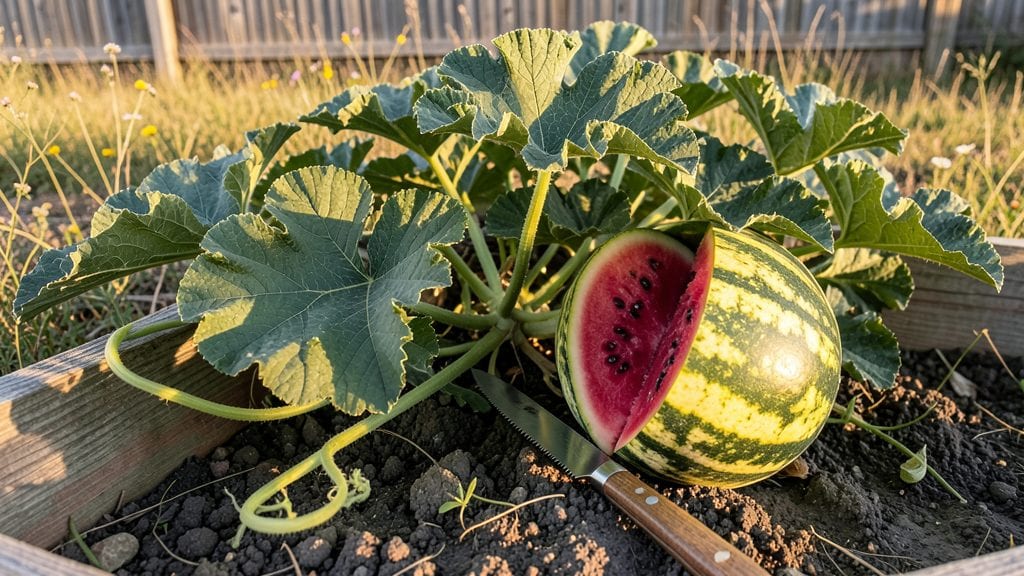
Watermelon seeds turn brown when the fruit inside is overripe or stressed—something I’ve seen ruin perfectly good seeds more times than I’d like to admit. 🌱 The good news? You can still salvage them with a few quick checks before tossing them out.
Start by cutting open the melon and inspecting the seeds: if they’re firm, white, or light tan, they’re good to plant. But if they’re shriveled, dark brown, or moldy, it’s time to move on.
Overripe fruit is the #1 culprit, but poor pollination or environmental stress can also cause brown seeds. I’ve learned that harvesting melons at the right time—when the tendril near the stem turns brown and the fruit feels heavy—makes all the difference.
If you’re saving seeds for next year, store them in a cool, dry place (like a paper envelope) until planting season to keep them viable.
For the best results, focus on fresh, healthy fruit from well-pollinated vines. A quick test: press your thumb into the flesh—if it’s firm and slightly spongy, the seeds are likely good.
You’ll end up with strong seedlings ready to grow into juicy, sweet melons in just a few months. Here’s how to spot and fix the issue before it ruins your harvest.
This works for backyard gardens, container growing, or even community plots—just adjust your harvesting timing based on your local climate. The key is acting fast once you notice the brown seeds. Don’t let a little stress turn your seeds into a lost cause!
The Hidden Reasons Behind Brown Seeds
If you’ve ever cracked open a watermelon only to find brown or discolored seeds, you might have wondered why this happens. While it can be off-putting, there are actually several scientific reasons behind it—some natural, others tied to storage or handling.
Understanding these causes can help you prevent it and keep your watermelon seeds looking (and tasting) fresh. Let’s break it down.
Not all watermelon seeds are created equal! Some varieties naturally produce darker or brownish seeds due to their genetics. This is especially common in heirloom or less common watermelon types, where seed pigmentation can vary widely.
For example, certain hybrid watermelons may have seeds that darken slightly as they mature, even if the fruit itself looks perfectly healthy.
What to watch for:
- If you’ve bought a new watermelon variety, check seed color before purchase (when possible).
- Heirloom or organic watermelons are more likely to have naturally darker seeds.
Watermelon seeds can turn brown if the fruit is harvested too early or left on the vine too long. When a watermelon is underripe, the seeds may not fully develop their intended color, leading to a dull or brownish appearance.
Conversely, if the fruit overripens on the vine, enzymatic activity can cause the seeds to oxidize and darken prematurely.
How to spot it:
- Check the watermelon’s rind: A dull, soft spot or yellowing underneath indicates overripeness.
- Tap the watermelon—it should sound hollow and firm, not mushy.
- Look for a creamy yellow spot on the bottom; this is a classic sign of ripeness.
Once harvested, watermelons are sensitive to temperature and humidity. Storing them in cold temperatures (below 50°F or 10°C) or high humidity can accelerate seed discoloration. Cold exposure triggers enzymatic browning, similar to how apple slices turn brown when left out.
Additionally, if the watermelon is stored with seeds exposed to air (e.g., cut open and left uncovered), oxidation speeds up the browning process.
Actionable storage tips:
- Store whole watermelons at room temperature (50–85°F or 10–29°C)—never in the fridge until ready to eat.
- If cutting a watermelon, cover the exposed seeds with plastic wrap or a damp paper towel to limit air exposure.
- Avoid washing the watermelon before storage; moisture promotes mold and browning.
Some watermelons are treated with fungicides, pesticides, or even wax coatings to extend shelf life. While these treatments are generally safe for consumption, they can sometimes react with the seeds over time, causing discoloration.
Additionally, if the watermelon was exposed to chlorine (from washing) or copper-based fungicides, the seeds may develop a brownish tint as a side effect.
How to minimize risks:
- Rinse watermelons thoroughly with water before cutting, but avoid soaking them.
- Choose organic watermelons if you’re concerned about chemical residues.
- Peel the watermelon before eating if you notice unusual discoloration on the seeds.
Now that you know the science behind brown watermelon seeds, you can take steps to prevent it—whether by selecting the right variety, storing properly, or handling with care.
The good news? Even if the seeds look brown, they’re usually still safe to eat (though texture or taste may be slightly off).
Fixing Discolored Watermelon Seeds
Now that you know why your watermelon seeds turn brown, let’s tackle the solutions! Whether you’re dealing with overripe fruit, improper storage, or pest damage, these fixes will help restore freshness and flavor—and prevent future issues.
Below, we’ve mapped out practical steps for each common cause, along with pro tips to keep your watermelon seeds vibrant and ready to eat.
If your seeds are brown because the watermelon was past its prime (or not fully ripe), here’s how to salvage what you can and avoid wasting the rest:
🍈 Check Ripeness First
Before cutting into the fruit, test its readiness:
- Tap test: A ripe watermelon sounds hollow when tapped near the stem end.
- Field spot: The spot where it rested on the ground should be creamy yellow, not white or dull.
- Weight: A ripe watermelon feels heavy for its size.
🥘 Use the Edible Parts
If the seeds are brown but the flesh is still fresh:
- Remove seeds carefully: Scoop out the seeds with a spoon, leaving the good fruit intact.
- Enjoy the flesh: Use the watermelon for smoothies, salads, or freezing for later (see storage tips below).
- Roast the seeds: If they’re slightly brown but not moldy, rinse and roast them for a crunchy snack (see below).
🌱 Prevent Future Overripeness
- Buy firm, heavy watermelons with a dull rind and a slightly yellow spot.
- Store properly: Keep whole watermelons at room temperature until ripe, then refrigerate cut pieces in an airtight container for up to 5 days.
- Freeze extras: Slice and freeze watermelon in portions to extend its shelf life.
Brown seeds from storage issues? Fix it with these steps:
🔄 Revive Stored Watermelon If the seeds are brown but the fruit isn’t moldy:
- Cut out the affected area: Trim away any discolored sections, including seeds, and use the fresh part.
- Rinse and dry: Wash the remaining fruit with cold water and pat dry to remove excess moisture.
- Store correctly: Place cut watermelon in a sealed container lined with paper towels to absorb moisture.
Store in the fridge for up to 3–4 days.
📊 Optimize Storage for Longevity
- Whole watermelons: Store at room temperature (50–70°F) until ripe. Avoid refrigerating whole melons—they’ll spoil faster.
- Cut watermelons: Refrigerate in an airtight container with a paper towel underneath to absorb moisture.
Consume within 3–5 days. - Freeze for later: Slice and freeze watermelon in portions for smoothies or snacks (lasts up to 3 months).
❄️ Freeze the Seeds (If Safe)
If the seeds are brown but not moldy, you can still save them:
- Rinse seeds thoroughly under cold water to remove pulp.
- Dry on a paper towel for 1–2 hours.
- Spread on a baking sheet and freeze for 1 hour to kill any bacteria.
- Store in an airtight container in the freezer for up to 6 months. Roast before eating (see below).
If brown seeds are due to pests or mold, act fast to prevent spoilage:
🧼 Clean and Disinfect
- Discard moldy sections: Cut away any areas with fuzzy mold or weevil damage.
Don’t eat moldy watermelon—it can cause illness. - Wash the fruit: Scrub the rind with a vinegar-water solution (1:3 ratio) to kill surface bacteria. - Dry thoroughly: Pat dry with a clean towel to prevent further mold growth.
🐛 Prevent Pest Infestations
- Inspect before buying: Look for small holes, webbing, or sawdust-like frass (insect droppings) on the rind.
- Store in a cool, dry place: Keep watermelons away from direct sunlight or damp areas where pests thrive.
- Use food-grade diatomaceous earth: Sprinkle lightly around stored watermelons to deter crawling insects.
🍳 Roast Damaged Seeds (If Safe)
If the seeds are brown but not moldy, you can still enjoy them roasted: 1. Boil seeds for 10 minutes to kill any pests or bacteria.
- Drain and dry on a paper towel.
- Toss with oil and spices (salt, paprika, or garlic powder).
- Roast at 300°F (150°C) for 15–20 minutes until crispy.
- 🌡️ Keep it cool but not cold: Watermelons prefer room temperature until ripe, then fridge storage.
- ✨ Use a watermelon keeper: These breathable bags slow down spoilage by reducing ethylene gas exposure.
- 🎯 Buy smaller watermelons: They tend to stay fresher longer than large ones.
- 🔥 Label and date: If freezing, write the date on the bag to track freshness.
With these fixes, you’ll be back to enjoying crisp, flavorful watermelon seeds in no time—whether roasted, eaten fresh, or saved for later! 🍉✨
Frequently asked questions
Are brown watermelon seeds safe to eat?
Yes, they’re usually safe if the seeds are firm and free of mold. Brown seeds often result from overripeness or oxidation, not spoilage. Just avoid any seeds that feel mushy, smell off, or have visible mold growth. For extra safety, roast them at 300°F (150°C) for 15 minutes to kill bacteria.
Can I still plant brown watermelon seeds?
Only if they’re plump, firm, and free of cracks or mold. Brown seeds from overripe fruit may not germinate well, but healthy-looking ones can still sprout. Test a few in damp paper towels to check viability before planting. Store seeds in a cool, dry place until spring for best results.
Why do some watermelon varieties have naturally brown seeds?
Certain heirloom or hybrid varieties develop darker seeds as they mature—this is normal! Check seed packets or ask the seller about expected seed color. If you’re growing your own, save seeds from healthy, fully ripe fruit for consistent results next season.
How can I prevent my watermelon seeds from turning brown?
Harvest melons at peak ripeness (creamy yellow spot, hollow sound when tapped) and store them properly. Keep whole melons at room temperature (50–85°F or 10–29°C) until ready to eat, then refrigerate cut pieces. Avoid washing before storage—moisture speeds up browning.
Are brown seeds a sign of pest damage?
Not always, but check for other clues like small holes or webbing. If seeds are brown and the flesh has mold or insect trails, discard the melon. For prevention, store watermelons in a cool, dry place and inspect them regularly for pests.