
Lawn
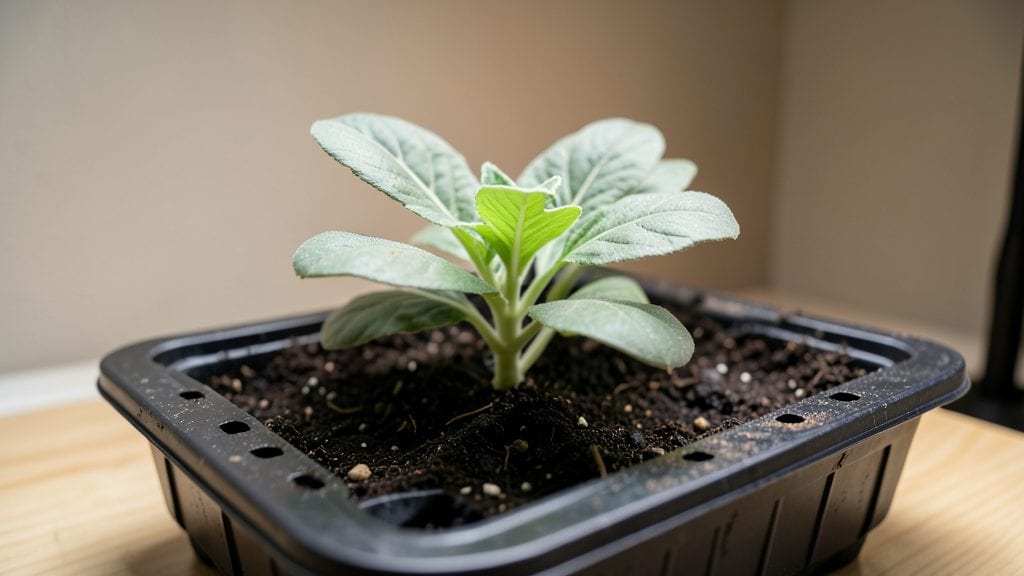
Weather for seed planting determines success by aligning soil warmth, frost timing, and moisture—cool-season crops like lettuce need 40–50°F soil, while warm-season plants such as tomatoes thrive in 60–70°F. Always check your local frost dates and rainfall patterns to prevent transplant shock or seed rot, and plant after the last frost in your hardiness zone.
Getting the weather right for seed planting isn't just about waiting for spring—it's about matching your plants' needs to your local climate's quirks. 🌱 For example, seeds like beans and peas actually prefer cooler soil temperatures (50–60°F) and can even handle light frosts, while tropical plants like basil need consistently warm soil to germinate properly.
I've learned that checking a 7-day forecast and soil thermometer readings (not just air temperature) makes all the difference in avoiding failed germination.
What most gardeners overlook is how microclimates create planting windows within your zone. A south-facing slope warms up faster than a shaded backyard, which means you could plant tomatoes 2–3 weeks earlier in the right spot.
Coastal areas often have milder winters, while inland regions might need row covers or cold frames to extend growing seasons. The key is observing your specific conditions rather than relying solely on general zone guidelines.
💡 In This Article
- How Climate Zones Affect Seed Planting Timing
- Best Weather Conditions for Germination by Plant Type
How climate zones affect seed planting timing
The USDA hardiness zone map divides North America into 13 zones based on average annual minimum temperatures, but what truly matters for seed planting is the frost-free period. This is the number of days between the last spring frost and the first fall frost—typically 140–200 days in most regions.
For example, Zone 5 (average -20°F winters) has a shorter frost-free season (120–150 days) than Zone 9 (20–30°F winters) with 240–300 days.
The science here involves chilling requirements for seeds: cool-season crops like broccoli need 30–60 days of cold to trigger flowering, while warm-season plants like cucumbers can't germinate until soil reaches 60°F.
Soil warming is the critical factor most gardeners miss. Air temperature lags behind soil temperature—especially in early spring—because soil absorbs and retains heat differently based on moisture and organic matter.
A soil thermometer shows that in Zone 6, soil may only reach 50°F when air hits 60°F, creating a 10°F difference. This delay explains why planting too early can leave seeds vulnerable to rot or frost damage.
Coastal areas often have 3–4 weeks longer frost-free periods than inland locations at the same latitude due to ocean temperature moderation—think of San Francisco's Zone 10 climate compared to inland Sacramento's Zone 9.
Microclimates create planting windows within your zone. A south-facing wall can warm 5–10°F hotter than the surrounding area, allowing you to plant heat-loving crops like okra 2 weeks earlier. Conversely, shaded spots may stay 10°F cooler, delaying germination for cool-season crops.
Wind patterns also matter: exposed areas lose moisture faster, while sheltered spots retain humidity better. This is why gardeners in Zone 7 might successfully grow peppers in containers on patios (protected from wind) when in-ground planting would fail.
The key is observing your specific conditions rather than relying solely on zone averages.
Heat tolerance thresholds determine which plants thrive in your zone. For instance, sweet potatoes need 80°F soil to germinate, while potatoes prefer 45–55°F. In Zone 8, you might grow sweet potatoes as a fall crop when soil cools, but they'd fail in spring planting.
Similarly, tropical plants like eggplants have a minimum soil temperature of 70°F, making them risky in Zones 5–7 unless started indoors.
The last frost date (typically 32°F) isn't the only threshold—some plants (like beans) can tolerate light frosts (28°F) while others (like basil) die at 35°F.
Regional exceptions abound. High-altitude areas (like Denver, CO in Zone 5) have cooler soil temperatures than sea-level locations in the same zone, while desert regions (like Phoenix, AZ in Zone 10) may have hotter soil despite similar winter lows.
Urban heat islands can push microclimates into higher zones—Chicago's downtown (Zone 6) might support Zone 7 plants in summer. Always verify local frost dates (not zone averages) and consider 3-year trends rather than single-year data, as climate shifts are accelerating planting windows by 1–2 weeks per decade in many regions.
What most gardeners overlook is how moisture retention interacts with temperature. Sandy soils warm faster but dry out quicker, while clay holds moisture longer but stays cooler. This explains why seeds planted in loamy soil (ideal for most crops) germinate more reliably than in extreme soil types.
The 1-inch soil moisture rule (keeping topsoil damp but not soggy) becomes critical during germination—too much water causes rot, while too little prevents seed swelling. In drought-prone zones, mulching can extend planting windows by 2–4 weeks by moderating soil temperature swings.