
Pests
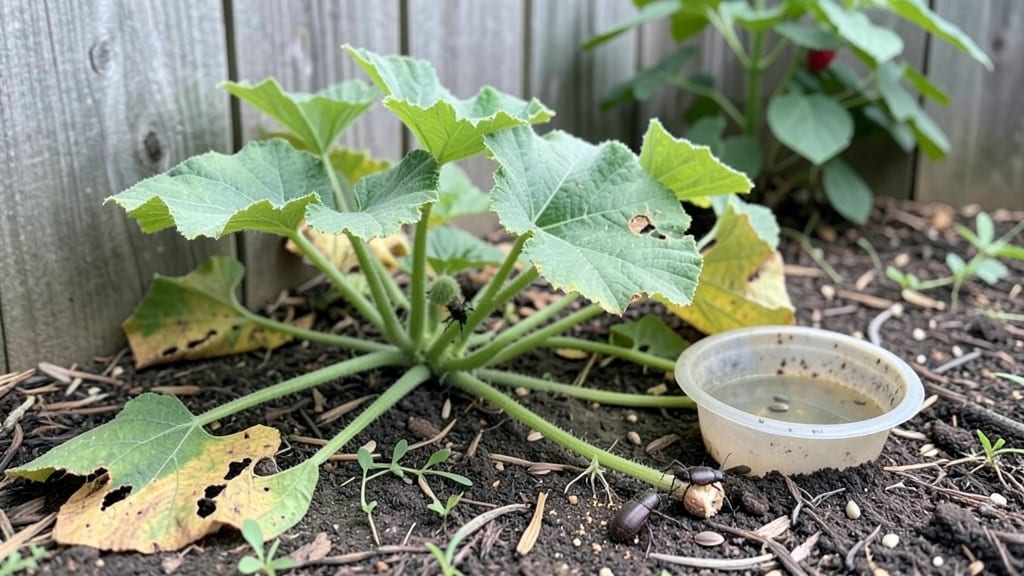
Animals that eat pumpkin seeds include squirrels, birds like cardinals and blue jays, raccoons, opossums, and even deer, making them a natural wildlife attractant while also drawing garden pests like rodents and insects.
Pumpkin seeds serve as a high-energy snack for wildlife, especially during fall and winter when other food sources dwindle. 🌰 Squirrels and birds rely on them for fat reserves, while larger mammals like deer may nibble on fallen seeds from pumpkins left in fields.
The protein-rich seeds also act as a magnet for garden pests, which can become problematic if not managed properly.
What's interesting is how these seeds play dual roles—attracting beneficial pollinators like bees while also luring unwanted critters. In my experience, scattering seeds intentionally can help monitor wildlife activity, but it requires strategic placement to avoid over-attracting rodents to your garden.
The key is balance: use them as a tool, not a free-for-all buffet.
💡 In This Article
- Wildlife That Naturally Consumes Pumpkin Seeds
- Managing Pumpkin Seed Attractants in Gardens
Wildlife that naturally consumes pumpkin seeds
Pumpkin seeds are a nutritional powerhouse for wildlife, packed with approximately 28 grams of protein per 100 grams and rich in healthy fats that provide sustained energy.
Squirrels, for instance, are among the most efficient seed consumers—they can crack open a pumpkin's hard shell using their sharp incisors and store seeds in hidden caches for winter.
These rodents rely on the seeds' high-fat content (about 40% of their caloric value) to survive lean months when other food sources are scarce. 🔥
Birds like cardinals and blue jays also target pumpkin seeds, often pecking at them on the ground or snatching them mid-air from squirrels' stashes. These birds use the seeds primarily for protein during nesting season, when they need extra energy to feed their young.
The seeds' small size makes them easy to swallow whole, and their hard outer shell protects the nutrient-rich interior from digestion until it reaches the gizzard, where grinding occurs.
In contrast, larger mammals such as raccoons and opossums consume seeds opportunistically, often raiding gardens or foraging in fields where pumpkins have been left to decompose.
Seasonal variations dramatically influence which animals seek out pumpkin seeds. During autumn, when pumpkins are harvested and left to rot, seeds become exposed and accessible to wildlife. Deer, for example, may browse fallen pumpkins in agricultural areas, particularly in regions like the Midwest where cornfields often border pumpkin patches.
The seeds' high fiber content aids digestion, making them a valuable supplement to deer's primarily herbivorous diet. In colder months, seeds become even more critical as animals build fat reserves to endure winter's metabolic demands. 💫
Regional differences also play a role in seed consumption patterns. In the southeastern United States, where opossums thrive, these nocturnal mammals are known to raid pumpkin patches, consuming both flesh and seeds.
Meanwhile, in drier western states, birds like scrub jays dominate seed consumption due to their adaptability to arid environments. The seeds' moisture content—around 8-10%—helps sustain hydration in these regions, where water sources may be limited.
This regional variation highlights how pumpkin seeds serve as a versatile food source across diverse ecosystems.
What's fascinating is how pumpkin seeds fit into broader ecological cycles. For example, squirrels that bury seeds often forget some, leading to accidental plantings that sprout into new pumpkin or squash plants. This natural dispersal method benefits local biodiversity by introducing genetic diversity to wild plant populations.
Meanwhile, the seeds' high oil content makes them attractive to insects like beetles, which can become pests if pumpkins are left in gardens too long. The balance between beneficial wildlife and potential nuisances creates a dynamic relationship that gardeners must navigate carefully. ✨