
Trees
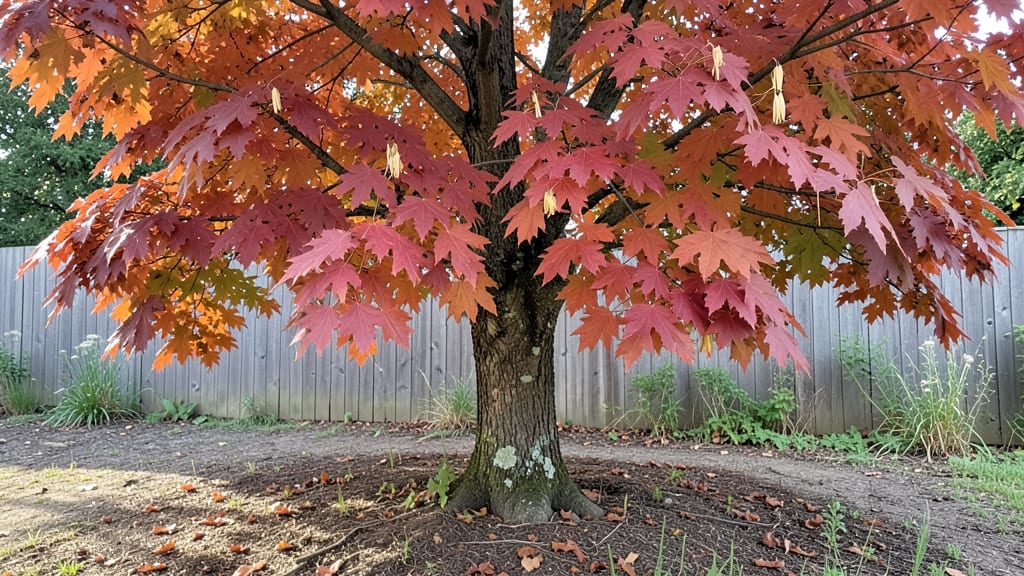
Maple seeds fall between late summer and early autumn 🌳, when the iconic helicopter-shaped samaras begin their graceful descent.
Watching them spiral to the ground is a quintessential sign of autumn—but the exact timing depends on the tree species and your location. Whether you're planning for seed collection or simply admiring nature's timing, knowing these details can make all the difference.
For example, sugar maples often release seeds in September, while red maples may start as early as August. Climate and tree maturity also play a role, so your local conditions can shift the window by weeks.
Below, I break down the science behind seed drop timing, how to predict it, and what to watch for in your own backyard.
Maple seed drop timing by species: when to expect helicoids
Understanding when maple seeds fall helps you time garden cleanup, seed collection, or simply enjoy the whirling spectacle of helicopter seeds 🌳. The timing varies dramatically between species, with sugar maples and red maples often dropping seeds weeks apart.
Even within the same species, your USDA hardiness zone can shift the window by 3-4 weeks.
Maple trees produce seeds through a fascinating process called samara dispersal, where winged seeds spin to the ground. This happens when the tree senses shorter daylight hours, cooler temperatures, and reduced sap flow.
Younger trees may drop seeds earlier than mature specimens, sometimes by as much as 2 weeks.
The following comparison breaks down the typical seed drop windows for four common maple species, along with key factors that influence timing:
Note: These timelines assume average conditions in USDA Zones 5-7. In warmer climates (e.g., Zone 8+), expect drops to shift 2-4 weeks later, while cooler zones may see earlier falls.
Pro Tip: For precise predictions, track your local first frost date and count backward—most maple seeds fall 4-6 weeks before frost.
| Species | Seed Drop Window | Key Environmental Triggers | Regional Variations | Seed Maturity Notes |
|---|---|---|---|---|
| Sugar Maple (Acer saccharum) | Late August to Mid-October |
|
|
Seeds fully mature when leaves turn yellow-brown; may take 3-5 days to complete drop. |
| Red Maple (Acer rubrum) | Mid-September to Early November |
|
|
Earlier drop than sugar maples; seeds may spread over 3 weeks. |
| Silver Maple (Acer saccharinum) | Early September to Mid-October |
|
|
Fast-growing species; seeds drop 2-3 weeks earlier than sugar maples. |
| Boxelder (Acer negundo) | Late August to Late September |
|
|
Smallest seeds; may drop in multiple batches over 4 weeks. |
If you're collecting seeds for propagation, aim to gather them within 24-48 hours of hitting the ground. Seeds left on the forest floor for more than 3 days may lose viability, especially in humid conditions. For sugar maples, this means timing your collection for early October in most regions.
Environmental stress—like prolonged drought or unseasonable heat—can accelerate seed drop. I’ve seen red maples in my Zone 6 garden release seeds as early as late August during hot summers, while cooler years delay drops until October.
Pay attention to your tree’s leaf color changes as the most reliable early warning sign.
For gardeners in coastal areas, expect delays due to milder winters. The Pacific Northwest, for example, often sees silver maple seeds drop in October or November, while inland Zone 6 trees may finish by mid-October.
Microclimates—like urban heat islands or shaded valleys—can also shift timing by 1-2 weeks.
How climate and region affect maple seed fall dates
Maple seeds—those iconic helicopter-shaped samaras—don’t fall on a single calendar date. Their timing shifts dramatically based on latitude, elevation, and local microclimates. In New England, for example, seeds often spiral down in late September, while in the Pacific Northwest, they may linger until mid-October.
Understanding these regional patterns helps you predict when to expect the autumnal spectacle—or when to prepare for cleanup.
Elevation plays a surprising role, too. Trees at higher altitudes (like those in the Appalachian Mountains) may drop seeds 2-3 weeks earlier than their lowland counterparts. This happens because cooler temperatures trigger seed maturation faster.
Meanwhile, urban microclimates—where pavement and buildings trap heat—can delay seed fall by 10-14 days compared to rural areas.
Temperature is the primary trigger for seed dispersal. Most maple species require consistent nighttime temperatures below 50°F (10°C) to signal maturity.
In warmer climates, like the Southeastern US, seeds might not fall until November, while in colder zones (e.g., Minnesota), they could drop as early as mid-September.
Even within a single city, a south-facing yard might experience seed fall 10 days earlier than a north-facing one due to heat differences.
If you’re collecting seeds for planting, pay attention to local weather forecasts. A heatwave in September can delay drops, while an early cold snap might cause a sudden rush.
In Europe, where species like field maple (Acer campestre) thrive, seeds often fall in late summer—sometimes as early as August—due to the region’s longer daylight hours and warmer summers.
For gardeners in transitional zones (like Zone 6-7), blending observations from nearby regions can help. For instance, if your neighbor in Zone 5 reports seed drop in early October, expect yours to follow 5-7 days later.
Keep a seed drop journal for 2-3 years to refine your local predictions—nature’s timing is as much an art as it is a science.
Pro tip: Use a weather station or local phenology networks (like Project BudBurst) to track seed drop patterns in your area. These tools can reveal decadal shifts caused by climate change, helping you stay ahead of the curve.
Whether you’re admiring the helicopter seeds or planning a wildlife-friendly garden, understanding these regional quirks turns guesswork into gardening mastery.