How To
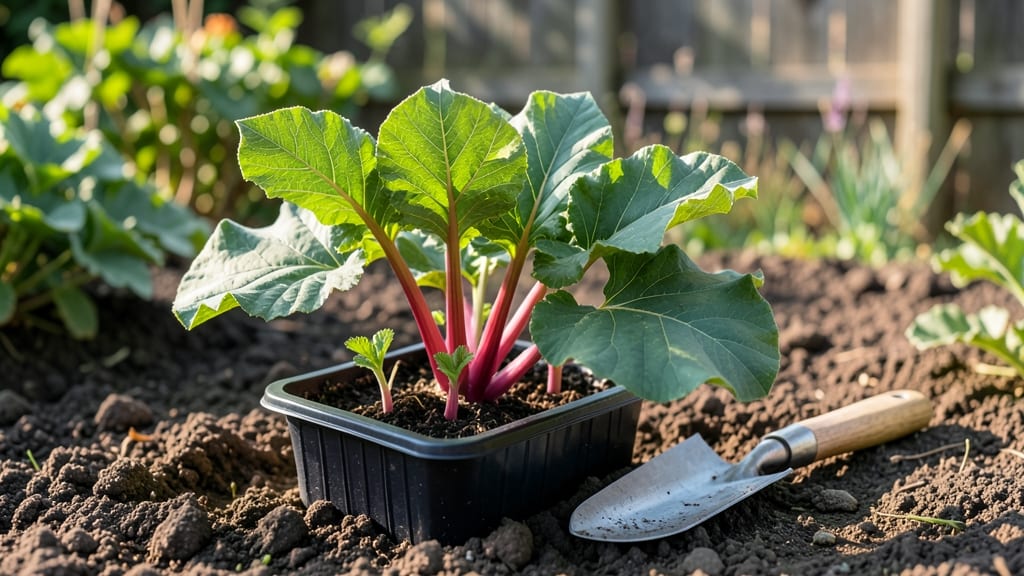
Sow rhubarb seeds in late winter to early spring 🍃 for the best chance at hardy, productive plants—miss that window, and you risk stunted growth or no harvest at all.
Rhubarb’s vibrant stalks and hardy nature make it a gardener’s dream, but timing your seed sowing wrong can mean wasted effort. Whether you're in a chilly USDA Zone 6a or a milder climate, planting too early or too late throws off the plant’s natural rhythm.
Most gardeners actually skip seeds entirely and plant crowns instead—they’re far more reliable. But if you’re committed to starting from seed, we’ll cover the exact months to sow for your region, plus soil prep tips and whether to start indoors or go straight into the ground.
By the end, you’ll know whether February or March is your best bet, how to adjust for cold snaps, and why some growers swear by a late-summer sowing trick for a second harvest.
Optimal months to sow rhubarb seeds by climate zone
Sowing rhubarb seeds at the right time ensures strong germination and healthy plant establishment. Unlike rhubarb crowns, which are more reliable, seeds require precise timing to thrive. Cold-hardy varieties like 'Victoria' or 'Valentine' perform best when sown early, while heat-sensitive types need cooler conditions.
Your USDA zone dictates the ideal window—miss it, and you risk weak seedlings or poor yields.
Most gardeners prefer early spring sowing (March-April) for direct outdoor planting, but late summer sowing (August-September) works in warmer zones. Cold stratification (chilling seeds) can improve germination rates if you're sowing outside the ideal window.
Always choose a well-draining location with 6+ hours of sunlight daily to maximize stalk production.
Here’s a zone-by-zone breakdown of when to sow rhubarb seeds for best results, including early vs. late strategies:
| USDA Zone | Early Spring Sowing | Late Summer Sowing | Notes |
|---|---|---|---|
| 3-4 | March-April (after last frost) | Not recommended | Use cold frames or greenhouse for earlier starts. |
| 5-6 | March-April | August (with cold stratification) | Late summer sowings need shade cloth if temps exceed 85°F. |
| 7-8 | February-March | July-August | Prioritize heat-tolerant varieties like 'Champagne.' |
| 9-10 | January-February | June-July | Use drip irrigation to prevent heat stress. |
For USDA zones 3-4, focus on early spring sowing after the last frost date. In colder climates, greenhouse starting 4-6 weeks before transplanting can give seedlings a head start.
If you’re in zones 5-6, both early spring and late summer sowings work—just ensure seedlings have consistent moisture during establishment.
Late summer sowing (August-September) is ideal for warmer zones (7-10) because it allows seedlings to establish roots before winter. However, avoid sowing when nighttime temps drop below 50°F, as this can stunt growth. In zone 10, you can even try fall sowing (October-November) for a winter harvest cycle.
One common mistake is sowing rhubarb seeds too early in warm climates, which leads to bolting (premature flowering). To prevent this, use shade cloth or sow seeds under partial shade until seedlings are 4-6 inches tall. Always harden off seedlings for 7-10 days before transplanting to avoid shock.
If you’re growing rhubarb from seeds (instead of crowns), expect a 2-year wait for harvestable stalks. The first year focuses on root development, while the second year yields edible stalks.
For faster results, consider transplanting established crowns in early spring—this skips the seedling stage entirely and delivers stalks in 1 year.
Pro tip: Mix compost into the soil before sowing to improve drainage and fertility. Rhubarb prefers slightly acidic to neutral soil (pH 6.0-7.0). After sowing, mulch with straw or wood chips to retain moisture and suppress weeds.
Avoid over-fertilizing, as this can lead to leafy growth at the expense of stalks.
With the right timing and care, your rhubarb seeds will grow into productive plants. Whether you’re in a cold northern zone or a hot southern climate, adjusting your sowing schedule ensures a bountiful harvest of those prized tart-sweet stalks.
How to adjust sowing timing for faster or slower growth
Rhubarb seeds thrive when sown at the right time, but knowing how to adjust your timing can mean the difference between a weak, leggy plant and a vigorous, productive harvest.
Whether you're trying to speed up growth for an early harvest or slow development to avoid bolting in hot weather, these strategies work. The key lies in understanding cold stratification, transplanting techniques, and seasonal cues that trigger growth.
Most gardeners focus on spring sowing, but rhubarb seeds can also be sown in late summer for a slower, more controlled growth cycle. The trick is manipulating temperature and light exposure to match your local climate.
For example, in USDA Zone 5, sowing in early April gives seedlings enough time to establish before winter, while in Zone 8, a late July sowing avoids the heat and prevents premature bolting.
Here’s how to fine-tune your sowing schedule for optimal results:
-
1Cold Stratification for Spring Sowing: Place seeds in a moist paper towel inside a sealed plastic bag and refrigerate for 4-6 weeks before sowing in early spring (March-April). This mimics winter conditions and breaks dormancy, ensuring faster germination once temperatures rise.
-
2Late Summer Sowing for Slower Growth: For a controlled, slower development, sow seeds in late July-August in cooler climates. Use shade cloth (30-50%) to reduce light intensity, which delays bolting and extends the growing season into fall. Transplant seedlings to their permanent spot in early spring.
-
3Transplanting for Faster Establishment: Start seeds indoors 8-10 weeks before the last frost, then transplant outdoor-hardened seedlings in early spring. This skips the slow outdoor germination phase and gives plants a 3-4 week head start. Use biodegradable pots to avoid root disturbance.
-
4Avoid Bolting with Heat Management: If sowing in warm climates (Zones 8-10), use mulch (straw or wood chips) to keep soil temperatures stable and prevent heat stress. Water deeply in the morning to reduce evaporation and stress-induced bolting. Avoid fertilizing heavily in late summer, as excess nitrogen speeds up growth and triggers premature flowering.
-
5Extend the Season with Row Covers: For faster early growth, use floating row covers after transplanting to trap heat and speed up root development. Remove covers once plants are 2-3 inches tall to prevent overheating. In fall, use black plastic mulch to warm soil and encourage late-season growth before the first frost.
One common mistake is sowing too early in cold climates, which leads to weak, etiolated seedlings that struggle to establish. Conversely, sowing too late in warm regions can result in bolting before harvest. To avoid these pitfalls, always check your local frost dates and adjust your timeline accordingly.
For example, in Zone 4, aim for mid-April sowing, while in Zone 9, late August is ideal for a fall crop.
If you’re growing rhubarb from crowns (the more reliable method), the same timing principles apply. Plant crowns 2-3 weeks before the last frost for faster root establishment, or delay until early spring in colder zones to prevent frost damage.
Remember, rhubarb is a perennial, so getting the timing right now means years of low-maintenance harvests with minimal effort.
Experiment with these techniques to find what works best for your climate. With the right adjustments, you’ll enjoy thicker stalks, earlier harvests, and fewer problems—all while keeping your rhubarb plants healthy and productive for seasons to come. 🌱