
How To
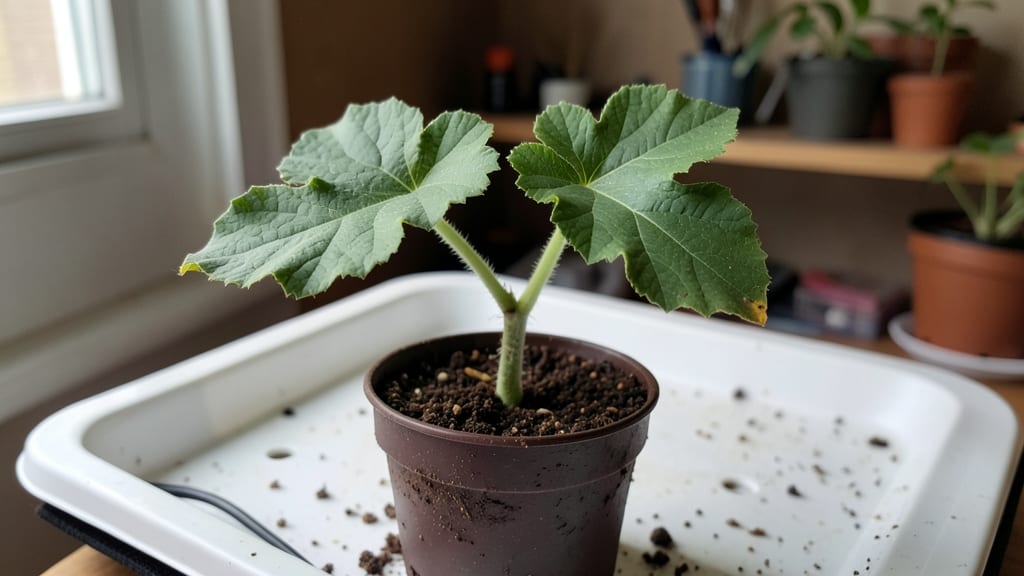
Starting cantaloupe seeds indoors 4-6 weeks before your last frost date gives them the warm, pest-free head start they crave 🍈—but get the timing wrong, and you risk leggy seedlings or a harvest that never arrives.
Picture this: you’ve nurtured your seedlings for weeks, only to rush them outdoors too early, where a single 50°F night sends them into shock. Or worse, you start them too late, and your cantaloupes bolt before they even fruit.
The difference between success and disappointment often comes down to those critical weeks in early spring.
In USDA Zone 6a, where frost lingers until mid-April, that means planting seeds indoors by early March. But in warmer climates, like Florida or California, you might start them as late as May—because the real enemy isn’t cold soil, but the heat that can scorch tender young plants.
The key? Matching your start date to your last frost and your cantaloupe’s 75-day maturity window.
Here’s how to nail it: I’ll walk you through the exact weeks to start seeds, how to harden off seedlings for outdoor life, and the simple tricks to extend your growing season—so you’re harvesting sweet, ripe cantaloupes by July instead of scrambling for store-bought.
Exact weeks before last frost to start cantaloupe seeds indoors
Cantaloupes need a long growing season—typically 70-90 days from seed to harvest—and starting them indoors at the right time can mean the difference between a bountiful harvest and wasted effort.
The key is calculating your last frost date and working backward, accounting for your USDA hardiness zone and the seedling's ideal transplant age of 3-4 weeks.
For example, if your last frost date is April 15 (common in Zone 6), you’ll want to start seeds 4-6 weeks before that date—around March 1-15.
But in Zone 10, where frost is rare, you might start seeds as late as February or even direct-sow outdoors after soil warms. The formula is simple: subtract 70-90 days (maturity window) from your first harvest date, then adjust for your zone's frost risk.
Here’s the science-backed breakdown: cantaloupe seeds germinate best at 70-85°F, and seedlings need 14+ hours of light daily. Starting too early risks leggy seedlings from insufficient light, while starting too late leaves them vulnerable to cool soil temperatures and pests.
The 3-4 week transplant window ensures strong roots before outdoor shocks.
Use this zone-specific calculator as your guide: in Zones 3-5, start seeds 8-10 weeks before last frost (earlier varieties); in Zones 6-8, aim for 4-6 weeks before; and in Zones 9-10, you can start as late as February or skip indoor starting entirely.
Always check your local frost dates—they vary even within zones!
🌱
Adjust your timing based on early vs. late varieties. Early varieties (like 'Minnesota Midget') mature in 60-70 days, giving you flexibility to start later. Late varieties (like 'Athena') need 80-90 days, so you’ll need to start seeds 2-3 weeks earlier to avoid frost risks.
Always check seed packets for specific maturity dates—they’re your best guide!
If your last frost date is uncertain, add a 1-2 week buffer to your indoor starting window.
For example, in Zone 7, where frost can linger, starting seeds 5 weeks before last frost (instead of 4) gives you a safety net. Monitor local weather forecasts and consider using row covers to extend your outdoor planting window if needed.
Pro tip: Use a seedling heat mat to maintain 70-85°F soil temps for faster germination. Cantaloupe seeds can take 7-14 days to sprout, and warmth speeds up this process.
Once seedlings emerge, provide 14+ hours of light—use grow lights if your windows aren’t sunny enough. Leggy seedlings are a red flag for insufficient light!
Don’t forget to harden off seedlings for 7-10 days before transplanting. Start by placing them outdoors for 1-2 hours daily, gradually increasing exposure. This acclimates them to outdoor conditions and reduces transplant shock.
Choose a cloudy day or late afternoon for the first session to avoid stress from direct sunlight.
🌿
Step-by-step indoor seed starting guide for cantaloupes
Starting cantaloupe seeds indoors gives them a critical head start in cooler climates, but success depends on precision in every step. From seed selection to hardening off, each phase demands attention to avoid common pitfalls like damping-off or leggy seedlings.
With the right soil mix, temperature control, and lighting setup, you’ll nurture sturdy, transplant-ready seedlings ready to thrive outdoors.
Cantaloupes are warm-season crops that need consistent warmth (70–85°F) and 14+ hours of light daily to grow strong. Skipping these requirements often leads to weak vines or poor fruit set.
I’ve grown cantaloupes for years, and I’ve learned that timing, container size, and gradual acclimation are the keys to avoiding transplant shock. Let’s break it down step by step.
When to Start Cantaloupe Seeds Indoors
- 4–6 weeks before last frost in USDA Zones 3–7 (e.g., March 1–15 in most regions).
- 3–4 weeks before last frost in Zones 8–10 (milder winters mean less need for early starts).
- Adjust for early/late varieties: Early types (e.g., 'Minnesota Midget') can start 2 weeks earlier; late types (e.g., 'Athena') need 6 weeks indoors.
- Transplant outdoors only after soil reaches 70°F and nighttime temps stay above 55°F.
Pro Tip: Use a seedling heat mat to maintain 75–85°F soil temps for faster germination.
First, choose high-quality cantaloupe seeds from a reputable supplier. Organic seeds like 'Hale’s Best' or 'Ambrosia' are excellent choices for beginners. Soak seeds in lukewarm water for 4 hours to speed up germination.
This step isn’t mandatory, but it can cut your wait time by 2–3 days. Use a well-draining seed-starting mix (avoid garden soil—it’s too dense and can cause damping-off disease).
Plant 2–3 seeds per container (use 3–4 inch pots or biodegradable peat pots) about 1 inch deep. Cantaloupe seeds need warmth to germinate, so place containers in a seedling heat mat or on top of your fridge until they sprout.
Once germinated, move them to a sunny windowsill or under grow lights for 14+ hours of light daily. Without enough light, seedlings stretch toward the sun, becoming leggy and weak.
Water seedlings from the bottom to avoid disturbing the soil and causing root shock. Keep the soil consistently moist but not soggy—cantaloupes hate waterlogged roots. After the first true leaves appear (about 1–2 weeks), thin to the strongest seedling per pot.
This reduces competition for nutrients and space. Fertilize lightly with a balanced 10-10-10 fertilizer at half strength once the third leaf emerges.
About 1–2 weeks before transplanting, begin hardening off your seedlings. This means exposing them to outdoor conditions gradually: start with 1–2 hours of shade on day 1, then increase exposure by 1 hour daily.
By day 7, they should handle full sun and wind for 6–8 hours. Hardening off prevents transplant shock, which can stunt growth or kill seedlings. Choose a cloudy day for the final transplant to reduce stress.
Transplant seedlings into the garden after the last frost, spacing them 2–3 feet apart in mounded soil for better drainage. Use black plastic mulch to warm the soil faster and retain moisture.
With proper care, your cantaloupes will be ready to harvest in 70–90 days, yielding sweet, ripe fruit that’s worth the effort. 🍈