Vegetables
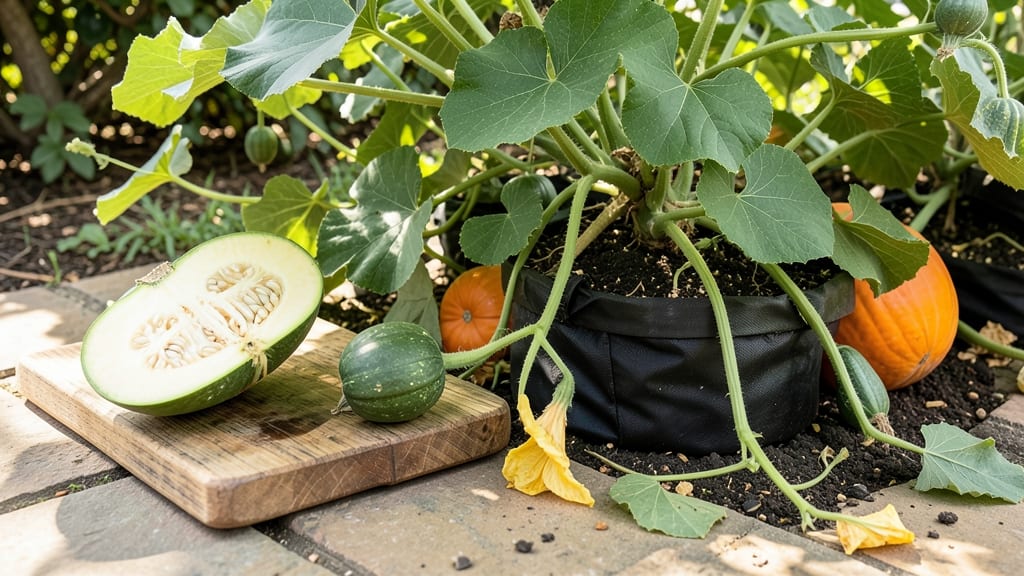
Why some pumpkin seeds appear green comes down to chlorophyll retention in the seed coat, often tied to early harvesting or specific varieties like 'Cinderella' or 'Jack Be Little.' This color variation is harmless and simply reflects genetic or environmental influences during growth.
This green discoloration happens because chlorophyll—the pigment responsible for photosynthesis—lingers in the seed coat when pumpkins are harvested too early or when certain varieties retain it naturally. 🌱 Unlike ripe seeds, these green ones are perfectly safe to eat, though they may have a slightly bitter taste.
The phenomenon is more common in heirloom or specialty pumpkins, where breeders have preserved these unique traits over generations.
What's fascinating is how environmental factors play a role: seeds exposed to more sunlight during growth often develop deeper green hues, while those from shaded vines may stay paler.
This makes green seeds a visual marker of both genetics and growing conditions—nature's way of showing us how closely connected a plant's appearance is to its environment.
💡 In This Article
- Chlorophyll and Genetic Factors in Green Pumpkin Seeds
- Best Pumpkin Varieties for Green-Seeded Harvest
Chlorophyll and genetic factors in green pumpkin seeds
The green pigment in pumpkin seeds comes from chlorophyll, the same compound that makes leaves green. When pumpkins are harvested prematurely—typically before the seeds fully mature—the seed coats don't have time to break down all the chlorophyll.
This pigment normally degrades as seeds ripen, but in some cases, it persists, creating that distinctive green hue. The process involves the seed's outer layer retaining chloroplasts, the cellular structures where photosynthesis occurs. 🌱
Genetically, this trait follows predictable inheritance patterns. Chlorophyll retention often behaves as a recessive trait, meaning a pumpkin needs two copies of the gene (one from each parent) to consistently produce green seeds.
Varieties like 'Cinderella' or 'Jack Be Little' have been selectively bred to preserve this characteristic, while commercial pumpkins usually carry dominant genes that produce white or cream-colored seeds. The genetic blueprint determines whether chlorophyll will linger or be fully metabolized during seed development.
Environmental factors also play a critical role. Seeds exposed to direct sunlight during the final stages of growth develop more intense green coloring because light exposure accelerates chlorophyll production in the seed coat. Conversely, seeds from vines with partial shade may appear paler or yellowish.
Moisture levels matter too—excessive humidity can slow chlorophyll breakdown, while dry conditions speed up the process. This is why green seeds are more common in pumpkins grown in cooler, wetter climates where ripening occurs more gradually.
What most people don't realize is that this green pigment doesn't just affect color—it can influence taste too. Unripe seeds often contain higher levels of tannins, which give them a slightly bitter flavor compared to fully mature seeds.
However, roasting at 300-325°F for 20-30 minutes reduces bitterness by breaking down these compounds. The texture remains firm and crunchy, just like traditional pumpkin seeds, but with a unique visual and flavor profile that enthusiasts often seek out.
Interestingly, this chlorophyll retention isn't limited to pumpkins. Similar traits appear in other squash varieties like zucchini and some gourds, where premature harvesting or specific cultivars can also produce green seeds.
The key difference lies in the genetic stability of the trait—some plants consistently pass it on, while others show it only under particular growing conditions. For pumpkin growers, this means selecting the right variety and timing harvests carefully to achieve the desired seed color.
Here's what's actually happening at the cellular level: The seed coat contains living cells that continue photosynthesizing until the seed fully matures. When harvest occurs too early, these cells can't complete their natural breakdown process, leaving chlorophyll intact.
The result is a visual marker of the seed's developmental stage—a fascinating intersection of genetics, environment, and plant biology that turns an ordinary pumpkin into a canvas of natural variation. ✨