
Lawn
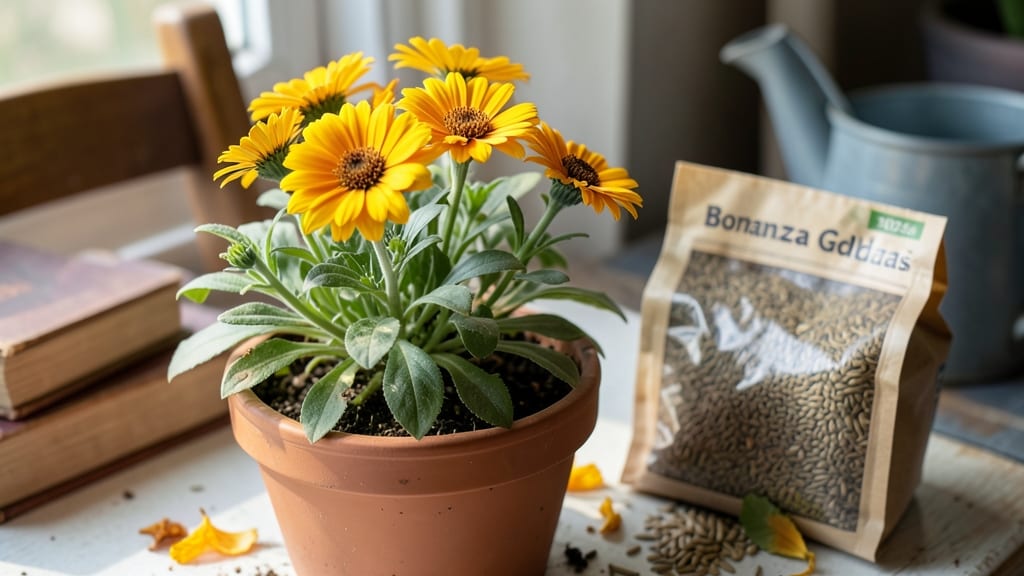
Flipping through the 2026 seed catalogs now means a garden bursting with life by next spring. 🌱 I’ve spent countless winter evenings poring over these pages, and every year, they spark ideas that transform my garden—from heirloom tomatoes that taste like summer to drought-resistant flowers that thrive when others wilt.
The best part? You’re not just picking seeds; you’re designing the harvest you’ll enjoy for months.
Here’s the thing—these catalogs aren’t just lists of varieties. They’re roadmaps for next year’s success, packed with details on planting zones, days to maturity, and even companion planting tips.
I use mine to sketch out my garden layout, rotate crops to prevent disease, and spot new varieties that might outperform my old favorites. It’s like having a gardening crystal ball, but one you can hold in your hands.
By now, you’ll have a wish list of plants, a rough sketch of where they’ll go, and a strategy for beating last year’s pests.
The catalogs even help you calculate how much to order, so you don’t end up with 50 extra packs of radishes or wish you’d planted more basil. Think of it as your garden’s blueprint—except this one comes with photos of the finished product.
Start now, and by planting time, you’ll be the one swapping envy-filled garden stories with neighbors while holding a basket of homegrown goodness. The best gardens begin with a dream—and a seed catalog is where those dreams take root.
📚 In This Guide
- What you need
- Instructions
- Tips and common mistakes
- Wrapping up and next steps
What you need
- ● 2026 Seed Catalog: Printed or digital copy (check for organic, heirloom, or hybrid options).
- ● Notebook or Planner: For sketching layouts, tracking deadlines, and jotting notes (1–2 dedicated pages per garden section).
- ● Ruler or Measuring Tape: 6–12 ft. for precise spacing (critical for vegetables, flowers, and perennials).
- ○ Graph Paper or Garden Planning Software: Optional but helpful (e.g., Garden Planner Apps or free templates from seed companies).
- ● Permanent Markers or Stakes: For labeling sections (waterproof markers for outdoor use).
- ● Seed Envelopes or Small Containers: For organizing seeds by type/year (50+ if sorting by variety).
- ● Internet Access: For researching climate zones, soil types, and local frost dates (USDA Plant Hardiness Zone Map is key!).
- ● Calendar: To mark order deadlines, planting windows, and seed-saving dates.
- ● Soil Test Kit: To check pH/nutrient levels (especially for vegetables and acid-loving plants).
- ● Seedling Heat Mat: For early starts (if your climate has short growing seasons).
- ● Garden Journal: For tracking yields, pests, and successes/failures year-over-year.
- ● Compost or Fertilizer: Pre-planning your soil amendments saves time later.
- ● Local Gardening Groups: Facebook groups or forums for seed swaps and regional advice.
How to navigate the 2026 seed catalog like a pro
Let’s turn that seed catalog into a personalized garden plan without the overwhelm.
🌱 Step 1: Identify Your Growing Zone and Season
First, locate your USDA Hardiness Zone—this determines what will thrive in your area. Most seed catalogs list zones alongside each variety, so cross-reference yours (find it with a quick online search or zip code tool). I always highlight cool-season crops (like lettuce or peas) for early spring and warm-season plants (tomatoes, peppers) for summer.
Check the catalog’s planting charts for your zone—they’ll show ideal months for sowing, transplanting, and harvesting. Skipping this step means risking frost damage or stunted growth. For example, if you’re in Zone 6, you’ll want to start tomatoes indoors 8-10 weeks before your last frost date (usually mid-April).
☀️ Step 2: Match Seed Varieties to Your Sunlight and Space
Seed catalogs often list sunlight requirements (full sun, partial shade, etc.), so scan for plants that fit your garden’s light conditions. A south-facing bed gets 6+ hours of direct sun, while a shady spot might only handle 3-4 hours. I circle compact varieties for small spaces or containers—like ‘Patio’ tomatoes or ‘Thumbelina’ carrots—because they save room without sacrificing yield.
Also, note mature plant size to avoid overcrowding. A single ‘Mammoth Melting’ sugar snap pea vine can sprawl 10+ feet, while bush beans stay tidy at 2 feet tall. Sketch a rough layout to visualize spacing before ordering.
💧 Step 3: Prioritize Water Needs and Soil Preferences
Drought-tolerant seeds (like ‘Droughtmaster’ beans or ‘Black Krim’ tomatoes) are lifesavers if you’re forgetful with watering. Most catalogs specify soil type (sandy, clay, loamy) and moisture needs—look for keywords like “well-drained” or “humus-rich.” I avoid heavy clay soils for seeds labeled “sandy loam preferred.”
Check the days to maturity for each variety—this helps plan succession plantings. For example, if you want continuous lettuce, order a mix of 30-day, 45-day, and 60-day varieties to stagger harvests. This ensures you’re never left without fresh greens.
⏰ Step 4: Plan for Seed Starting and Succession Planting
Seed catalogs often include indoor starting dates for transplants like peppers or eggplants. I mark these on my calendar now so I’m ready in January or February. For direct-sown crops (like beans or radishes), note the ideal outdoor soil temperature—most need at least 60°F to germinate.
Succession planting is key for steady harvests. If a catalog suggests sowing every 2 weeks, set reminders to order extra seeds or save some from your first batch. For example, bush beans mature in 50-60 days, so I plant a new row every 2 weeks from May through July.
🪴 Step 5: Order Strategically to Avoid Waste
Seed packets last 1-2 years if stored properly (cool, dark, dry place), so don’t overorder. I stick to 1-2 packets per variety unless I’m testing multiple types (like heirloom vs. hybrid tomatoes). Check the catalog’s quantity discounts—sometimes buying a 6-packet pack saves money, but only if you’ll use them all.
Also, note packaging details: Some seeds come pre-treated for disease resistance, while others need soaking before planting. I highlight these in my order notes to remember later. Finally, order early—popular varieties sell out fast, and you don’t want to miss out on your favorite tomatoes or peppers!
Tips & tricks for navigating the 2026 seed catalog
Here’s how to turn that catalog into a stress-free, high-yield garden plan—without the overwhelm.
Zone-Specific Shortcuts: Use the USDA Plant Hardiness Zone Map to find your exact zone, then bookmark it for quick reference. Many seed catalogs now include interactive zone finders—save time by using these instead of guessing. For example, if you’re in Zone 5, you’ll want to focus on cold-hardy varieties like ‘Winter Density’ kale or ‘Sugar Snap’ peas, which thrive in cooler climates. This step alone prevents costly mistakes with frost-sensitive plants.
Sunlight Mapping: Before ordering, walk your garden with a notebook and record sunlight exposure in different spots. A south-facing bed might get 8+ hours of sun, while a north-facing area could only handle 3-4 hours. Circle varieties labeled “partial shade” for those spots—this ensures you’re not setting up plants for failure. I’ve learned the hard way that ‘Sun Gold’ tomatoes need full sun, while ‘Mizuna’ greens can handle light shade.
Succession Planting Hack: For crops like lettuce or bush beans, use the catalog’s “days to maturity” to create a planting schedule. If your catalog suggests sowing every 2 weeks, set calendar reminders now. For example, with 50-60 day bush beans, you’ll want to plant new rows every 2 weeks from May through July to maintain a continuous harvest. This simple trick guarantees you’ll never have a lull in fresh produce.
Storage Wisdom: Seed packets last 1-2 years when stored properly, so don’t overorder. Keep them in a cool, dark place (like a sealed container in your pantry) to preserve viability. I label each packet with the purchase year to track freshness. If you’re testing heirloom vs. hybrid varieties, consider buying just 1-2 packets of each—you can always order more later if you love them!
Pro Tips for 2026 Seed Catalog
- Here’s how to turn that catalog into a stress-free, high-yield garden plan—without the overwhelm.
- Zone-Specific Shortcuts: Use the USDA Plant Hardiness Zone Map to find your exact zone, then bookmark it for quick reference.
- Sunlight Mapping: Before ordering, walk your garden with a notebook and record sunlight exposure in different spots.
Frequently asked questions
Got questions about planning ahead with your 2026 seed catalog We’ve got answers! Here’s what you need to know to make the most of next year’s gardening dreams.
When should I start ordering seeds for 2026?
Now is the perfect time! Many seed companies release their 2026 catalogs in late summer or early fall (August–October), so you can plan ahead. Early orders often get the best selection, especially for heirloom or rare varieties. Pro tip: Bookmark your favorite catalogs now to set reminders!
Can I save seeds from this year’s harvest for 2026?
Saving seeds is cost-effective and eco-friendly, but store them properly to maintain viability. Use airtight containers, keep them in a cool, dry place (like a fridge), and label them clearly. Most seeds stay viable for 1–5 years, depending on the type.
Are there budget-friendly alternatives to buying a full seed catalog?
Yes! Many companies offer discounts for bulk orders, subscriptions, or loyalty programs. You can also swap seeds with local gardeners (check Facebook groups or seed libraries) or buy seeds from online marketplaces like Etsy for unique varieties at lower prices.
How do I choose the best seeds for my climate in 2026?
Check your USDA Hardiness Zone (find it here) and look for seeds labeled as “drought-tolerant,” “heat-resistant,” or “cold-hardy” based on your area. Many catalogs include regional growing guides—use these to pick winners for your zone!
What if my 2026 seeds don’t germinate?
Don’t panic! Poor germination can stem from old seeds, improper storage, or planting too deep. Always test a few seeds in a damp paper towel for viability before sowing. If issues persist, try soaking seeds overnight or adjusting soil temperature—most seeds need warmth (60–85°F) to sprout.
Wrapping up and next steps
The 2026 seed catalog is your golden ticket to cultivating a thriving garden next year—whether you're a seasoned green thumb or just starting out! 🌱 With the right varieties, tools, and planning, you’re well on your way to reaping a bountiful harvest or a stunning lawn.
Now’s the perfect time to start dreaming, sketching layouts, and marking your calendar for early orders.
Your next step? Dive into the catalogs, jot down your favorites, and get excited for planting season! Happy gardening—your future garden awaits! 🌿