
Lawn
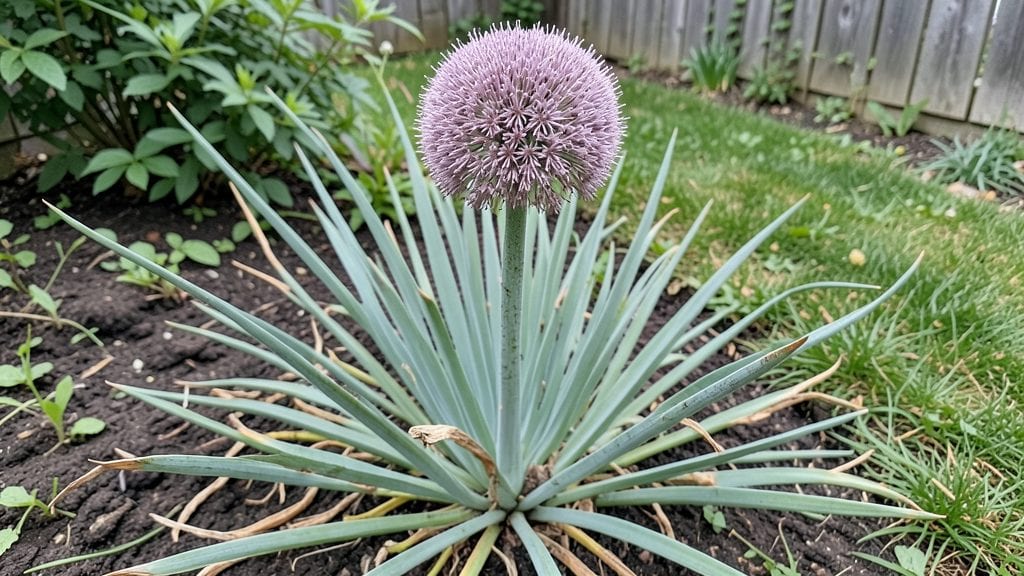
Allium seed heads turn your garden into a sculptural masterpiece long after the blooms fade. 🌿 I’ve used them to add dramatic height and texture to winter arrangements, and they’ve become my go-to for dried bouquets that last months.
The papery spheres catch light beautifully, whether standing alone or paired with grasses and berries.
You don’t need anything fancy—just dried allium heads, a pair of floral wire or twine, and a vase or container. For winter gardens, cluster them with evergreens like boxwood or holly for a striking contrast. In dried arrangements, their soft, spherical shapes create movement even when still.
What you’ll end up with is a garden that feels alive year-round, with unexpected pops of interest when most plants have gone dormant. The seed heads hold their shape for months, resisting wind and rain better than fresh blooms. Plus, their subtle fragrance lingers when brushed against.
Works for cottage gardens, modern landscapes, or even tabletop displays. Try mixing them with eucalyptus or dried lavender for a fragrant, textured look that keeps giving long after summer fades.
📚 In This Guide
- What you need
- Instructions
- Tips and common mistakes
- Wrapping up and next steps
What you need
- ● Allium seeds: Choose Allium sphaerocephalon (balloon flower) or Allium giganteum (giant allium) for striking seed heads. Buy 1–2 packets (50–100 seeds each) for a small garden or 3+ packets for larger areas.
- ● Well-draining soil: Mix 60% garden soil with 30% compost and 10% perlite or sand to prevent rot.
- ● Containers or garden beds: For seeds: 4–6-inch pots (1–2 per seed) or a seed tray with drainage holes.
- ● For mature plants: 12–18-inch deep beds (alliums love space—plant 12–18 inches apart).
- ● Watering can or hose: With a gentle spray nozzle to avoid displacing seeds.
- ● Pruners or scissors: Sharp, sterilized tools for harvesting seed heads.
- ○ Drying rack or screen: A mesh grid or elevated tray for air-drying blooms (optional but ideal).
- ● Mulch: Straw or shredded leaves to retain moisture and suppress weeds.
- ● Fertilizer: Balanced 10-10-10 or bone meal (sprinkle lightly at planting).
- ● Pebbles or gravel: For drainage layers in containers.
- ● Floral preservative: If using seed heads in arrangements (e.g., Floralife).
- ● Garden gloves: To protect hands while handling prickly seed heads.
How to grow and maintain allium seed heads for year-long interest
With just a few simple steps, you can transform bold blooms into striking, fragrant decorations that last through winter.
🌱 Step 1: Select and Plant Allium Varieties for Long-Lasting Seed Heads
Choose allium varieties known for their dramatic seed heads, like Allium 'Globemaster' or Allium 'Purple Sensation'. These produce large, round blooms that dry beautifully. Plant bulbs in well-draining soil in fall, about 6-8 inches deep and 12 inches apart, for spring blooms.
Alliums thrive in full sun—at least 6 hours daily—and prefer soil that drains well. If your garden has heavy clay, mix in compost to improve drainage. Water deeply after planting, then let the soil dry slightly between waterings once growth starts. You'll see tall, slender stems emerge in early spring, followed by globe-shaped blooms.
☀️ Step 2: Support and Care for Blooms Until They Dry
Once the flower globes appear, do not cut them. Let them fully open and fade naturally on the plant. If stems are tall (over 2 feet), stake them lightly with bamboo stakes to prevent bending in wind or rain. This keeps the seed heads upright for drying.
Water moderately during the blooming season—once a week if rain is scarce—but reduce watering as the flowers fade. Overwatering now encourages rot before the seed heads can dry properly. You'll know they're ready for harvest when the blooms turn brown and papery, usually 4-6 weeks after flowering.
✂️ Step 3: Harvest and Dry Seed Heads for Long-Term Use
Cut stems with clean pruners, leaving 2-3 inches of stem attached. Bundle 3-5 stems together and hang upside down in a dry, dark, well-ventilated space like a garage or shed. This prevents mold and ensures even drying. It takes 2-4 weeks for seed heads to fully dry, depending on humidity.
Check weekly for dryness by gently pressing a seed head—if it crumbles easily, it's ready. Store dried heads in paper bags or burlap sacks in a cool, dry place. They'll retain their shape and fragrance for up to a year, making them perfect for winter arrangements or dried flower crafts.
🌿 Step 4: Extend the Season with Cut Flowers and Winter Arrangements
For fresh cut flowers, harvest blooms when half-open for longer vase life. Place stems in lukewarm water immediately after cutting to prolong freshness. Alliums pair beautifully with eucalyptus, dried grasses, or berries in arrangements. Change water every 2-3 days to prevent bacterial growth.
In winter, use dried seed heads to add texture to holiday wreaths, centerpieces, or garlands. Their spherical shapes create visual interest, while their subtle fragrance fills a room. Replenish dried heads as needed—once they lose their crispness, simply replace them with fresh batches from your stash.
Tips & tricks for perfect allium seed heads
Transforming allium blooms into stunning dried decorations doesn't have to be tricky—just follow these essential tips to ensure your seed heads stay beautiful and fragrant all year.
Variety Selection: Not all alliums make great dried flowers. Stick with varieties like 'Globemaster' or 'Purple Sensation'—their large, round blooms dry beautifully and maintain their shape. If you're unsure which to choose, look for descriptions mentioning "dried flower potential" on seed packets or plant tags. The bigger the bloom, the better it will hold up when dried.
Planting Depth Matters: When planting your allium bulbs in fall, aim for that 6-8 inch depth—this prevents them from rotting in winter while giving roots plenty of room to establish. I've learned the hard way that shallow planting leads to weak stems that can't support those heavy seed heads. Use a bulb planter or even a long screwdriver to ensure consistent depth.
Drying Conditions Are Critical: The 2-4 week drying time can feel like forever, but don't rush it! Hang your bundles in a space with good airflow—like a garage or shed—but keep them out of direct sunlight. Too much light causes fading, while poor ventilation leads to mold. I like to place a small fan nearby to circulate air without creating drafts that could damage the delicate seed heads.
Storage Wisdom: Once dried, store your allium seed heads in paper bags rather than plastic. Paper allows for better air circulation, which preserves that lovely fragrance for up to a year. I've found that adding a few bay leaves to the storage bag enhances the natural scent while preventing pests. Label your bags with the variety and year—you'll be amazed at how quickly you accumulate a beautiful collection!
Pro Tips for Allium Seed Heads
- Transforming allium blooms into stunning dried decorations doesn't have to be tricky—just follow these essential tips to ensure your seed heads stay beautiful and fragrant all year.
- Variety Selection: Not all alliums make great dried flowers.
- Planting Depth Matters: When planting your allium bulbs in fall, aim for that 6-8 inch depth—this prevents them from rotting in winter while giving roots plenty of room to establish.
Frequently asked questions
Got questions about allium seed heads?
You’re not alone! Whether you’re a beginner gardener or a seasoned pro, these answers will help you grow, maintain, and enjoy these fragrant blooms all year long.
When is the best time to plant allium seed heads?
Plant allium seed heads in early spring (after the last frost) or late summer/early fall for spring blooms. They thrive in well-draining soil and full sun. For perennial varieties, sow seeds directly outdoors—no need for indoor starts!
How long do allium seed heads take to bloom?
Most alliums bloom 6–8 weeks after planting if sown in spring, or the following spring if planted in fall. Patience pays off—those striking globes of purple, white, or pink will be worth the wait!
Can I reuse allium seed heads for next year?
Yes! After blooming, leave the seed heads on the stems—they’ll dry naturally and self-seed for future growth. For a tidy look, snip them off after they’ve browned and crumbled. Pro tip: Save seeds from your favorite varieties to replant!
What if my alliums aren’t blooming?
Check for sunlight, soil, or overcrowding. Alliums need 6+ hours of sun and well-draining soil. If planted too closely, thin them out. If they’re not blooming by mid-spring, they may need fertilizer (low-nitrogen) or a little more patience!
Are there alternatives to allium seed heads for texture?
Try ornamental grasses (like fountain grass), dried lavender, or Echinacea for similar height and texture. For fragrant blooms, Russian sage or statice are great substitutes!
Wrapping up and next steps
Allium seed heads bring year-round beauty, fragrance, and texture to your garden with minimal effort—whether you're a seasoned gardener or just starting out. Their versatile charm makes them perfect for borders, containers, or even dried arrangements, while their resilience ensures they thrive in diverse climates.
Ready to elevate your outdoor space? Start small—plant a few seed heads this season, experiment with colors, and watch your garden transform into a fragrant, textured masterpiece! 🌱✨