
Planting
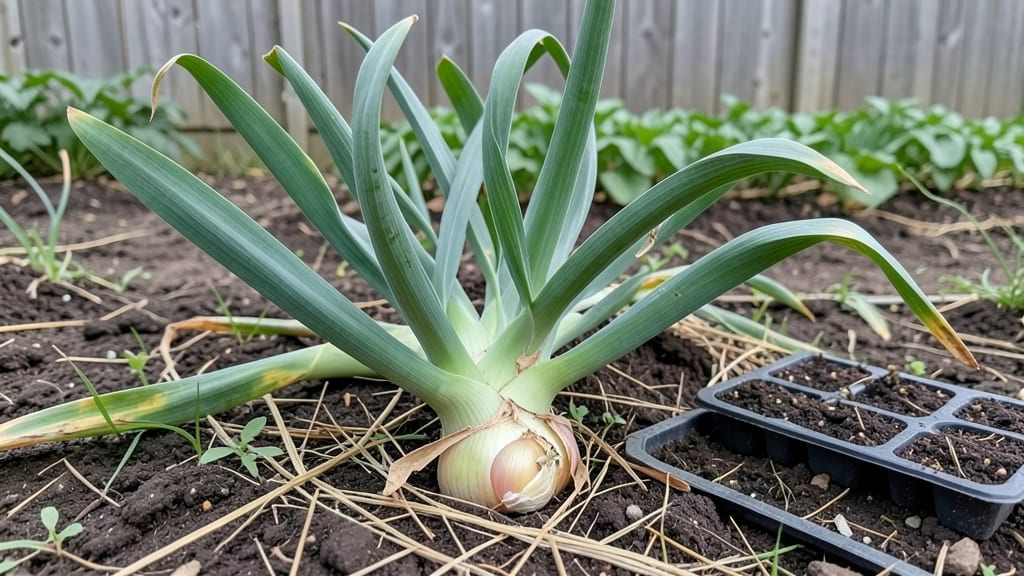
Sowing allium seeds at the right depth and timing unlocks bold, globe-shaped blooms that steal the show in any garden 🌷.
Want vibrant allium blooms that brighten your garden in record time? Mastering the right technique—like planting ¼-inch deep in well-drained soil—can mean the difference between a patchy display and a showstopping floral spectacle.
Most gardeners overlook how soil temperature and spacing affect germination, but these small details determine whether your alliums thrive or fizzle out before summer.
Here’s the step-by-step guide to sowing allium seeds for fast, reliable blooms, including when to start indoors, how to space them for airflow, and what to watch for in the first 60 days.
Best time to plant Allium seeds for year-round blooms
Timing is everything when it comes to allium seeds sowing—plant too early, and frost may kill tender sprouts; too late, and you’ll miss the spring bloom window.
The key lies in understanding your USDA hardiness zone and whether you’re growing ornamental alliums (like Allium giganteum) or edible varieties (such as garlic or onion seeds).
In cooler zones (3-7), aim for early spring sowing (March-April) or fall planting for perennials, while warmer zones (8-11) can extend sowing into late winter or early autumn to avoid summer heat stress.
For year-round blooms, stagger your plantings every 4-6 weeks starting in early spring. This ensures a continuous floral display from late spring through summer. Perennial alliums, like Allium schubertii, benefit from fall sowing (8-10 weeks before frost) to establish strong roots before winter.
Annual varieties, such as Allium cepa (onion), thrive with spring sowing but may bolt in hot climates—so opt for shade cloth or succession planting in summer.
🌱
In USDA Zone 6a (like much of the Midwest), I’ve found that sowing Allium schubertii seeds in early April yields the most robust blooms by June, while a second planting in mid-May extends color into July.
For edible alliums, such as onion seeds, start indoors 6-8 weeks before last frost (around February) for transplants ready by April. This head start gives them a competitive edge against weeds and ensures full maturity before summer’s end.
If you’re in a warmer zone (8-11), like Southern California or Florida, focus on fall sowing (August–September) to avoid the intense summer heat, which can cause seeds to dry out or sprout unevenly.
I’ve had success with Allium roseum in these zones by planting in early September—the cooler temperatures trigger germination, and blooms appear by February, just in time for early spring color.
For container gardening, time your sowing to align with your last frost date. In my experience, starting Allium moly seeds indoors in late February (under grow lights) ensures they’re ready for outdoor pots by mid-April.
This dwarf variety thrives in containers and blooms earlier than larger alliums, making it perfect for balcony gardens or patio displays. Just ensure your pots have drainage holes to prevent root rot—a common issue with alliums in heavy soil.
🌿
One of the biggest mistakes I’ve seen (and made!) is planting allium seeds too deeply. While they’re hardy, burying them more than ½ inch can delay germination or prevent sprouts from breaking through the soil.
The general rule is ¼ to ½ inch deep, with loose, well-draining soil to encourage quick emergence. If you’re sowing in clay-heavy soil, mix in compost or perlite to improve aeration and moisture retention.
To extend your blooming season, try succession planting every 3-4 weeks from spring through early summer. For example, in my garden, I sow Allium cristophii in March, May, and June, which gives me blooms in May, July, and August.
This technique works especially well for annual alliums, which have a shorter lifespan than perennials. Pair this with deadheading spent blooms to redirect energy into new growth, and you’ll enjoy non-stop color from early spring to frost.
🌷
Finally, don’t overlook microclimates in your garden. A south-facing wall or elevated bed can warm up faster in spring, allowing you to sow 2-3 weeks earlier than the general guideline. I’ve used this trick to get Allium sphaerocephalon blooming by late May in Zone 6a, instead of waiting until June.
Pay attention to wind exposure too—alliums planted in sheltered spots (like near a fence) often emerge faster and stronger than those in open, windy areas.
With the right timing and a little experimentation, your allium seeds sowing can transform your garden into a year-round floral masterpiece. Start with the zone-specific guidelines above, adjust for your microclimate, and don’t forget to stagger your plantings for continuous blooms. Happy gardening!
How deep to sow Allium seeds: the perfect planting depth guide
Getting the allium seeds sowing depth just right is the secret to strong, healthy blooms that pop in your garden. Too shallow, and they’ll dry out before sprouting; too deep, and they’ll struggle to push through the soil.
The ideal planting depth for allium seeds is ¼ inch (0.6 cm)—about the thickness of a dime—into loose, well-draining soil. This depth ensures moisture while allowing young shoots to break through without resistance.
But not all alliums are created equal. Ornamental varieties like Allium giganteum or Allium schubertii often need slightly deeper planting (½ inch) because their seeds are larger and store more energy.
Meanwhile, delicate allium corms (like chives) only need ⅛ inch of coverage. Understanding these differences prevents wasted seeds and uneven germination.
- ¼ inch (0.6 cm) for most allium seeds (e.g., Allium moly, Allium sphaerocephalon)
- ½ inch (1.2 cm) for large ornamental seeds (e.g., Allium giganteum)
- ⅛ inch (0.3 cm) for corms or small seeds (e.g., chives, garlic chives)
- Adjust soil type: Sandy soil? Plant slightly deeper to retain moisture; clay soil? Plant shallower to avoid suffocation
- Use a seed starter mix for indoor sowing—it’s lighter and drains better than garden soil
Soil type plays a surprising role in allium seeds sowing depth. In sandy soil, which drains quickly, you might plant seeds ⅛ inch deeper to hold onto moisture longer. Conversely, in clay-heavy soil, planting seeds shallower than ¼ inch prevents them from suffocating as the soil compacts.
Always loosen the soil before sowing to create a well-aerated seedbed—this helps roots establish faster and reduces the risk of damping off.
One of the biggest mistakes gardeners make is overcrowding seeds while also planting too deep. Allium seeds need 6–12 inches of space between plants to thrive, but if you bury them too deeply, they’ll waste energy trying to reach the surface.
Instead, scatter seeds lightly in rows, cover them with soil, and gently press them in. A light misting afterward keeps them hydrated without disturbing their placement.
Uneven sprouts? Check your allium seeds sowing depth first. If some seeds emerge faster than others, it’s often a sign of inconsistent coverage. Use a seed spacing tool or your finger to ensure even pressure when pressing soil over seeds.
For stubborn seeds, try a warm-water soak (70°F for 24 hours) before planting—this mimics natural rainfall and can kickstart germination in 3–7 days.
Pro tip: Mark your rows with toothpicks or bamboo stakes to avoid disturbing seeds during watering. Alliums are drought-tolerant once established, but consistent moisture in the first 2–3 weeks is critical.
Water gently at the soil line to avoid washing seeds away—think of it like giving them a gentle rain shower rather than a drenching.