
Pruning
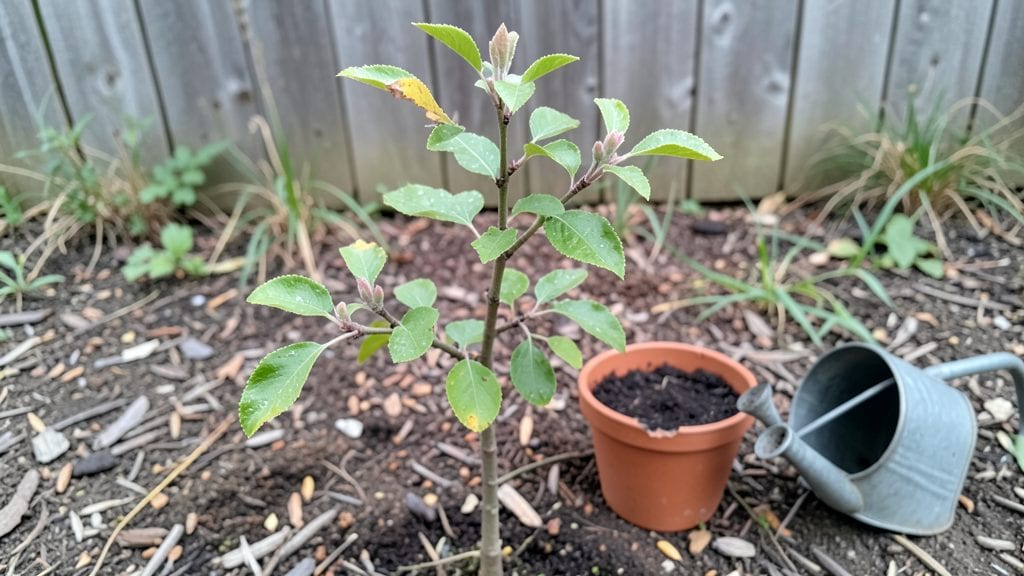
Caring for apple tree seedlings turns a $5 sapling into a future orchard treasure—if you avoid the three rookie mistakes that kill them before they bear fruit.
I’ve nursed my own seedlings from spindly sticks to sturdy 6-foot trees by focusing on the basics: soil that drains like a sponge, watering that keeps roots happy without drowning them, and pruning that shapes growth instead of stressing it.
The first year is all about building a strong foundation, not rushing blooms.
Most beginners overcomplicate this: you don’t need fancy tools or a greenhouse. A shovel, pruning shears, mulch, and a watering can are all you’ll need. The real secret? Checking the soil moisture with your finger before watering—if it’s dry an inch down, it’s time.
And pruning isn’t about hacking branches—it’s about opening the tree up to sunlight and air so it grows straight and strong. I’ve seen seedlings wither from too much love (overwatering) or collapse from neglect (underwatering), but once you get the rhythm, it’s foolproof.
By next spring, your seedling will be a sturdy young tree with glossy leaves and a trunk thicker than your wrist. The smell of fresh apple blossoms in May becomes your reward for these early efforts.
The key is consistency—no dramatic changes in water or sudden pruning cuts. Think of it like raising a child: steady care leads to a strong, healthy adult. Here’s how to keep it thriving through every season.
This works for any apple variety, whether you’re growing in a backyard, large pot, or rural plot. The same principles apply whether you’re in Zone 5 or Zone 8—just adjust watering slightly for your climate.
Let’s get your seedling off to the right start so it’s ready to fruit in just a few years.
📚 In This Guide
- What you need
- Instructions
- Tips and common mistakes
- Wrapping up and next steps
What you need
- ● Apple tree seedling: 1 healthy, disease-free seedling (bare-root or potted, 1–3 years old).
- ● Well-draining soil: 5–10 gallons of a mix of 60% topsoil, 30% compost, and 10% perlite/sand (or pre-mixed potting soil for containers).
- ● Container or planting hole: For containers: 1–2 large pots (15–20 gallons each) with drainage holes.
- ● For outdoor planting: A hole twice as wide and deep as the seedling’s root ball.
- ● Fertilizer: 1–2 cups of balanced, slow-release fertilizer (10-10-10 or 5-5-5) or organic options like composted manure.
- ● Mulch: 2–3 inches of wood chips, straw, or shredded bark (keep 6" away from the trunk).
- ● Watering can or hose: With a gentle spray nozzle for hydration.
- ● Pruning shears: Sharp, clean bypass pruners (for cuts or loppers (for thicker branches).
- ○ Grafting tape or rubber tree wrap: 1 roll (optional but helpful for healing cuts).
- ● Stakes or support: 2–3 wooden stakes (1–2" diameter) and twine (for young seedlings in windy areas).
- ● Root stimulator: 1 small bottle (to boost root growth during transplanting).
- ● Pest control: Neem oil spray or insecticidal soap (for aphids/mites).
- ● Tree guard: 1–2 protective wraps (to deter animals from chewing bark).
- ● Soil pH tester: To ensure your soil is slightly acidic (6.0–7.0).
- ● Grow lights: 1–2 LED lights (if starting indoors before spring).
Step-by-Step instructions for nurturing young apple tree seedlings
Here’s how I’ve kept my own seedlings healthy through their first fragile years—no green thumb required.
Plant Seedlings at the Right Time and Depth
Wait until late spring or early fall when soil temperatures are between 50-60°F. Dig a hole twice as wide as the seedling’s root ball but only as deep as the container’s base. This prevents burying the graft union if you’re using grafted stock.
Gently remove the seedling from its container and loosen any circling roots with your fingers. Place it in the hole so the top of the root ball sits 1-2 inches below soil level. This ensures stability and encourages strong root growth. Backfill with soil, tamping lightly to remove air pockets.
Water Deeply and Mulch to Protect Roots
Water immediately after planting to settle the soil around roots. Give 1-2 gallons depending on seedling size, enough to soak 12 inches deep. You’ll know it’s right when water runs out the bottom of the hole.
Spread 2-3 inches of mulch (like wood chips or straw) around the base, keeping it 3 inches away from the trunk to prevent rot. Mulch locks in moisture and keeps roots cool in summer. Replenish as it breaks down—this is the secret to drought-resistant seedlings.
Provide Support and Prune for Strong Structure
Stake seedlings taller than 2 feet with a 4-foot wooden stake placed 3 inches from the trunk. Tie loosely with soft fabric strips (never wire—it cuts into bark). This prevents wind damage while allowing natural movement.
Prune only to remove dead, crossing, or low-hanging branches. Use clean pruners to make cuts just above an outward-facing bud. Never trim more than 20% of the canopy in the first year—you’re shaping a tree, not a shrub.
Fertilize Lightly and Monitor for Pests
Wait 6-8 weeks after planting before applying balanced fertilizer (10-10-10). Sprinkle 1 tablespoon per year of tree age around the drip line, then water deeply. Over-fertilizing burns tender roots—think "light and slow."
Check leaves weekly for aphids or spider mites (tiny webs on undersides). Spray with neem oil solution (1 tablespoon per gallon of water) if you spot them. Healthy seedlings rarely need treatment, but early intervention prevents infestations from spreading.
Prepare for Winter Dormancy
When nights drop below 40°F, wrap the trunk with tree wrap to prevent sunscald. Pile 6-12 inches of mulch around the base, leaving the trunk exposed. This insulation protects roots from freezing and thawing cycles.
Skip winter watering—seedlings go dormant naturally. In early spring, remove mulch down to 2 inches and water lightly to wake roots. You’ll see new growth within 2-3 weeks if you’ve done everything right.
Tips & tricks for perfect apple tree seedling care
These simple strategies will help you avoid common pitfalls and give your young apple trees the best possible start.
Soil Temperature Matters: The 50-60°F soil temperature range in Step 1 is crucial because it's when roots can establish without stress from extreme cold or heat. Use a soil thermometer if you're unsure—cooler temperatures slow root growth, while warmer soil can cause root burn. Planting in late spring or early fall naturally gives you these ideal conditions without extra effort.
Watering Wisdom: When you water those 1-2 gallons in Step 2, focus on slow, deep watering rather than quick pours. Let the water soak in gradually so it reaches those 12 inches deep. You'll know you've done it right when water appears at the bottom of the hole—this ensures roots grow downward where they'll find moisture during dry spells.
Pruning Precision: In Step 3, when you're pruning those dead or crossing branches, always make your cuts just above an outward-facing bud. This tiny detail encourages new growth in the right direction. Also, keep your pruners clean—dirty tools can introduce diseases to your vulnerable seedlings. A quick wipe with rubbing alcohol between cuts goes a long way.
Winter Protection: That 6-12 inches of mulch in Step 5 isn't just for show—it's insulation that protects roots from temperature swings. The key is to leave the trunk exposed (about 3 inches away from the base) so moisture can evaporate and prevent rot. In early spring, when you reduce mulch to 2 inches, you're essentially giving your tree a gentle wake-up call without shocking the roots.
Pro Tips for Apple Tree Seedling Care
- These simple strategies will help you avoid common pitfalls and give your young apple trees the best possible start.
- Soil Temperature Matters: The 50-60°F soil temperature range in Step 1 is crucial because it's when roots can establish without stress from extreme cold or heat.
- Watering Wisdom: When you water those 1-2 gallons in Step 2, focus on slow, deep watering rather than quick pours.
Frequently asked questions
Got questions about nurturing your apple tree seedling?
You’re not alone! Here are answers to the most common concerns—from timing to troubleshooting—to keep your young tree on the path to fruiting success.
How long does it take for an apple tree seedling to bear fruit?
Patience is key! Most apple tree seedlings grown from seed (not grafted) can take 5–10 years to bear fruit—if they do at all. For faster results, opt for grafted seedlings (2–4 years). Even then, proper care like pruning, watering, and pollination plays a huge role.
When is the best time to plant an apple tree seedling?
Plant your seedling in early spring (after the last frost) or fall (4–6 weeks before the first frost). Avoid extreme heat or cold. If planting in containers, use well-draining soil and keep it in partial shade until established. Root growth thrives in cooler temps!
How often should I water a young apple tree seedling?
Water deeply 1–2 times per week (more in hot/dry climates) for the first year. Aim for 1–2 inches of water per week, soaking the root zone. Mulch around the base (3–4 inches deep) to retain moisture and suppress weeds. Overwatering is worse than underwatering—always check soil moisture before watering!
Do I need to prune a seedling apple tree right away?
Yes! Prune in late winter or early spring to shape the tree, remove dead/diseased branches, and encourage strong growth. Focus on open-center or central leader shapes for better airflow. Use clean, sharp pruners and disinfect them between cuts to prevent disease. Keep cuts at a 45-degree angle just above a bud.
What pests or diseases should I watch for in a young apple tree?
Common threats include aphids, codling moths, and apple scab. Monitor leaves for holes, sticky residue (honeydew), or fungal spots. Use neem oil or insecticidal soap for pests, and apply copper fungicide if you spot scab. Healthy soil and proper spacing reduce risks. Early intervention is critical!
Wrapping up and next steps
Caring for an apple tree seedling is a rewarding journey that blends patience with simple, consistent effort. With the right soil prep, pruning techniques, and seasonal attention, your young tree will thrive and one day bear delicious fruit. 🌱🍏
Now that you’re armed with the knowledge, take the next step: plant your seedling and watch it grow! Start small, stay observant, and enjoy the process—your future orchard awaits.