Trees
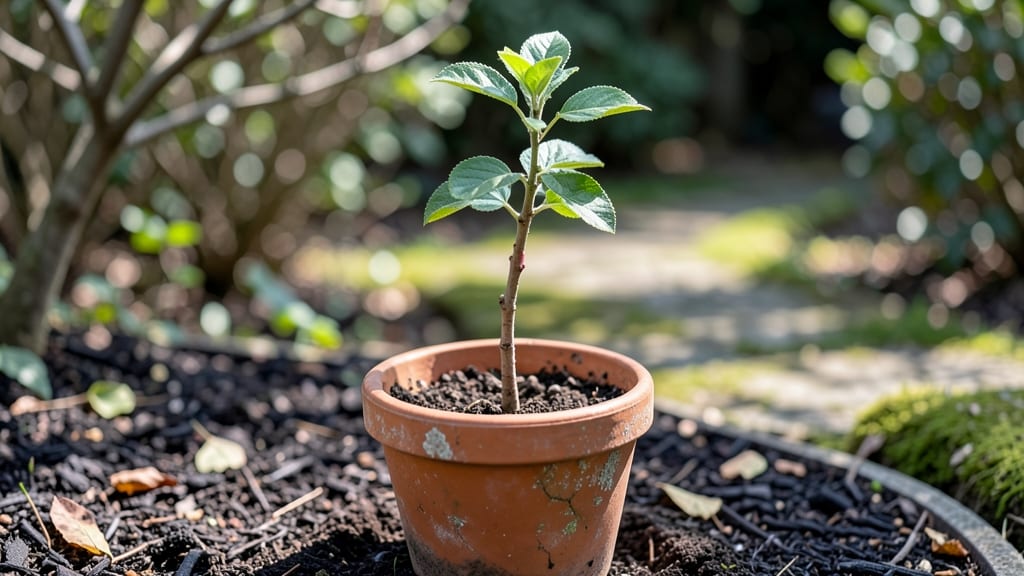
Apple tree seedling leaves reveal little about the mature fruit variety, as seeds produce unpredictable hybrids with traits differing wildly from parent trees. Look for leaf shape, serration, and color variations to spot potential differences, but expect surprises in flavor, size, and disease resistance.
Seedling leaves from apple trees are like nature's genetic roulette wheel—each one carries a unique mix of traits inherited from both parent trees through cross-pollination. 🌱 While lobed or jagged-edged leaves might hint at heirloom ancestry, they rarely guarantee the fruit's final characteristics.
Most seed-grown apples develop flavors, sizes, or disease resistance completely different from their parent varieties, which is why serious growers rely on grafting instead. The unpredictability factor alone makes seedling leaves more of a botanical curiosity than a reliable predictor of future harvests.
That said, observing leaf morphology can still offer clues about a seedling's potential hardiness or growth habits. For example, thicker leaves often suggest better drought tolerance, while serrated edges may correlate with faster growth rates—though these are far from guarantees.
The real magic (or frustration) happens when you consider how wind or insects might have carried pollen from completely unrelated trees, creating a genetic mashup that defies expectations.
💡 In This Article
- How Leaf Morphology Predicts Apple Seedling Traits
- Grafting vs. Seed-Grown Apple Trees: Best Practices
How leaf morphology predicts apple seedling traits
Apple seedling leaves act as nature's genetic blueprint, where each leaf's shape and texture reveal subtle clues about the tree's potential—but never its final fruit characteristics. The leaf morphology (shape, serration depth, and color) stems from the seed's genetic mix, which combines traits from two parent trees via cross-pollination.
For instance, a seedling with deeply lobed leaves might inherit some heirloom ancestry, but this rarely translates to fruit quality. The serration pattern (sawtooth vs. smooth edges) can hint at disease resistance, with jagged edges often correlating to tougher leaf cuticles that repel pests.
Here's what's actually happening at the cellular level: Leaf shape is determined by meristematic growth zones—the plant's growth tips—where hormones like auxin regulate cell division speed and direction. A seedling's first leaves (cotyledons) form before true leaves appear, and their structure reflects the epigenetic imprint from both parents.
For example, a Granny Smith seedling might produce glossy, dark green leaves, but its fruit could taste nothing like the parent—because only 10-20% of genetic traits determine flavor, while the rest influence growth habits, hardiness, or disease tolerance.
Color variations in seedling leaves offer another layer of prediction. A reddish or purple tint often indicates high anthocyanin content, which can signal better cold tolerance (useful for northern climates) but doesn't guarantee fruit color.
Meanwhile, yellowing or mottling may suggest nutrient deficiencies or viral exposure—traits that could affect the tree's long-term health. What most people don't realize is that leaf color shifts dramatically as the seedling matures, making early predictions even less reliable.
The key factor is understanding that seedling leaves are a snapshot of potential, not destiny—like reading a child's handwriting to predict their career path.
Cross-pollination adds another layer of unpredictability. A single apple tree can receive pollen from dozens of nearby varieties within a 1-mile radius, creating genetic combinations that defy logic.
For example, a Honeycrisp seedling might produce a tree with Fuji-like disease resistance but McIntosh-sized fruit—traits that would never appear in a grafted tree. This genetic roulette explains why 95% of seed-grown apples fail commercial expectations, despite promising early leaf traits.
The science behind this involves polygenic inheritance, where multiple genes interact unpredictably to produce traits like fruit shape or sweetness.
Practical implications for growers are clear: Leaf morphology can help eliminate weak seedlings early (e.g., those with pale, thin leaves) but should never replace grafting for consistent results.
For instance, a seedling with thick, waxy leaves might survive drought better, but its fruit could be small and tart—hardly ideal for market. The best approach is to use leaf traits as a filter, not a forecast—like using a weather app for trends rather than exact forecasts. 🌿
Consider these key factors when evaluating seedlings:
- Leaf thickness: Thicker leaves often mean better drought resistance (ideal for arid climates)
- Serrated edges: Deeper serrations may correlate with faster growth but less disease resistance
- Color intensity: Darker green leaves suggest higher chlorophyll (better photosynthesis) but don't guarantee fruit quality
The bottom line? Seedling leaves are fascinating botanical puzzles, but their patterns are more about growth potential than fruit destiny**. If you're serious about apple varieties, grafting remains the gold standard—though the thrill of discovering a rare seedling gem makes the unpredictability worthwhile. 🌟