
Lawn
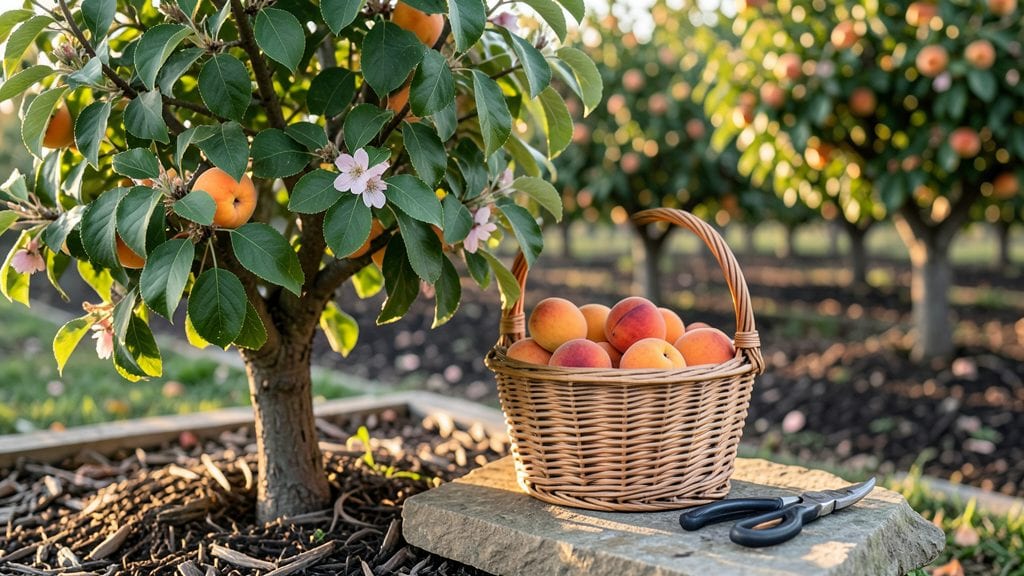
Growing an apricot tree from seed isn’t just possible—it’s surprisingly straightforward when you skip the cold stratification guesswork. 🌱 I’ve turned store-bought apricots into thriving seedlings using just a few simple steps, and you can too, without waiting months for nature to do its thing.
The key lies in breaking dormancy the right way, and once you crack that code, germination happens fast—often within 3-6 weeks.
Here’s the thing—you don’t need fancy equipment or a greenhouse. A warm windowsill, a plastic bag, and a little patience are all it takes to coax those tiny roots to life. Most people overlook the seed’s natural moisture needs, which is why so many give up after two weeks.
But with the right prep, you’ll see those first green shoots pushing through soil faster than you’d expect. The hardest part? Waiting to transplant them into real dirt.
By the time your seedlings hit 6 inches tall, they’ll be ready for their forever home in the garden. Imagine plucking fruit from a tree you grew yourself—sweet, juicy apricots that taste nothing like what you buy in stores.
The best part? These trees grow surprisingly fast, and with proper care, you could be harvesting in 5-7 years. That’s a long-term payoff for just a few minutes of work now.
Now, if you’re dreaming of a tree that bears fruit faster, I’ll share the grafting shortcut later—but for pure satisfaction, there’s nothing like watching a seedling you nurtured from scratch become a full-grown tree. Let’s get those apricot pits sprouting!
📚 In This Guide
- What you need
- Instructions
- Tips and common mistakes
- Wrapping up and next steps
What you need
- ● Apricot seeds (with pit): 1–3 fresh, plump seeds (harvested from ripe apricots—no store-bought dried seeds!)
- ● Small pots or containers: 2–3 (4–6 inches deep) with drainage holes. Plastic cups with holes punched in the bottom work too!
- ● Well-draining potting mix: 2–3 cups of a high-quality seed-starting mix (or a blend of 50% peat moss and 50% perlite/sand)
- ● Spray bottle: For gentle watering (avoid over-saturating the seeds!)
- ○ Plastic wrap or clear lid: To create a mini greenhouse effect (optional but helpful for humidity)
- ○ Heat source (optional but recommended): Seedling heat mat (set to 70–85°F)
- ● OR a sunny windowsill (south-facing, if possible)
- ● Patience & a sunny spot: Apricot seeds need 3–6 weeks of consistent warmth and light!
- ● Grow lights: LED or fluorescent bulbs (12–16 hours/day) if natural light is limited
- ● Humidity dome: A clear plastic cloche to retain moisture
- ● Fertilizer (after germination): A balanced, water-soluble fertilizer (diluted to half-strength)
- ● Notebook or app: To track seed progress, soil moisture, and temperature
- ● Apricot tree care guide: For reference once your sapling is ready to transplant!
Step-by-step instructions for germinating apricot seeds indoors
Here's how to break dormancy naturally and get those apricot seeds sprouting strong in just weeks.
🌱 Step 1: Extract and Prepare the Seeds
Start by carefully removing the pit from a ripe apricot. Crack it open with a nutcracker or hammer, then extract the single large seed inside. Rinse it thoroughly under running water to remove any remaining fruit pulp—this prevents mold from forming during germination.
Place the clean seed between two paper towels and dampen them until the towels feel moist but not dripping. Fold the towels to create a sandwich around the seed. Store this in a sealed plastic bag and place it in a warm spot, like on top of your fridge. Check daily—keep the towels damp but never soggy. You'll see a tiny root emerge in about 7-14 days.
💧 Step 2: Soak and Plant the Germinated Seed
Once the root reaches about ½ inch long, it's time to plant. Fill a small pot (at least 4 inches deep) with well-draining potting mix. Make a hole about 1 inch deep and gently place the seed root-side down. Cover lightly with soil, leaving the top half exposed.
Water gently until moisture reaches the bottom of the pot, then place it in a warm spot with bright, indirect light. Avoid direct sunlight at this stage—it can scorch the delicate seedling. Keep the soil consistently moist but never waterlogged. You'll notice the first true leaves appear in about 2-3 weeks after planting.
☀️ Step 3: Provide Light and Gradually Acclimate
When the seedling has its first set of true leaves, move it to a south-facing window or under a grow light for 12-14 hours of light daily. Apricot seedlings need plenty of brightness to avoid becoming leggy. If you notice the stem stretching toward the light or the leaves turning pale, adjust the position immediately.
After 4-6 weeks, when the seedling reaches about 6 inches tall, it's ready for its first outdoor adventure. Place it outside in a sheltered spot for a few hours each day, gradually increasing exposure over 1-2 weeks. This slow transition prevents shock and helps the plant adjust to outdoor conditions.
✂️ Step 4: Transplant and Support Growth
Once the seedling has hardened off and shows no signs of stress, transplant it into a larger pot or directly into the ground in a location with full sun. Apricot trees need plenty of space—aim for at least 20 feet apart if planting multiple trees. Water deeply after transplanting to help settle the roots.
Mulch around the base with a 2-inch layer of organic material to retain moisture and regulate soil temperature. Prune any dead or damaged leaves immediately, and keep the area weed-free. With patience, your seedling will grow into a productive apricot tree in just a few years!
Tips & tricks for germinating apricot seeds indoors
Here's what I've learned from growing apricot seeds that'll help you avoid common pitfalls and get those roots sprouting strong.
The Warmth Factor: Placing your seed setup on top of your fridge creates the perfect warm environment—around 70-75°F—without needing any special equipment. If your kitchen is cooler, consider using a seedling heat mat set to 75°F to speed up germination. I've seen roots emerge in just 5 days with consistent warmth, though the 7-14 day window accounts for normal variations.
Paper Towel Technique: The key to successful germination is keeping those paper towels consistently moist but never soggy. I like to use two layers of paper towels—this creates a better moisture barrier while still allowing airflow. After dampening, gently squeeze out excess water, then fold them to create a snug wrap around the seed. This prevents mold while maintaining the right humidity level.
Light Transition Strategy: When moving your seedling to 12-14 hours of light daily in Step 3, pay attention to the light source's heat. LED grow lights are ideal—they provide bright light without generating excessive heat that could scorch tender leaves. If using a south-facing window, rotate the pot daily so the seedling grows straight rather than leaning toward the light.
Hardening Off: The 1-2 week outdoor acclimation period is crucial for transplant success. Start with just 1-2 hours of outdoor time on day one, then gradually increase by 1 hour daily. Watch for signs of stress like wilting or yellowing leaves—these indicate the plant isn't ready for more sun exposure yet. A sheltered spot like under a patio cover works perfectly for this transition.
Pro Tips for Apricot With Seed
- Here's what I've learned from growing apricot seeds that'll help you avoid common pitfalls and get those roots sprouting strong.
- The Warmth Factor: Placing your seed setup on top of your fridge creates the perfect warm environment—around 70-75°F—without needing any special equipment.
- Paper Towel Technique: The key to successful germination is keeping those paper towels consistently moist but never soggy.
Frequently asked questions
Got questions about growing apricots from seed? You’re not alone! Here are some of the most common queries—and their answers—to help you get started with confidence.
Can you really grow an apricot tree from a seed?
Apricot seeds (pits) are viable for germination, but be patient—it can take 3-6 weeks (or longer) to sprout. The key is proper moisture, warmth, and a little patience. Just avoid eating the seed first—it contains amygdalin, which converts to cyanide in your body!
How long does it take for an apricot seed to germinate?
Germination time varies, but most seeds sprout within 3-6 weeks under ideal conditions (warmth, consistent moisture, and indirect light). If you’ve waited 8+ weeks with no signs of life, the seed may not be viable. Try another pit or check for rot.
Do I need to soak the apricot seed before planting?
Soaking isn’t required, but it can speed up germination. Place the seed in a damp paper towel or water for 24-48 hours before planting. This helps soften the hard outer shell and kickstart the process. Just don’t over-soak—mold is the enemy!
Will my seed-grown apricot tree bear fruit?
Possibly, but it’s not guaranteed! Seed-grown trees may take 5-10 years to fruit (if they do at all), and the fruit might not be true to the parent plant’s variety. For reliable, high-quality apricots, consider grafting or buying a nursery-grown tree. Patience is key!
What if my apricot seed sprouts but the seedling dies?
Seedlings are fragile! Common killers include overwatering, drafts, or pests. Keep the soil moist (not soggy), provide bright indirect light, and transplant carefully once roots appear. If the leaves yellow or wilt, adjust care immediately. Don’t give up—many growers lose their first few attempts!
Wrapping up and next steps
Growing an apricot from seed is a rewarding journey that connects you to nature’s sweet surprises! 🌱 With patience and the right techniques—like proper stratification-free methods—you’ll soon watch tiny shoots emerge, promising future fruit trees. Don’t let setbacks discourage you: even if germination takes a few extra weeks, your effort will pay off in lush, fragrant blooms.
Ready to take the next step? Plant those sprouted seeds in well-draining soil and nurture them with love. Soon, you’ll be harvesting your own apricots—one seed at a time! 🍑✨