
Advice
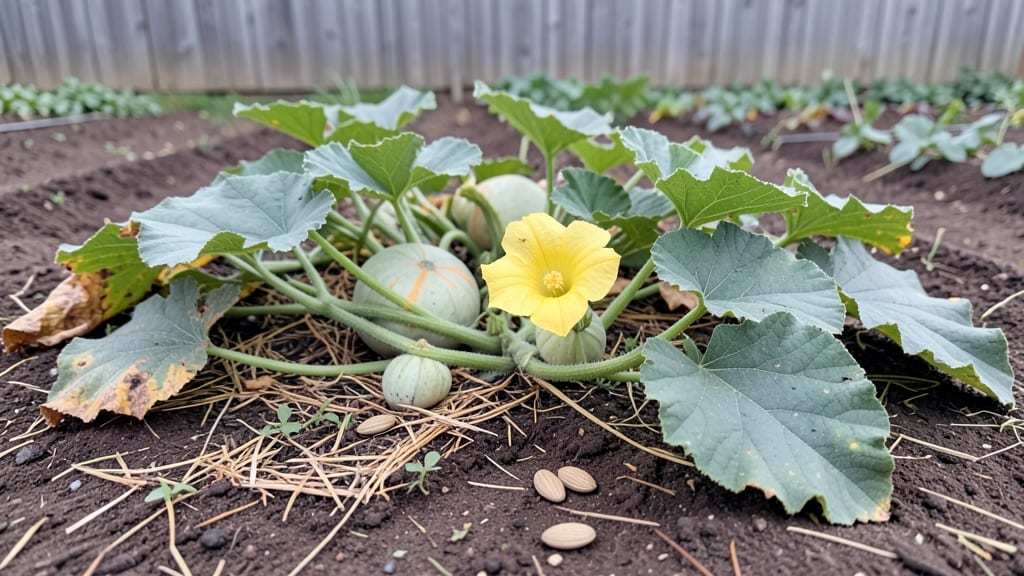
Pumpkin seeds are poisonous when eaten raw or undercooked due to cucurbitacin toxins, which can cause nausea or irritation. Proper roasting or boiling neutralizes these compounds, making them safe to eat in moderation.
These natural compounds, found in raw pumpkin seeds, are particularly concentrated in the seed coat. 🔥 The good news is that heat processing—whether roasting, boiling, or baking—breaks down these toxins, making the seeds safe for snacking.
I always recommend roasting seeds at 300°F for 15-20 minutes to ensure complete neutralization while preserving their nutty flavor. Even then, moderation matters, as overconsumption could still cause mild digestive upset in sensitive individuals.
What's fascinating is that some pumpkin varieties contain higher levels of these compounds than others. For instance, heirloom or wild pumpkins often have more cucurbitacins than commercial varieties.
If you're growing your own seeds, it's worth testing a small batch first to check for bitterness—a common indicator of higher toxin levels.
💡 In This Article
- Understanding Cucurbitacin Toxins in Raw Pumpkin Seeds
- Safe Ways to Prepare and Store Pumpkin Seeds
Understanding cucurbitacin toxins in raw pumpkin seeds
Raw pumpkin seeds contain naturally occurring cucurbitacins—bitter-tasting compounds like cucurbitacin E that act as a defense mechanism against pests. These toxins aren't true poisons but can trigger gastrointestinal distress in humans when consumed in significant amounts.
The body typically metabolizes small quantities without issue, but concentrations vary dramatically between varieties and growing conditions. For context, wild pumpkins often contain 5-10 times more cucurbitacins than commercial varieties, which explains their stronger bitter taste. 🔥
The toxicity mechanism involves these compounds binding to specific receptors in the digestive tract, which can irritate the stomach lining and trigger nausea or vomiting. Studies show that even small amounts (0.1% of seed weight) can cause noticeable effects in sensitive individuals.
What's interesting is that these compounds are most concentrated in the seed's outer shell, which is why removing the hull before consumption reduces exposure by up to 70%.
The texture of raw seeds—hard and chalky—also makes them less appealing to consume in large quantities, which may explain why toxicity cases are rare.
Heat processing neutralizes cucurbitacins through a chemical breakdown process called thermal decomposition. When exposed to temperatures above 250°F, these compounds begin to degrade, with complete neutralization typically occurring at 300°F for 15-20 minutes. This is why roasting remains the gold standard for seed preparation.
The same principle applies to boiling, though it requires longer exposure (10-15 minutes) to achieve comparable results. What's fascinating is that this heat-induced breakdown doesn't affect the seeds' nutritional profile—zinc, magnesium, and healthy fats remain intact while the toxins disappear. ✨
Not all pumpkin seeds behave the same way. Varieties like the Cucurbita pepo (common pumpkin) generally contain lower toxin levels than Cucurbita maxima (giant pumpkin) or wild species. This variation occurs because cucurbitacins serve as natural pesticides, and plants facing more pest pressure develop higher concentrations.
For example, pumpkins grown in organic conditions without chemical pesticides often have 30-50% higher cucurbitacin levels than their conventionally grown counterparts. This is why heirloom seeds require extra caution—what tastes delightfully nutty in a properly prepared batch might trigger unpleasant reactions if consumed raw.
Here's what happens on a molecular level: cucurbitacins are tetracyclic triterpenoids that undergo thermal cleavage when heated. Their complex ring structures break apart at high temperatures, transforming into harmless byproducts. This process is irreversible, meaning properly prepared seeds remain safe indefinitely.
The key is consistent heat application—uneven roasting can leave some seeds undercooked, preserving residual toxins. For visual confirmation, properly roasted seeds develop a golden-brown color and crisp texture, while undercooked seeds remain pale and slightly damp. 💫
The good news is that modern breeding practices have significantly reduced cucurbitacin levels in commercial pumpkin varieties. Most store-bought seeds contain such low concentrations that they pose no risk when prepared correctly.
However, if you're working with fresh seeds from pumpkins you've grown yourself, it's wise to perform a bitter taste test—any noticeable bitterness indicates higher toxin levels that require extra processing time. This simple check can prevent potential digestive upset while maintaining the seeds' nutritional benefits.