
Flowers
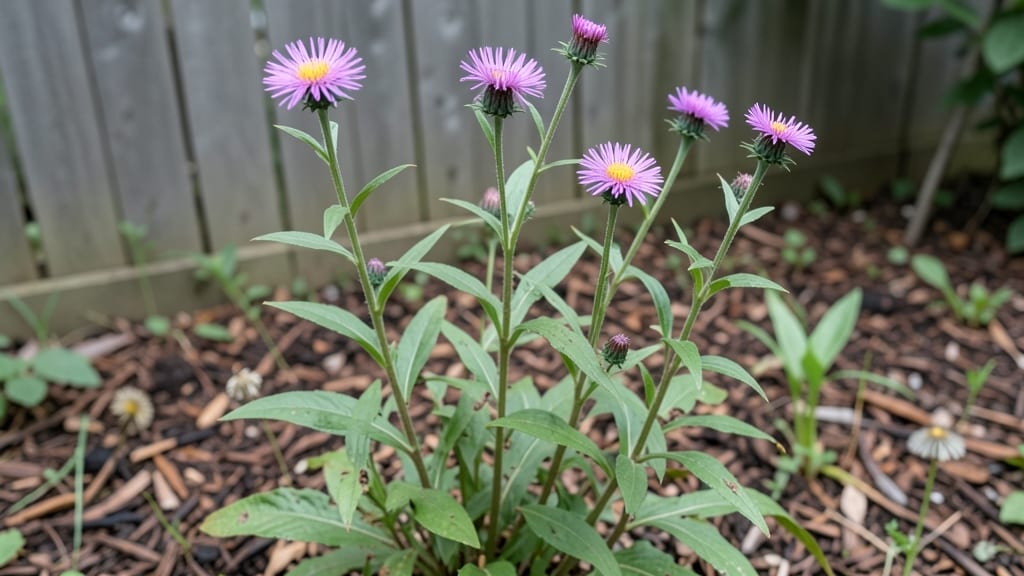
Autumn flowers seeds transform bare gardens into jewel-toned masterpieces when planted right. 🌿 I planted my first batch of autumn-blooming seeds last October, and the difference between a patchy fall display and a showstopping one came down to timing and variety.
The key is starting seeds early enough for established roots before frost, but not so early that they bolt in summer heat.
Chrysanthemums, asters, and pansies are my top three for reliable autumn color—they thrive when planted in late summer or early fall. Most varieties handle light frosts, but a thick layer of mulch keeps roots cozy through winter.
I swear by a 50-50 mix of compost and native soil to give them the nutrients they need for that second flush of blooms in late autumn.
By December, you'll have stems heavy with blooms that last weeks longer than spring flowers. The secret is deadheading spent blooms and protecting tender varieties with row covers when temperatures dip below 25°F. These plants don't just survive winter—they steal the show while everything else sleeps.
Works in zones 3-9, though southern gardeners should opt for heat-tolerant varieties like 'October Skies' chrysanthemums. The same principles apply whether you're filling containers or planting in beds—just adjust spacing for your growing space.
📚 In This Guide
- What you need
- Instructions
- Tips and common mistakes
- Wrapping up and next steps
What you need
- ● Autumn flower seeds (choose from cosmos, asters, marigolds, or chrysanthemums—pick 2-4 varieties for diversity 🌼).
- ● Well-draining potting mix (5-10 lbs, depending on container size). Look for a blend labeled for flowers or seedlings.
- ● Containers or garden beds: Containers: 6-12" deep pots (3-5 per variety) with drainage holes.
- ● Garden beds: Loose, fertile soil with good sunlight exposure (6+ hours/day).
- ● Seed-starting trays or peat pellets (if pre-sprouting indoors, 20-50 pods/trays).
- ● Watering can or spray bottle (with a fine mist setting for seedlings).
- ● Garden gloves (1 pair, for protection and comfort).
- ● Plant labels (10-20, to track varieties and planting dates).
- ● Hand trowel (for transplanting seedlings).
- ● Pruning shears (for trimming dead blooms or overgrowth).
- ● Organic fertilizer (balanced 10-10-10 or slow-release granules, 1-2 lbs).
- ● Mulch (straw or shredded leaves, 1-2 inches thick to retain moisture).
- ● Grow lights or sunlight window (if starting seeds indoors 6-8 weeks before last frost).
- ● Compost (1-2 gallons, to enrich soil with nutrients).
- ● Plant food spray (for a quick nutrient boost during blooming season).
Step-by-step instructions for planting autumn flowers from seed
Here's how to bring bold autumn blooms to life—timing and soil prep are everything.
🌱 Step 1: Choose the Right Seeds for Your Climate
Autumn flowers thrive in cooler temperatures, so select varieties that match your USDA hardiness zone. For zones 5-7, try black-eyed Susans or goldenrod, which bloom late and tolerate light frosts. Zones 8-10 can handle Mexican sunflowers or cosmos, which extend color until winter's edge.
Check seed packets for days to maturity—most autumn bloomers need 60-80 days from sowing to first flower. Start seeds indoors 8-10 weeks before your first frost date for a reliable display. I always mark my calendar with the last frost date and count backward—it’s the only way to avoid rushing or delaying.
🪴 Step 2: Prepare Containers and Seed-Starting Mix
Fill 4-inch deep seed trays or individual pots with a sterile seed-starting mix. Avoid garden soil—it’s too dense and may harbor fungi that rot tender seedlings. Moisten the mix until it’s damp like a wrung-out sponge, then let it drain for 10 minutes to settle.
Press the soil surface lightly with your fingers to create a firm seedbed. This prevents seeds from sinking too deep during watering. I like to use a flat tray to press evenly—just don’t compact it like you would for mature plants. The goal is firm enough to hold seeds in place but loose enough for roots to penetrate.
💧 Step 3: Sow Seeds at the Correct Depth
Scatter seeds thinly across the soil surface—most autumn bloomers don’t need deep planting. Lightly press them into the top ¼ inch of soil; deeper planting delays germination. Cover with a fine mist from a spray bottle until the soil looks uniformly damp but not soggy.
Label each tray immediately with the seed type and date—autumn flowers can look identical in their early stages. Place trays in a warm spot (65-75°F) with indirect light until sprouts appear. Germination can take 7-21 days, depending on the variety, so patience is key. I set a reminder to check daily, but resist the urge to move them until you see first true leaves.
☀️ Step 4: Provide Light and Harden Off Seedlings
Once seedlings emerge, move them to a south-facing window or under grow lights for 14-16 hours of light daily. Leggy seedlings (thin, stretched stems) mean they’re reaching for light—adjust the light source within 2-3 inches of the tallest plants to correct this.
Two weeks before transplanting, begin hardening off by placing seedlings outdoors in a sheltered spot for 1-2 hours daily. Gradually increase exposure over 7-10 days
Choose a site with full sun to partial shade and well-draining soil. Space seedlings 12-18 inches apart, depending on the variety—check the seed packet for specifics. Water deeply at transplanting to settle the soil and reduce stress. Mulch with 2-3 inches of organic mulch to retain moisture and regulate soil temperature. Water 1-2 inches per week, letting the soil dry slightly between waterings. Autumn flowers often bloom until frost, so avoid overwatering—soggy soil invites rot. Deadhead spent blooms regularly to encourage new flowers and extend the season. I snip off faded heads with clean shears in the morning, when dew is still present—it’s less stressful for the plant.✂️ Step 5: Transplant and Maintain for Long-Lasting Blooms
Tips & tricks for perfect autumn flower seedlings
Timing and environment are everything when growing autumn flowers from seed—these pro tips will help you avoid common pitfalls and get the most vibrant blooms.
Climate Matching: Double-check your USDA hardiness zone before selecting seeds, as some varieties like black-eyed Susans thrive in zones 5-7 while Mexican sunflowers prefer zones 8-10. I learned this the hard way when my cosmos struggled in zone 6—always verify! The 60-80 day maturity window assumes your climate can support that growth period without early frost. For cooler zones, opt for faster-maturing varieties like goldenrod.
Soil Preparation: That 10-minute drainage period after moistening your seed-starting mix is crucial—it prevents waterlogged conditions that can cause damping off disease. For extra insurance, I add a thin layer of perlite to my seed-starting mix to improve aeration. And remember, pressing the soil surface creates a firm seedbed that prevents seeds from sinking during watering, which would delay germination.
Light Management: The 14-16 hours of daily light requirement is non-negotiable for strong seedlings. If your south-facing window isn't sufficient, invest in affordable grow lights—even a simple LED bulb will work. I place my lights just 2-3 inches above the tallest seedlings to prevent legginess. For the hardening off process, those 1-2 hours of initial outdoor exposure should happen in the afternoon when temperatures are warmer, gradually building up to full sun exposure.
Transplant Timing: The 8-10 week indoor start window is your best bet for reliable autumn blooms. I mark my calendar with the last frost date and count backward to ensure I'm transplanting at the perfect time. For varieties with shorter maturity windows, you might need to start seeds even earlier. And don't forget—transplanting in the morning gives seedlings the whole day to recover before nightfall.
Pro Tips for Autumn Flowers Seeds
- Timing and environment are everything when growing autumn flowers from seed—these pro tips will help you avoid common pitfalls and get the most vibrant blooms.
- Climate Matching: Double-check your USDA hardiness zone before selecting seeds, as some varieties like black-eyed Susans thrive in zones 5-7 while Mexican sunflowers prefer zones 8-10.
- Soil Preparation: That 10-minute drainage period after moistening your seed-starting mix is crucial—it prevents waterlogged conditions that can cause damping off disease.
Frequently asked questions
Got questions about growing stunning autumn flowers from seeds? You’re not alone! Here are some of the most common queries—and their straightforward answers—to help you get started with confidence.
When is the best time to plant autumn flower seeds?
The ideal planting window depends on your climate, but most autumn-blooming seeds (like cosmos, chrysanthemums, or asters) thrive when sown 6–8 weeks before your first expected frost. For cooler regions, start indoors in late summer (August) or direct-sow in early fall. Check your seed packet for variety-specific guidelines—some love heat, others prefer mild temps!
Do autumn flowers need special soil or fertilizer?
Not necessarily! These flowers are hardy and adaptable, but they do appreciate well-draining soil rich in organic matter. Mix in compost before planting, and use a balanced, slow-release fertilizer (like 10-10-10) at the start of the season. Avoid heavy nitrogen—it encourages leafy growth over blooms. Mulch lightly to retain moisture and protect roots from temperature swings.
Can I grow autumn flowers in containers or small spaces?
Many autumn favorites, such as pansies, calendulas, or dwarf chrysanthemums, thrive in containers. Choose pots with drainage holes (at least 12 inches deep) and use a lightweight potting mix. Just ensure they get 5–6 hours of sunlight daily—even in partial shade, they’ll still deliver vibrant color. Pro tip: Trailing varieties like lobelia add height and spill beautifully over edges!
Will autumn flowers survive winter, or do I need to replant?
Most annual autumn flowers (like cosmos or zinnias) die back with frost, but perennials (e.g., asters, goldenrod, or sedum) often return year after year with proper care. For tender plants, harvest seeds before the first freeze or let them self-seed for next season. In harsh winters, add a layer of mulch (2–3 inches) to protect roots—it’s like a cozy blanket for your blooms!
What if my seeds don’t germinate? Troubleshooting tips?
Don’t panic! Seeds may fail to sprout due to old seeds, improper moisture, or temperature issues. First, check the packet’s expiration date—most seeds lose viability after 1–2 years. Ensure soil stays consistently moist (not soggy) and warm (70–75°F for most varieties). If germination is slow, try a seedling heat mat or move pots to a sunnier spot. For stubborn seeds, a light scratch with sandpaper can break dormancy!
Still stumped? Drop your question in the comments—we’re happy to help your autumn garden bloom brighter!
Wrapping up and next steps
Autumn flowers seeds bring vibrant color and joy to your garden, even as winter looms—proving that beauty thrives with the right care! 🌿 From choosing cold-hardy varieties to mastering planting techniques, you now have the tools to create a stunning, long-lasting display. Why wait? Grab those seeds, get your hands dirty, and watch your garden flourish with seasonal magic.
💡 Next step: Mark your calendar for early planting (or start indoors!) and share your progress with fellow gardeners—inspiration spreads like wildflowers! 🌸