
Lawn
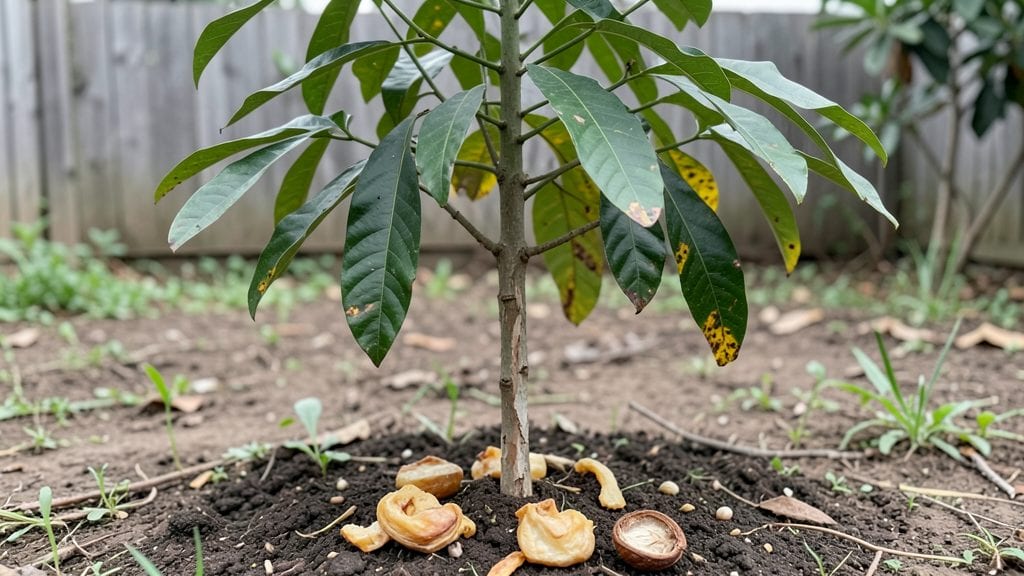
Removing a bad mango seed before it turns your fruit into a chewy mess is easier than you think—and it only takes five minutes.
I’ve ruined more mangoes than I’d like to admit by ignoring that telltale brown spot, but once you learn this trick, you’ll never waste another slice. The secret lies in spotting the seed’s early warning signs before they ruin the whole fruit.
Most people assume a bad seed means the whole mango is bad, but that’s not true. A healthy mango with a failing seed still tastes sweet and juicy—you just need to know how to cut around the problem.
Start by pressing gently near the seed; if the flesh gives way like overripe melon, that’s your cue to act fast. The goal is to remove just the bad part while keeping the good fruit intact.
Once you make the cut, you’ll be left with perfectly smooth, seedless slices that taste just as vibrant as store-bought. No one will guess you fixed a "bad" mango—it’s that foolproof.
The best part? This method works for any mango variety, whether you’re dealing with a single fruit or a whole bowl.
If you’re growing your own mango trees, this trick also helps identify viable seeds before planting. A firm, plump seed usually means good germination potential, while a soft or shriveled one is a no-go. Save yourself the disappointment and test seeds this way before committing to a new tree.
Hidden Flaws in Mango Seeds
Mango seeds—those hard, brown kernels at the heart of your favorite tropical fruit—can be a gardener’s dream or a frustrating disappointment. When they fail to sprout or grow into healthy plants, it’s often due to hidden issues lurking beneath the surface.
Understanding these flaws helps you avoid wasted effort and ensures you’re planting seeds with the best chance of success.
Not all mango seeds are created equal. Some carry genetic mutations that prevent them from germinating or growing into viable plants. These defects can stem from:
- Self-pollination issues: Mango trees are often self-incompatible, meaning they may not produce fertile seeds if pollination isn’t cross-pollinated by bees or wind. Seeds from store-bought mangoes (often grown from grafts, not seeds) are especially prone to this.
- Inbreeding depression: If a mango tree is grown from a seed that’s already a weak or diseased offspring, its seeds may inherit poor viability. This is common in home-grown mangoes where no selective breeding occurs.
- Dormancy genes: Some mango varieties have seeds with deep dormancy, requiring scarification (scratching the seed coat) or stratification (cold treatment) to break dormancy. Without these steps, the seed may never sprout.
Actionable fix: Source seeds from healthy, cross-pollinated mango trees (like those from local orchards) or test multiple seeds—only about 30-50% of store-bought mango seeds are viable.
Seeds aren’t immune to the same threats that plague mature plants. Fungal infections, bacterial rot, or even insect larvae can compromise a seed’s ability to grow. Common culprits include:
- Fungal infections (e.g., Aspergillus, Fusarium): These fungi thrive in damp conditions, often infecting seeds during storage or while still inside the fruit. Infected seeds may appear moldy, discolored, or emit a foul odor.
- Bacterial soft rot (Erwinia species): If the mango fruit rots before the seed is extracted, bacteria can invade the seed’s embryo, killing it before germination.
- Insect damage: Weevils or beetles may lay eggs inside the fruit, and their larvae can burrow into the seed, hatching into a meal for the emerging plant.
Actionable fix:
- Inspect seeds for soft spots, mold, or tiny holes before planting.
- Soak seeds in a 1% bleach solution (1 part bleach to 9 parts water) for 10 minutes to disinfect the surface.
- Store seeds in a cool, dry place (like a sealed container in the fridge) to prevent fungal growth.
Mango seeds are living organisms, and like all living things, they degrade over time. Exposure to heat, moisture, or improper handling can shorten their lifespan dramatically. Here’s how storage fails seeds:
| Problem | Effect on Seed | Solution |
|---|---|---|
| High humidity | Encourages fungal growth and accelerates decay | Store seeds in a paper towel-lined container with a desiccant (like silica gel) |
| Extreme heat | Speeds up metabolic processes, exhausting the seed’s energy reserves | Keep seeds in a cool, dark place (50–60°F)—never in direct sunlight |
| Long-term storage (>6 months) | Reduces germination rates due to lipid peroxidation (fat breakdown in the seed) | Plant seeds within 3–4 months of extraction for best results |
Pro tip: 💡 If you must store seeds long-term, dry them completely (air-dry for 2–3 days) and refrigerate in an airtight container with a moisture absorber.
Pesticides, herbicides, or even residual cleaning agents on mangoes can leave toxic residues on seeds. While the fruit’s flesh may be rinsed clean, the seed often retains harmful chemicals:
- Systemic pesticides (e.g., neonicotinoids): These are absorbed into the plant’s tissues, including the seed. They can inhibit root growth or kill the embryo entirely.
- Fungicides (e.g., thiabendazole): Commonly used on mangoes to prevent post-harvest rot, these chemicals can delay germination or stunt seedling development.
- Wax coatings: Many commercial mangoes are treated with food-grade waxes to extend shelf life. While safe to eat, these coatings can smother seeds if not removed.
Actionable fix:
- Rinse seeds thoroughly under running water for 5 minutes to remove surface residues.
- Soak seeds in distilled water for 24 hours, changing the water 2–3 times to leach out chemicals.
- Avoid using seeds from organic mangoes treated with copper-based fungicides—these can also harm germination.
By identifying these hidden flaws, you can pre-screen seeds and give your mango seedlings the best start. Next, we’ll cover how to test seed viability before planting—so you don’t waste time on duds!
Quick Fixes for Smooth Mango Fruit
Now that you understand why mango seeds can turn bad—whether due to pests, disease, or poor storage—it’s time to tackle the problem head-on. Below are practical solutions tailored to each cause, along with prevention tips to keep your mangoes seed-smooth and delicious.
If weevils, beetles, or fruit flies have invaded your mango seeds, act fast to prevent further damage.
🪲 Remove Infested Seeds Immediately - Step 1: Inspect the seed.
If you see holes, larvae, or a foul smell, discard it immediately—don’t risk spreading pests to other mangoes. - Step 2: For seeds with early signs of infestation (tiny holes, sawdust-like frass), soak them in warm, soapy water for 10 minutes to suffocate larvae. - Step 3: Rinse thoroughly and dry in sunlight for 2–3 hours to kill any remaining pests.
🌿 Natural Pest Repellents
- Neem Oil Spray: Mix 1 tsp neem oil + 1 tsp dish soap + 1 quart water.
Spray around mango trees and stored seeds to deter pests. - Cedar or Clove Storage: Place cedar blocks or cloves near stored mango seeds—their scent repels insects naturally.
💡 Pro Tip:
Store seeds in airtight glass jars with a food-grade silica packet to absorb moisture and deter pests long-term.
If mold, rot, or bacterial softening has set in, sterilization and proper drying are key.
🧼 Sanitize & Sterilize Seeds
- Step 1: Soak seeds in a 1:10 bleach-water solution (1 part bleach to 10 parts water) for 5 minutes to kill fungi and bacteria.
- Step 2: Rinse thoroughly with clean water and pat dry with a paper towel.
- Step 3: Sun-dry for 4+ hours—UV rays help prevent regrowth.
🌡️ Proper Storage to Prevent Rot
- Use a Dehumidifier: If storing indoors, keep humidity below 60% to prevent mold.
- Ventilated Containers: Store seeds in mesh bags or breathable baskets to allow airflow.
- Refrigerate (If Needed): For long-term storage, keep seeds in the crisper drawer (not freezer)—they’ll last 3–6 months without spoiling.
✨ Emergency Fix for Soft, Rotting Seeds
If a seed is already mushy:
- Cut out the bad parts with a sterile knife.
- Dust with cinnamon powder (natural antifungal) before resealing.
- Store separately to avoid cross-contamination.
If seeds are dry, cracked, or failed to germinate, they may still be salvageable.
💧 Rehydration & Scarification
- Soak in Warm Water: Place seeds in a bowl of lukewarm water for 24 hours to soften the shell.
- Light Sandpaper Scratch: If the seed coat is too hard, lightly sand the rough side to help water penetrate.
- Plant in Moist Potting Mix: Bury 1 inch deep in a pot with well-draining soil and keep moist (not soggy).
🌱 Speeding Up Germination
- Use a Heat Mat: Place the pot on a seedling heat mat (70–80°F) to mimic tropical conditions.
- Cover with Plastic Wrap: Traps moisture and speeds up sprouting (remove once sprouts appear).
- Be Patient: Mango seeds can take 2–4 weeks to germinate—don’t overwater!
💡 Pro Tip:
If germination fails, test viability by cutting open a seed—if the inside is firm and white, it may still be good. If it’s dark, mushy, or hollow, compost it.
Stop bad seeds before they start with these easy habits:
| Cause | Prevention Method | When to Do It |
|---|---|---|
| Pests | Spray neem oil every 2 weeks on trees | Spring to Fall |
| Fungal Rot | Store seeds in cool, dry places (50–60°F) | After harvest |
| Bacterial Soft Rot | Wash mangoes in vinegar solution (1:3 water) before storing | Post-purchase |
| Dry Cracking | Keep humidity below 65% in storage | Year-round |
| Poor Germination | Test seeds before planting (float test) | Before sowing |
Final Thought: A little early action—whether it’s sanitizing, storing smart, or repelling pests—can save your mango seeds from going bad. Act fast, stay consistent, and your mangoes (and seeds!) will stay fresh and pest-free. 🌱🍈
Frequently asked questions
How can I tell if a mango seed is bad before planting?
Check for soft spots, cracks, or foul odors—these are red flags. A healthy seed should feel firm and weigh proportionally to its size. Also test viability by cutting it open: a good seed has a white, moist center, while a bad one will be dark or hollow.
Why do some mango seeds fail to sprout even when they look fine?
Store-bought mangoes often come from grafted trees, so their seeds may carry genetic incompatibility or dormancy traits. Even healthy-looking seeds can lack the energy to germinate if stored too long or exposed to heat. Try soaking seeds in warm water for 24 hours to break dormancy.
Can I still use a mango with a bad seed for eating?
Yes! If the seed is soft or rotten but the surrounding flesh is firm and ripe, simply cut around the bad seed and enjoy the rest. The fruit’s flavor won’t be affected—just avoid the compromised area.
What’s the best way to store mango seeds long-term?
Keep seeds in a cool, dry place (50–60°F) in an airtight container with a moisture absorber (like silica gel). Avoid refrigeration unless necessary—temperature fluctuations can reduce viability. For best results, plant within 3–4 months of extraction.
How do I prevent pests from ruining my mango seeds?
Use neem oil spray (1 tsp neem + 1 quart water) on stored seeds or trees, and store seeds in airtight glass jars with cedar blocks. Inspect seeds regularly for holes or larvae—discard any compromised seeds immediately.