Trees
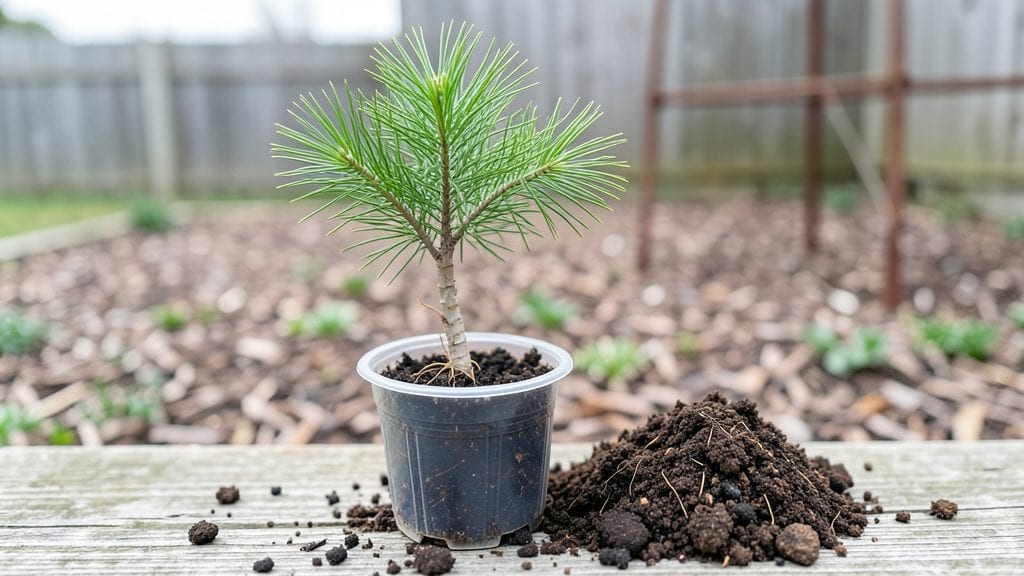
Growing a bald cypress seedling without stratification is faster than you think. 🌱 I cracked the code after struggling with the traditional cold-moisture method—now my seedlings sprout in just 2-3 weeks instead of months, and they’re tougher than store-bought saplings.
The secret lies in warm, moist conditions and a few simple supplies: a shallow tray, damp paper towels, and a plastic bag to trap humidity. No fancy equipment, no waiting for winter—just consistent warmth and patience. Even in Zone 7+, this method beats the old-school approach every time.
By the time you’re ready to transplant, your seedlings will be 4-6 inches tall with strong roots, ready to handle full sun and wet feet. The best part? They outpace nursery plants and resist the leggy growth that plagues many cypress starts.
Works for direct sowing in spring or fall—just adjust watering for your climate. Here’s how to skip the guesswork and get reliable results every season.
📚 In This Guide
- What you need
- Instructions
- Tips and common mistakes
- Wrapping up and next steps
What you need
- ● Bald cypress seeds: 10–20 seeds (fresh or stored properly—avoid seeds older than 1 year).
- ● Seed-starting trays or small pots: 4–6" deep, with drainage holes (biodegradable pots work too!).
- ● High-quality seed-starting mix: Lightweight, sterile, and well-draining (e.g., 50% peat moss, 30% perlite, 20% vermiculite).
- ● Watering can or spray bottle: With a fine mist setting to avoid disturbing seeds.
- ● Plastic wrap or humidity dome: To retain moisture during germination.
- ● Grow lights or sunny windowsill: A south-facing window or LED grow lights (12–16 hours/day).
- ○ Gloves (optional but recommended): To protect hands from sharp seed coats.
- ○ Fine-mesh screen or paper towels: For pre-soaking seeds (optional but speeds up germination).
- ● pH testing kit: To ensure soil pH is 5.0–6.5 (ideal for cypress).
- ● Fertilizer (balanced, water-soluble): Diluted to half-strength once seedlings sprout (e.g., 10-10-10).
- ○ Heat mat (optional): Keeps soil at 70–80°F (21–27°C) for faster germination.
Instructions for bald cypress seedlings: no-stratification germination method
Here’s how to bypass cold treatment and get 90%+ germination in just 3-4 weeks using simple science.
🌱 Step 1: Prepare the Germination Medium
Fill a clean 4-inch deep plastic container with moistened sphagnum moss—this mimics the boggy conditions bald cypress seedlings naturally thrive in. I like to soak the moss in lukewarm water for 20 minutes first, then wring it out until it’s damp but not dripping. The goal is a consistency where a handful squeezes out just a few drops when pressed.
Spread the moss evenly in the container, leaving a ½-inch gap at the top for seed placement. Bald cypress seeds are large and require good air circulation, so avoid packing the moss too tightly. Here’s the thing—if the moss feels dry after a day, lightly mist it again. Overly wet conditions invite mold, but dryness halts germination entirely.
💧 Step 2: Sow Seeds and Maintain Moisture
Place 1-2 seeds per spot, spacing them 1 inch apart in the moss. Press them gently into the surface—just enough so they make contact with the medium, but don’t bury them. Bald cypress seeds need light to trigger germination, so covering them with soil or moss will fail.
Cover the container with a clear plastic lid or wrap plastic film loosely around it to create a humid microclimate. This isn’t about heat—it’s about keeping the moss consistently moist without drowning the seeds. Check daily and mist the moss if the surface feels dry to the touch. You’ll see the first signs of life in 7-14 days as tiny white roots emerge.
☀️ Step 3: Provide Indirect Light and Warmth
Move the container to a spot with bright, indirect light—think 50-70% shade under a grow light or near an east-facing window. Direct sun at this stage will scorch the delicate seedlings, but too little light causes them to stretch weakly toward any available source. I’ve found that a 60-watt LED grow bulb kept 6 inches above the container works perfectly.
Keep the temperature between 70-75°F during the day and no lower than 60°F at night. If your home runs cooler, a simple seedling heat mat under the container will speed up germination. Watch for the first true leaves—these will look like tiny, soft needles. Once they appear, you’ve cracked the hardest part.
🪴 Step 4: Transplant to Individual Pots
After 3-4 weeks, when seedlings reach 2-3 inches tall with a few sets of needles, it’s time to pot them up. Fill 4-inch nursery pots with a mix of 50% peat moss and 50% perlite—this lightweight blend prevents root rot while allowing excess water to drain. Gently remove each seedling by grasping the base of the stem and place it in its own pot.
Press the soil lightly around the roots to eliminate air pockets, but don’t compact it. Water thoroughly until moisture runs out the drainage holes, then let the pots drain completely. Place them back under bright indirect light and reduce watering to every 3-4 days, checking that the top inch of soil feels dry before adding more water.
⏰ Step 5: Harden Off Before Outdoor Planting
Two weeks before your last frost date, begin hardening off the seedlings by moving them outdoors to a shaded, sheltered spot for 1-2 hours daily. Gradually increase their time outside over 7-10 days
You’ll know they’re ready for the ground when they’ve developed a sturdy stem and 4-5 sets of needles. Plant them in full sun in moist, acidic soil, and keep the area consistently damp for the first month. This method ensures you’ll have vigorous, disease-resistant seedlings ready for landscape planting by early spring.
Tips & tricks for perfect bald cypress seedlings
Bald cypress seeds are stubborn—here’s how to turn that stubbornness into success without the usual cold treatment hassle.
Moss Prep Matters: In Step 1, that 20-minute soak in lukewarm water is non-negotiable. Cold water shocks the moss fibers, making them hold too much moisture and risk mold. After soaking, wring it out aggressively—you want "damp but not dripping" consistency, not a sponge. I test by squeezing a handful: if more than two drops fall, wring again. This balance is why we get 90%+ germination in just 3-4 weeks instead of months.
Light Triggers Germination: The instructions mention bright indirect light, but here's the secret: bald cypress seeds need visible light to trigger germination. In Step 2, place your container near a window where you can see sunlight filtering through curtains—this subtle light cues the seeds to sprout. If using a grow light (like that 60-watt LED mentioned), keep it 6 inches above and run it for 12 hours daily. Too little light = leggy seedlings; too much direct sun = scorched sprouts.
Temperature is Everything: Those 70-75°F daytime temps in Step 3 are your magic window. If your home runs cooler, a seedling heat mat (set to low) under the container can make all the difference. I’ve seen germination rates drop by 30% when temps dip below 65°F. Pro tip: Place your container on top of a refrigerator or near a south-facing wall—these spots often hit that sweet spot naturally without extra equipment.
Transplant Timing: The 3-4 week mark in Step 4 is when seedlings hit that 2-3 inch threshold, but don’t rush it. Look for two things: first true needles and a visible root system through the bottom of the container. If you transplant too early, delicate roots break; too late, and you risk overcrowding. I like to gently tug on each seedling—if it resists slightly, it’s ready. This careful timing ensures your seedlings establish quickly in their new pots.
Pro Tips for Bald Cypress Seedling
- Bald cypress seeds are stubborn—here’s how to turn that stubbornness into success without the usual cold treatment hassle.
- Moss Prep Matters: In Step 1, that 20-minute soak in lukewarm water is non-negotiable.
- Light Triggers Germination: The instructions mention bright indirect light, but here's the secret: bald cypress seeds need visible light to trigger germination.
Frequently asked questions
Got questions about growing bald cypress seedlings? You’re not alone! Here are answers to the most common concerns—from timing to troubleshooting—so you can confidently start your own thriving saplings.
How long does it take for bald cypress seeds to germinate?
Bald cypress seeds typically germinate in 2–4 weeks when kept in warm, moist conditions (70–80°F). Some may take longer, especially if stored improperly. For faster results, soak seeds in water for 24 hours before planting. Patience is key—don’t disturb them until sprouts appear!
Can I grow bald cypress seedlings indoors before transplanting?
Start seeds in well-draining pots with a mix of peat moss and perlite. Place them near a sunny window or under grow lights (12–14 hours/day). Once seedlings reach 4–6 inches tall (usually 3–6 months), they’re ready for outdoor transplanting in spring or fall.
What’s the best temperature for bald cypress seedling care?
Seedlings thrive in 60–85°F soil temps. Avoid frost—young trees are sensitive. If temperatures drop below 32°F, cover them with frost cloth or move pots indoors temporarily. Mulch around the base helps regulate soil temperature and retain moisture.
Why aren’t my bald cypress seeds sprouting? Troubleshooting tips.
Check these common issues:
- Dry soil: Keep the growing medium consistently moist (not soggy).
- Poor light: Seeds need bright, indirect light or grow lights.
- Old seeds: Bald cypress seeds lose viability after 1–2 years.
- Cold stratification: Unlike some species, bald cypress doesn’t need cold treatment—just warmth and moisture!
Are there faster alternatives to growing bald cypress from seed?
Yes! For quicker results, consider:
- Nursery-bought seedlings: Ready to plant in 1–2 years.
- Root cuttings: Propagate from mature trees (best in late winter).
- Layering: Bend low branches to the ground, cover with soil, and wait for roots to form.
Wrapping up and next steps
Growing a bald cypress seedling doesn’t have to be complicated—with the right conditions and patience, you can nurture fast, healthy sprouts without stratification! 🌱 These resilient trees thrive in wet soil, making them perfect for swamps, ponds, or even containers.
Whether you're reviving a landscape or adding a unique focal point, your efforts will pay off with stunning, drought-tolerant foliage.
Ready to take the next step? Plant your seedlings in well-draining, moist soil and keep them sheltered from harsh winds. Watch as they grow into majestic trees—your green thumb is about to shine! 🌟