
Lawn
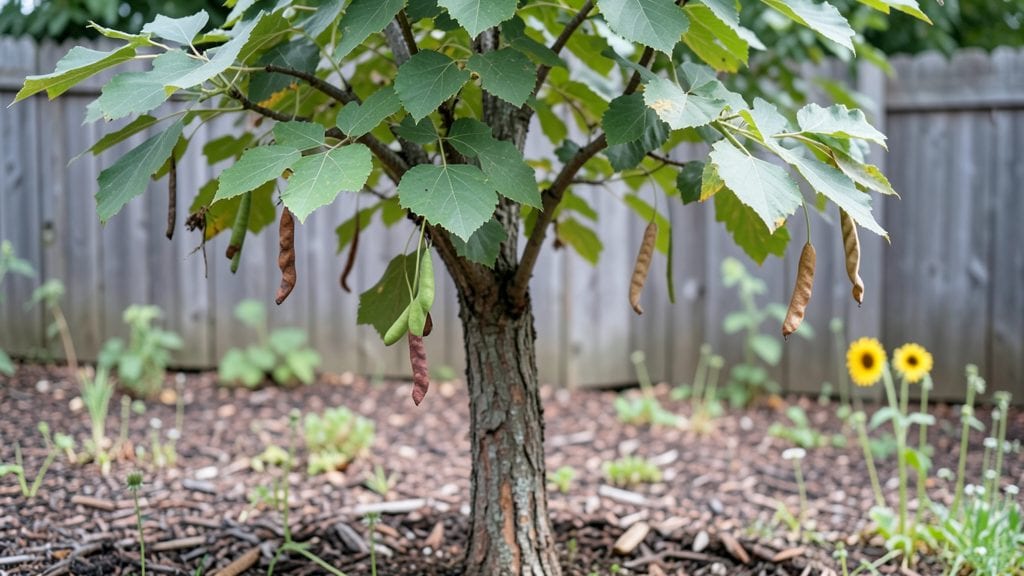
Boxelder seed pods can turn your yard into a flying carpet of mess by fall. 🌿 I’ve spent years dealing with the sticky, helicopter-like pods that clog gutters, stain driveways, and make cleanup feel like a losing battle—but there’s a silver lining.
These same trees can become a privacy screen in just 3 years if managed right.
The problem isn’t the tree itself—it’s how we handle the pods. They spread aggressively, but with the right pruning schedule and ground cover, you can keep them contained while enjoying shade and natural screening.
The key is timing: prune in late winter before buds swell, and mulch heavily to suppress new seedlings.
By spring, you’ll notice fewer pods drifting everywhere, and your tree will focus energy on dense foliage instead of reproduction. The trade-off? A yard that looks intentional, not overrun. Plus, repurposing the pods as mulch or compost turns a nuisance into a resource.
Works for urban lots, suburban backyards, or rural properties—just adjust pruning intensity based on space. Here’s how to reclaim your yard without sacrificing the tree’s benefits.
Nature’s Reproductive Strategy
Boxelder trees (Acer negundo) produce those iconic winged seed pods as part of a highly efficient survival tactic—one that ensures their next generation thrives. Understanding why these pods appear in such abundance helps explain their persistence in your yard. Here’s the science behind it:
Boxelder trees rely on wind dispersal to spread their seeds far and wide. Each pod contains two samaras (the winged seeds), which twist as they fall, creating a slow, spiraling descent.
This design maximizes their chances of landing in fertile soil away from the parent tree—reducing competition for sunlight, water, and nutrients. 🌬️
Why it matters: Without this adaptation, boxelders would struggle to colonize new areas. Their pods are essentially nature’s way of ensuring genetic diversity and reducing overcrowding.
Boxelder trees mature quickly—often within 3–5 years—and produce seed pods as early as age 5. This fast lifecycle is a survival advantage in disturbed or urban environments, where slower-growing species might not establish roots before competition takes over.
Key factors driving this:
- Pioneer species trait: Boxelders thrive in open spaces (like newly cleared lots or construction sites) where sunlight is abundant.
- Drought tolerance: Their deep root systems and ability to drop leaves early in dry spells help them survive harsh conditions.
- High seed production: A single tree can drop thousands of pods per year, increasing the odds that at least some will find suitable growing conditions.
Boxelders are wind-pollinated, but they also rely on insects (like bees and flies) for occasional cross-pollination. While not their primary method, this hybrid approach boosts genetic variability, leading to hardier offspring. 🐝
What triggers pod production?
- Spring blooms: Trees release pollen in early spring, and successful fertilization leads to seed development by summer.
- Environmental cues: Long daylight hours and warm temperatures signal the tree to invest in seed production rather than just foliage.
- Resource allocation: If a tree is healthy and well-nourished (e.g., in loose, well-draining soil), it prioritizes seed production over other growth functions.
Seed pod production isn’t random—it’s tied to seasonal and environmental factors:
| Factor | Impact on Pod Production |
|---|---|
| Water availability | Drought stress can reduce pod numbers, but consistent moisture (like spring rains) boosts seed set. |
| Sunlight exposure | Trees in full sun produce more pods than those in shade, as energy is diverted to reproductive growth. |
| Soil nutrients | Poor soil? The tree may produce fewer but larger pods. Rich soil leads to higher quantities of smaller pods. |
| Pest/disease pressure | Healthy trees under minimal stress (e.g., no aphid infestations) allocate more resources to seeds. |
If you notice pods concentrated in one area, it’s likely because:
- The tree is young (first few years of maturity).
- That branch received optimal sunlight.
- The tree is compensating for poor soil or competition.
Actionable insight: If you’re using boxelders as a privacy screen, prune in late winter to redirect energy toward vertical growth (and fewer pods) in the following season. ✂️
Practical ways to manage seed pods
Dealing with boxelder seed pods can feel like a never-ending battle, but with the right strategies, you can regain control of your yard while still enjoying the benefits of these fast-growing trees.
Below are targeted solutions to address common issues—whether it’s overwhelming debris, invasive spread, or unwanted seed germination—along with prevention tips to keep your lawn tidy and your privacy screen thriving.
If your lawn is turning into a seed pod carpet, the first step is removal. These pods don’t decompose easily, so manual cleanup is key.
🔥 Remove Pods Before They Spread
- 🍳 Sweep or Rake Regularly: Use a leaf blower, rake, or even a broom to gather pods into piles. Focus on driveways, sidewalks, and under the tree.
- 👨🍳 Bag and Dispose: Place collected pods in thick trash bags (they’re lightweight but bulky) and dispose of them in yard waste or compost only if you’ve confirmed they’re free of pests/diseases.
- 🥘 Mulch Strategically: If you’re okay with some natural decomposition, mulch pods in place under the tree (but avoid thick layers, which can smother grass).
💡 Prevention Tip
Install a wide drop cloth or tarp under the tree in early fall (when pods ripen) to catch falling debris. Shake the cloth weekly to prevent buildup.
Boxelder seeds germinate quickly, leading to unwanted saplings. Here’s how to stop them in their tracks.
🔪 Prevent Germination with Barriers
- 🌡️ Use Landscape Fabric: Lay down heavy-duty landscape fabric in areas where you don’t want seedlings. Secure it with stakes or rocks to block sunlight and seed contact with soil.
- 🎯 Pre-Emergent Herbicide (Spot Treatment): Apply a vinegar-based or corn gluten meal pre-emergent in early spring to inhibit seed growth. Avoid overapplying—this targets seeds, not established plants.
💡 Prevention Tip
If you’re planting grass or ground cover, sow seeds immediately after removing pods. A dense lawn or mulch layer chokes out seedlings before they take root.
If your boxelder is producing too many pods, it may need a little guidance to focus its energy elsewhere.
⏰ Prune for Balance
- 🔥 Trim in Late Winter: Prune branches that produce excessive pods to redirect the tree’s energy toward healthier growth. Remove up to 25% of the canopy if needed.
- 👨🍳 Thin Out Dense Areas: Focus on vertical pruning—cutting back lower branches to improve airflow and reduce pod-heavy limbs.
💡 Prevention Tip
Fertilize in early spring with a balanced, slow-release fertilizer (like 10-10-10) to encourage leafy growth over seed production. Avoid high-nitrogen fertilizers in fall, which can stimulate late-season pod development.
If seed pods are a symptom of a larger problem (like aphids, scale insects, or fungal issues), address the root cause first.
🌡️ Treat Infestations
- 🔥 Horticultural Oil Spray: For soft-bodied pests (like aphids), spray the tree with neem oil or insecticidal soap in early spring and late summer.
- 🎯 Fungal Issues: If pods appear discolored or mushy, treat with a copper fungicide and prune affected branches.
💡 Prevention Tip
Keep your tree well-watered but not soggy—boxelders are drought-tolerant but thrive with deep, infrequent watering. This reduces stress, making them less susceptible to pests.
With these strategies, you can enjoy your boxelder’s privacy benefits without the seed pod chaos. Consistency is key—stay proactive with removal, pruning, and prevention to keep your yard looking its best! 🌳✨
Frequently asked questions
Why do boxelder trees produce so many seed pods?
Boxelders rely on wind dispersal to spread their seeds widely, creating those iconic winged pods. A single tree can drop thousands annually—this aggressive reproduction helps them colonize new areas quickly, especially in disturbed or urban environments where sunlight is abundant.
How can I stop seed pods from taking over my yard?
Start with regular removal using a leaf blower or rake, then bag and dispose of pods weekly. For prevention, lay down landscape fabric in problem areas or apply a vinegar-based pre-emergent herbicide in early spring to block germination.
Will pruning reduce the number of seed pods next year?
Yes! Prune in late winter to remove pod-heavy branches and redirect the tree's energy toward leafy growth. Focus on thinning dense areas and avoid high-nitrogen fertilizers in fall, which can stimulate more seed production.
Are boxelder seed pods harmful to pets or wildlife?
While not toxic, the pods can pose hazards. Sharp edges may injure pets, and birds/squirrels may hoard seeds, leading to unwanted seedlings. Keep your yard clear to prevent both risks—especially around children's play areas.
Can I compost boxelder seed pods?
Only if they're pest-free! Fresh pods may contain viable seeds that could sprout in your compost pile. For safe composting, dry pods completely first or use them as mulch under the parent tree (where they originated).