
Lawn
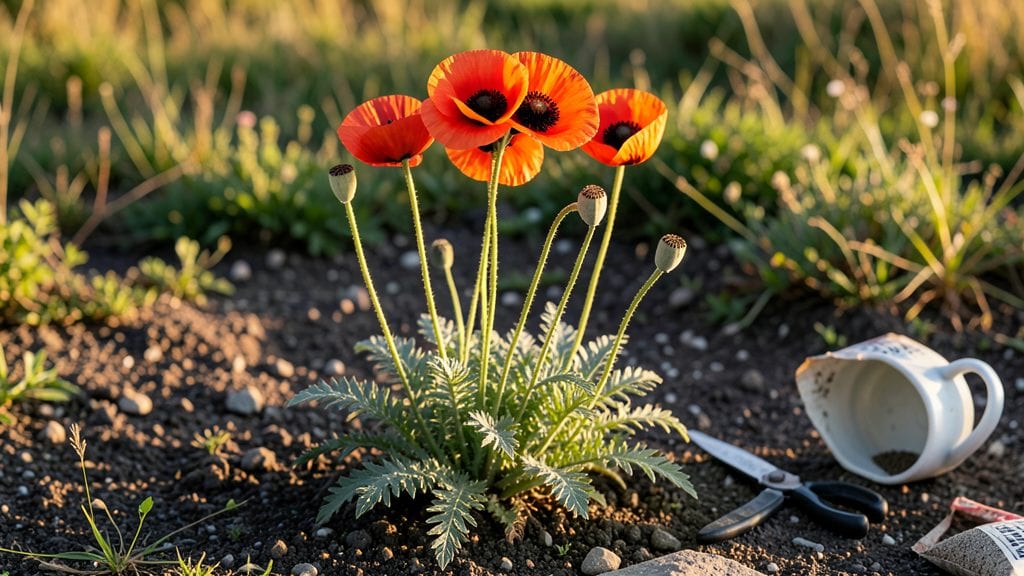
Growing bread seed poppies transforms your yard into a sunlit meadow that hums with bees and butterflies year-round. 🌻 I planted mine last October in a forgotten corner of the garden, and now they self-seed like crazy—tall stems, delicate blooms, and seeds that pop open like tiny treasure chests.
The key isn’t just dropping seeds; it’s timing them right, prepping the soil, and letting them spread naturally without over-managing.
You’ll need a sunny spot with well-draining soil—these poppies hate soggy feet—and a light hand with water. Most people overwater, thinking they’re helping, but bread seed poppies thrive on neglect once established.
The first year is all about getting them rooted; after that, they’ll multiply like wildfire, filling gaps with their cheerful faces. Even better?
The seeds are edible (when properly dried), though check local laws first—they’re the same species as opium poppies, but cultivated varieties are legal for ornamental and culinary use.
By late spring, you’ll have a meadow that sways in the breeze, with blooms in shades of pink, white, and deep red. The seeds ripen in pods that split open dramatically, scattering fresh poppies for next year’s show.
It’s low-maintenance beauty that keeps giving, with the added bonus of supporting pollinators when many other flowers have faded. The only mistake you can really make is planting too late—get them in the ground before your first frost for the best start.
Works in meadows, borders, or even containers—just give them space to stretch their legs. Once you see how effortless they are, you’ll wonder why you didn’t try them sooner. Here’s how to get started without the guesswork.
📚 In This Guide
- What you need
- Instructions
- Tips and common mistakes
- Wrapping up and next steps
What you need
- ● Bread seed poppy seeds (Papaver rhoeas): 1–2 lbs (or ~2–4 oz per 10 sq ft, depending on desired density). Opt for organic, untreated seeds for best results.
- ○ Wildflower seed mix (optional but recommended): 1–2 lbs total, including native grasses and flowers like clover, cosmos, or yarrow for diversity. Aim for a 20–30% poppy ratio for balanced beauty.
- ● Prepped soil or growing medium: For in-ground planting: Loosen top 4–6 inches of soil, removing weeds and debris. Amend with compost (1–2 inches) for fertility.
- ● For containers: Use a well-draining potting mix (e.g., 60% peat/compost, 30% perlite, 10% sand).
- ● Watering can or hose with a gentle spray nozzle: Essential for consistent moisture without disturbing seeds.
- ● Garden rake or hoe: For light soil leveling and seed coverage.
- ● Seed spreader (handheld or broadcast): Saves time and ensures even distribution. A $15–$30 manual spreader works great for small areas.
- ● Row marker or string: Helps outline planting zones for neat borders.
- ● Mulch (straw or shredded leaves): ¼-inch layer to retain moisture and suppress weeds (apply after germination).
- ● Bird netting (fine mesh): Temporary protection for seeds if birds or squirrels are a nuisance.
- ● Garden journal or labels: Track planting dates, varieties, and growth notes for future reference!
Step-by-step instructions for planting bread seed poppies
Here's how to create a wildflower meadow that blooms effortlessly from spring through fall.
🌱 Step 1: Choose and Prepare Your Planting Site
Bread seed poppies thrive in full sun—select a spot that gets at least 6-8 hours of direct sunlight daily. They tolerate poor, dry soil, so avoid rich garden beds where weeds will outcompete them. Clear the area of grass, rocks, and debris, then loosen the top 2-3 inches of soil with a rake or hoe.
I like to mark the planting area with small stakes or spray paint to visualize the space. The seeds are tiny, so a defined border helps prevent overcrowding. If your soil is heavy clay, mix in 1-2 inches of coarse sand to improve drainage—poppies despise soggy roots.
💧 Step 2: Scatter Seeds and Lightly Cover
Sprinkle the bread seed poppy seeds evenly across the prepared area—aim for about 1/4 teaspoon per square foot. Don’t worry about perfect spacing; these wildflowers self-seed beautifully. After scattering, cover the seeds with a very thin layer of soil (just enough to hide them from birds). A light pass with a rake works best.
Here's the thing—do not bury the seeds deeply. Poppies need light to germinate, and planting them too deep delays or prevents sprouting. Once covered, gently press the soil down with your hand or a board to ensure good seed-to-soil contact. Water lightly with a fine mist to settle the seeds without washing them away.
☀️ Step 3: Water Sparingly and Wait for Germination
Keep the soil consistently moist but never soggy for the first 2-3 weeks. Water in the morning so excess moisture evaporates by evening. Once seedlings appear (they look like tiny green blades), reduce watering to once every 7-10 days—poppies are drought-tolerant once established.
Germination can take 10-21 days, depending on soil temperature. You’ll see the first sprouts when the weather turns warm—wait until soil reaches at least 60°F before expecting growth. If no seedlings appear after 3 weeks, scatter a fresh batch of seeds; some may have been eaten by birds or washed away.
✂️ Step 4: Let Them Grow Wild (Minimal Maintenance)
Poppies need no fertilizing—they thrive in lean soil. Once established, they’ll self-seed prolifically, creating a naturalized meadow. The only pruning needed is removing spent blooms in late summer to encourage a second flush of flowers the following spring.
Watch for weeds early on—they’ll compete with young poppies. Pull them by hand when the soil is damp (they come out easier). After the first year, the poppies will outcompete weeds naturally. Deadhead faded flowers to prevent seed pods from forming unless you want more poppies next year.
🌿 Step 5: Enjoy Year-Round Interest
Poppies bloom in waves from early spring through fall, with peak color in late spring and early summer. Their papery seed pods add winter interest and self-sow for years. To maintain the meadow, mow once in late fall (after seeds have dropped) to clear debris and encourage new growth.
Real talk: The first year may be sparse, but by year two, your meadow will burst with color. These hardy wildflowers attract pollinators and naturalize effortlessly—once planted, they’ll take care of themselves with minimal effort from you.
Tips & tricks for planting bread seed poppies
Creating a thriving wildflower meadow starts with these simple but game-changing tips that'll help you avoid common pitfalls and maximize your poppy success.
Sunlight Strategy: Those 6-8 hours of daily sunlight are non-negotiable for poppies, but here's the thing—morning sun is more important than afternoon sun. If you're in a transitional zone, prioritize the eastern exposure for your planting area. I've seen poppies struggle in spots that get intense afternoon heat without morning sunlight. Trust me on this: a little shade in the afternoon actually helps prevent wilting during peak summer heat.
Seed Scattering Secret: When you're sprinkling that 1/4 teaspoon per square foot, use a simple trick to ensure even distribution: mix the seeds with a little sand first. This creates a uniform blend that's easier to scatter without clumping. After covering, don't be tempted to water heavily—just a fine mist is all you need. Overwatering at this stage can wash seeds too deep or create mud that prevents proper soil contact.
Germination Timing: The 10-21 day germination window can feel like forever, but here's what nobody tells you—soil temperature matters more than days on the calendar. Use a soil thermometer to confirm that 60°F threshold before getting impatient. I've had seeds sprout in 7 days when soil was warm, and others take 3 weeks in cooler spring conditions. Patience pays off with stronger seedlings.
Weed Prevention: The first year is critical for weed control, but don't pull weeds by hand when the soil is dry—it's like trying to remove Velcro. Instead, water the area lightly the day before weeding, then pull when the soil is damp. This makes weeds come out cleanly without disturbing your poppy seedlings. After the first year, your poppies will naturally suppress weeds through their dense growth.
Pro Tips for Bread Seed Poppies
- Creating a thriving wildflower meadow starts with these simple but game-changing tips that'll help you avoid common pitfalls and maximize your poppy success.
- Sunlight Strategy: Those 6-8 hours of daily sunlight are non-negotiable for poppies, but here's the thing—morning sun is more important than afternoon sun.
- Seed Scattering Secret: When you're sprinkling that 1/4 teaspoon per square foot, use a simple trick to ensure even distribution: mix the seeds with a little sand first.
Frequently asked questions
Got questions about growing bread seed poppies (or Papaver rhoeas) for your wildflower meadow?
You’re not alone! Here are answers to the most common queries—from planting tips to troubleshooting—so you can enjoy vibrant blooms all season long.
When is the best time to plant bread seed poppies?
For year-round beauty, sow seeds in early spring (March–April) or late summer (August–September). Spring planting ensures summer blooms, while fall sowing gives you early spring flowers. Poppies thrive in cool soil, so avoid planting in scorching heat—wait until temps drop below 80°F (27°C).
Do bread seed poppies survive winter?
Yes! Bread seed poppies are annuals, meaning they complete their life cycle in one season and do not regrow from the same roots. However, they’ll self-seed prolifically, often returning year after year in mild climates. In colder zones, new seeds will sprout the following spring—just like nature intended!
How do I keep weeds from overtaking my poppy patch?
Poppies are light-loving but not competitive against weeds. To give them a fighting chance:
- Sow seeds directly into well-prepped soil (no transplanting needed).
- Use a light mulch (like straw) to suppress weeds without smothering poppies.
- Hand-pull weeds before they flower—poppies will outcompete them once established.
Can I mix bread seed poppies with other wildflowers?
Poppies pair beautifully with clover, cornflowers, and yarrow for a rustic, cottage-garden look. For a low-maintenance meadow, combine them with self-seeding annuals like cosmos or nigella. Just avoid perennials with deep roots (e.g., black-eyed Susans), which can crowd out poppies.
Why aren’t my poppy seeds germinating?
Poppy seeds need light to germinate—don’t bury them! Scatter them on bare soil and press lightly. Common issues:
- Too moist: Keep soil damp but not soggy; overwatering can cause rot.
- Too hot: Wait for soil temps below 75°F (24°C).
- Old seeds: Poppies lose viability after 1–2 years—buy fresh seeds!
Are bread seed poppies good for pollinators?
Yes! Their bright red-orange blooms attract bees, butterflies, and beneficial insects. For a pollinator-friendly meadow, pair them with lavender, borage, or foxgloves. Poppies also support early-season pollinators when few other flowers are in bloom.
Wrapping up and next steps
Transforming your space with bread seed poppies isn’t just about beauty—it’s about nurturing a thriving, low-maintenance ecosystem that blooms year-round. These resilient wildflowers bring color, life, and even pollinator-friendly benefits to your lawn, proving that nature’s best designs require minimal effort. 🌸
Ready to take the next step? Start small—plant a few seeds in a corner of your yard, or expand your meadow gradually. Watch as your garden becomes a vibrant, sustainable haven, and share the joy with fellow green thumbs! Your future meadow awaits—just one seed at a time.