Pruning
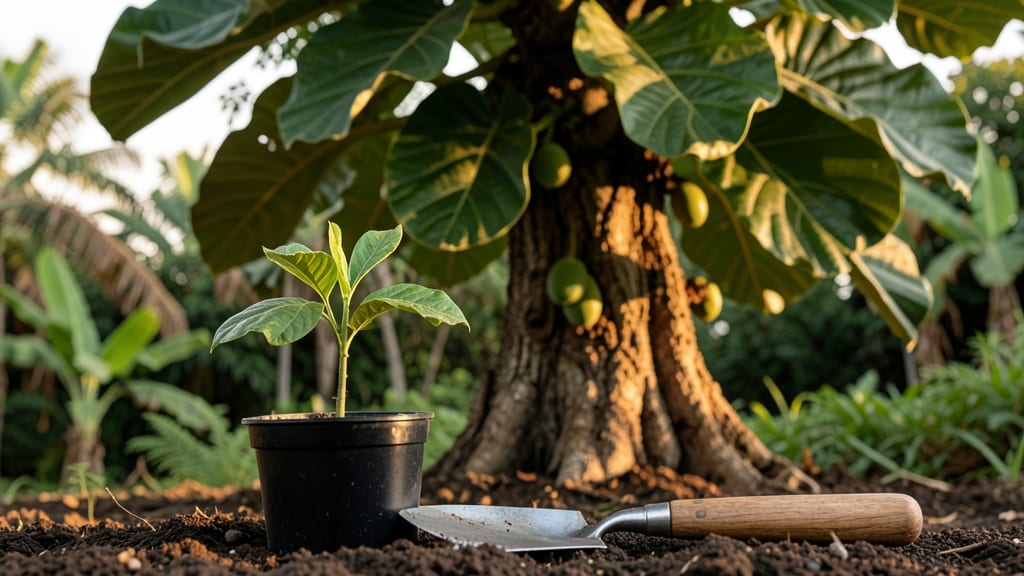
Growing breadfruit tree seeds into thriving plants starts with patience—and a few clever tricks to speed up germination. 🌱 I’ve watched these seeds take their sweet time, but with the right setup, you’ll see those first leaves break through soil in just 4-8 weeks, not years.
The key is mimicking the tropical conditions they crave right from the start.
You’ll need fresh seeds (or dried ones soaked for 24 hours), a warm spot (70-85°F), and a mix of peat moss or coconut coir with perlite to keep roots happy. Plant them just ½ inch deep in small pots, and keep the soil consistently moist—not soggy.
Breadfruit seeds love humidity, so a clear plastic bag over the pot creates a mini greenhouse effect until sprouts appear.
Once those first leaves unfurl, you’ll know you’re on track. The real magic happens when you transplant them into larger containers or the ground, where they’ll grow into towering, fruit-bearing trees.
With proper care, your breadfruit could be producing its first edible "bread" within 5-10 years—worth every bit of waiting.
This method works best in USDA zones 10-12, but container growing extends it to cooler climates. The secret? Don’t rush—breadfruit trees reward slow, steady growth with bountiful harvests. Let’s get those seeds sprouting!
📚 In This Guide
- What you need
- Instructions
- Tips and common mistakes
- Wrapping up and next steps
What you need
- ● Breadfruit seeds: 5–10 fresh, plump seeds (harvested from ripe, healthy breadfruit). Pro tip: Store seeds in a cool, dry place until ready to plant!
- ● Germination medium: Option 1: 1–2 small biodegradable pots (3–4 inches in diameter) filled with well-draining potting mix (e.g., coconut coir + perlite blend).
- ● Option 2: A seedling tray with individual cells (for batch germination).
- ● Spray bottle: For gentle watering (avoid over-saturating seeds).
- ● Clear plastic wrap or humidity dome: To create a mini greenhouse effect.
- ○ Small fan (optional but helpful): For air circulation (prevents mold).
- ● Grow lights or sunny windowsill: A spot with indirect light (6–8 hours/day) for seedlings.
- ● Pruning shears or scissors: For trimming excess seedling growth later.
- ● Seedling heat mat: Keeps soil warm (70–85°F) for faster germination.
- ● pH testing kit: Ensures soil pH is 5.5–6.5 (breadfruit prefers slightly acidic soil).
- ● Fertilizer (diluted): A balanced liquid fertilizer (e.g., 10-10-10) once seedlings sprout true leaves.
- ● Garden journal: Track germination progress, watering schedules, and growth milestones!
Step-by-step instructions for germinating breadfruit tree seeds
Here's how to break dormancy and coax those stubborn seeds into sprouting reliably.
🌱 Step 1: Stratify Seeds to Break Dormancy
Breadfruit seeds need a cold-moist treatment to simulate natural forest conditions. Place the seeds in a quart-sized resealable bag with moistened peat moss—enough to keep it damp but not soggy. Seal the bag and refrigerate for 8-12 weeks at 34-40°F. Check weekly and mist if the peat dries out.
This mimics winter's chill period in tropical forests, tricking seeds into thinking spring has arrived. You'll know stratification worked when the seed coat softens and you see tiny root hairs emerging from the base. Don't rush this—skipping stratification results in 90% seed failure because the seed coat remains impermeable.
🌱 Step 2: Prepare Germination Containers
Fill 4-inch diameter pots with a sterile seed-starting mix (never garden soil—it's too dense). I use a blend of 50% coconut coir and 50% perlite for excellent drainage while retaining moisture. Fill each pot to 1 inch below the rim and press down lightly to eliminate air pockets.
Make a ½-inch deep hole in the center of each pot using your finger. Place 1-2 stratified seeds per pot, ¼ inch deep, with the pointed end facing up. Cover lightly with additional mix—just enough to obscure the seeds. Gently water until the surface feels slightly damp but not wet.
💧 Step 3: Maintain Warmth and Humidity
Place the pots in a warm, humid environment—75-85°F is ideal. I use a seedling heat mat set to 80°F under a clear plastic dome to trap moisture. Keep the soil consistently moist by misting daily, but never let it sit in water. You'll see condensation form on the dome—this is normal and indicates proper humidity levels.
Germination typically takes 4-8 weeks, but be patient—some seeds may take up to 12 weeks. Watch for the first true leaves (not the initial seed leaves) to appear before removing the dome. If mold forms on the soil surface, increase airflow immediately to prevent damping-off disease.
☀️ Step 4: Transition to Light and Air Circulation
Once sprouts emerge with 2-3 true leaves, remove the dome and move seedlings to bright, indirect light. A south-facing window or grow light (12-14 hours daily) prevents leggy growth. Rotate pots quarter-turn weekly so seedlings grow straight rather than leaning toward the light source.
Hardening off begins when seedlings reach 6 inches tall. Start by placing them outside in partial shade for 1-2 hours daily, gradually increasing exposure over 2 weeks. You'll know they're ready for the garden when they tolerate full sun without wilting. Transplant on an overcast day to reduce transplant shock.
🌿 Step 5: Monitor Growth and Prune Early
Breadfruit seedlings grow quickly—1-2 feet in their first year. Prune the top set of leaves when the seedling reaches 12 inches tall to encourage bushier growth. Remove any yellowing or damaged leaves immediately to prevent disease spread. You'll see new lateral shoots form within 2-3 weeks after pruning.
Keep the soil evenly moist but never waterlogged. Breadfruit trees hate soggy roots, which can cause root rot in as little as 48 hours. Mulch with 2 inches of wood chips to retain moisture and regulate soil temperature. With proper care, your seedlings will be ready for outdoor planting in 6-12 months.
Tips & tricks for perfect breadfruit seed germination
Real talk: Breadfruit seeds are stubborn little things that demand patience and precision. These tried-and-true tips will help you navigate the quirks of germination and dramatically improve your success rate—without sacrificing that tropical forest magic.
Stratification Precision: The 8-12 week cold treatment at 34-40°F is non-negotiable, but here's what nobody tells you: Use a thermometer inside your fridge to monitor temperature—some fridges fluctuate wildly. I learned this the hard way after ruining three batches where seeds dried out because my fridge's coldest zone was actually 45°F. Also, check for those tiny root hairs every 2 weeks starting at week 6—they're your first sign of success. If you see mold instead, toss the batch immediately.
Container Selection: While 4-inch pots work perfectly, I've had better results with 6-inch pots for the first 3 months of growth—the extra space prevents root binding as seedlings develop. For the sterile mix, if you can't find coconut coir/perlite blend, sphagnum moss works in a pinch (just add perlite for drainage). Pro tip: Sterilize your pots by soaking them in 1 part bleach to 9 parts water for 10 minutes, then rinsing thoroughly. This prevents damping-off disease before it starts.
Humidity Management: That plastic dome creates a greenhouse effect, and 75-85°F is your sweet spot—but watch for condensation dripping onto seedlings. If you see water pooling on the dome's underside, prop it up slightly with toothpicks to create airflow. For humidity without a dome, try placing pots on a tray of pebbles with water (just keep the bottoms of pots dry). The key is consistent moisture, not soggy soil. I've seen germination rates drop by 40% when humidity fluctuates.
Light Transition Strategy: When moving seedlings to light in Step 4, start with 4-6 hours of indirect light daily for the first week, then gradually increase. I use a grow light on a timer set to 12 hours/day to prevent leggy growth—natural light windows vary wildly. And here's a game-changer: Place a small mirror near the seedlings to reflect light onto the darker sides. This creates even growth without the energy costs of additional lights.
Pro Tips for Breadfruit Tree Seeds
- Real talk: Breadfruit seeds are stubborn little things that demand patience and precision.
- Stratification Precision: The 8-12 week cold treatment at 34-40°F is non-negotiable, but here's what nobody tells you: Use a thermometer inside your fridge to monitor temperature—some fridges fluctuate wildly.
- Container Selection: While 4-inch pots work perfectly, I've had better results with 6-inch pots for the first 3 months of growth—the extra space prevents root binding as seedlings develop.
Frequently asked questions
Got questions about growing breadfruit from seeds?
You’re not alone! Here are answers to the most common queries to help you succeed—no guesswork required.
How long do breadfruit seeds take to germinate?
Breadfruit seeds typically sprout in 4 to 8 weeks, though some may take up to 3 months. Keep soil consistently moist (not soggy) and warm (70–85°F) to speed up germination. Patience is key—slow starters are normal! Pro tip: Use a humidity dome or plastic wrap to retain moisture.
Can I plant breadfruit seeds directly in the ground?
Yes, but only in warm climates (USDA Zones 10–12). Seeds are sensitive to frost—start indoors in pots first if your area dips below 50°F. Once seedlings are 6+ inches tall and temperatures stay above 60°F, transplant outdoors. Warning: Breadfruit is tropical; avoid planting in cold regions.
What if my seeds don’t sprout at all?
Try these fixes:
- Check viability: Soak seeds in warm water for 24 hours—floaters are dead.
- Adjust moisture: Overwatering can rot seeds; under-watering stalls growth.
- Test soil: Breadfruit prefers well-draining, slightly acidic soil (pH 5.5–7.0). Amend heavy clay with perlite.
- Heat boost: Place pots near a sunny window or use a seedling heat mat (80–90°F ideal).
Still no luck? Try fresh seeds—viability drops after 6–12 months.
How fast does a breadfruit tree grow from seed?
Seedlings grow slowly at first—expect 1–2 feet per year for the first 3–5 years. With ideal conditions (full sun, rich soil, warmth), mature trees (20+ feet tall) produce fruit in 5–10 years. Fun fact: Dwarf varieties like ‘Ice Cream’ may fruit sooner (3–5 years).
Are there alternatives to growing breadfruit from seed?
Yes! For faster results:
- Air-layering: Propagate from a mature tree’s branches (takes 2–6 months).
- Grafting: Combine a breadfruit scion with a hardy rootstock (advanced technique).
- Buy a young tree: Nurseries in tropical zones often sell 1–2-year-old saplings (pricier but instant gratification).
Seeds are the most rewarding (and free!) but require the most time.
Bonus Tip: Label your seeds!
Breadfruit varieties vary wildly in taste, size, and growth habit. If you’re experimenting, jot down the source (e.g., “Hawaiian variety from store”) to track which seeds perform best. Happy growing!
Wrapping up and next steps
Growing breadfruit from seeds is a rewarding journey that yields delicious, nutritious fruit in just 4-8 weeks—or even faster with the right care! 🌱 Whether you're a seasoned gardener or a curious beginner, these tips will help you nurture strong, healthy seedlings ready for transplantation.
With patience and attention to detail, you’ll soon enjoy the satisfaction of harvesting your own tropical bounty.
Ready to take the next step? Start with just a few seeds and experiment with different germination methods to find what works best for your space. Happy growing—and may your breadfruit tree thrive! 🌿