
Lawn
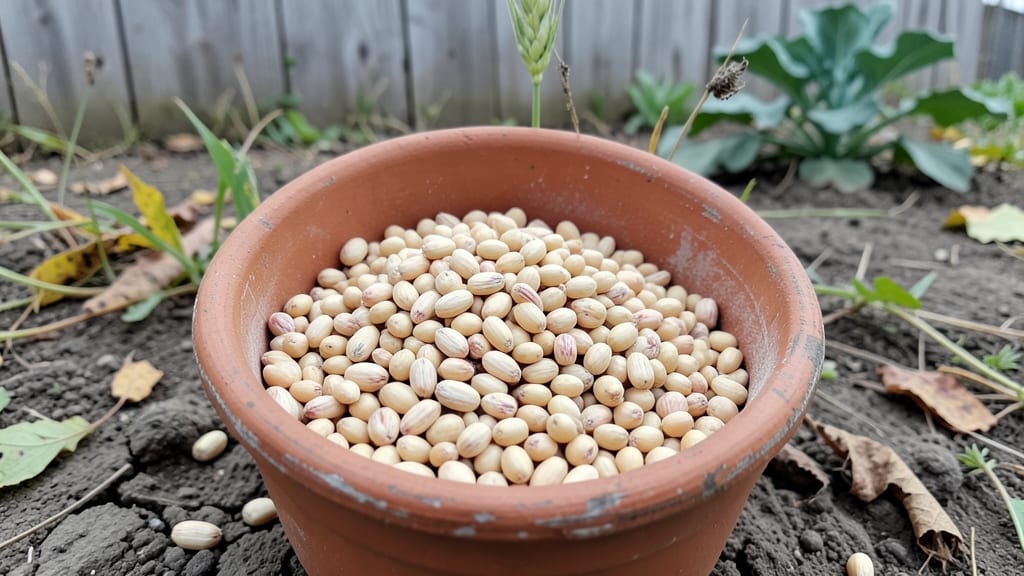
Growing thick, lush lawns from bulk wheat seed transforms your yard into a vibrant green carpet that lasts all season. 🌱 I’ve used this method to turn patchy grass into a dense, resilient surface that handles foot traffic and drought better than store-bought seed mixes.
The key isn’t just throwing seeds—it’s layering them just right in the soil and giving them the perfect start.
You’ll need a sunny spot with well-draining soil, a rake for even prep, and about 10-15 pounds of bulk wheat seed per 1,000 square feet. Plant in early spring or fall when temperatures are mild, and water lightly but consistently for the first two weeks.
Wheat thrives in full sun and tolerates poor soil, making it ideal for organic lawns or large-scale projects.
By the third week, you’ll see thick, uniform growth that crowds out weeds naturally. Harvesting isn’t necessary unless you’re growing wheat for grain—just mow high to encourage deeper roots.
Store leftover seeds in a cool, dry place to use next season, and troubleshoot poor germination by testing soil moisture and seed freshness.
Perfect for homesteaders, small farmers, or anyone tired of thin, patchy grass. This method works for both small lawns and acres—just scale the seed and prep accordingly. Let’s get that lawn growing strong!
📚 In This Guide
- What you need
- Instructions
- Tips and common mistakes
- Wrapping up and next steps
What you need
- ● Bulk wheat seed: 10–15 lbs per 1,000 sq. ft. (choose a high-quality mix like Tall Fescue or Ryegrass for durability).
- ● Lawn soil: Well-draining, slightly acidic (pH 6.0–7.0). Test your soil first!
- ● Compost or organic matter: 2–3 inches spread evenly for nutrients.
- ● Lawn fertilizer: Slow-release, nitrogen-rich (10-10-10 or 16-4-8 ratio).
- ○ Seed starter fertilizer: Optional but helpful for faster germination.
- ● Broadcast spreader: For even seed distribution (manual or electric).
- ● Rake (bow or leaf rake): To level soil and cover seeds lightly.
- ● Garden hose or sprinkler: For consistent watering.
- ● Soil pH tester kit: To ensure optimal growing conditions.
- ○ Lawn roller (optional): Helps press seeds into soil for better contact.
- ● Clear debris from the lawn area (rocks, weeds, or old grass).
- ● Mow existing grass short (if overseeding) or till bare soil to 2–3 inches deep.
- ● Check local climate: Wheat seed thrives in cool seasons (fall/spring).
- ● Plan for consistent watering (1–1.5 inches per week) post-planting.
Step-by-Step guide to planting bulk wheat seed for a thick lawn
Ready to transform your lawn into a dense, vibrant carpet? Here’s how to plant bulk wheat seed for a lush, resilient yard.
🌱 Step 1: Prepare the Soil for Optimal Germination
Start by mowing your lawn as short as possible—this gives the wheat seed direct contact with the soil and sunlight. Next, rake away any debris, including dead grass clippings and thatch, to create a clean surface. The goal is to expose the soil so the seeds can make immediate contact.
Test the soil pH—wheat thrives in slightly acidic conditions between 6.0 and 7.0. If your soil is too alkaline, add sulfur or peat moss to adjust it before planting. Work the top 2-3 inches of soil with a rake or aerator to loosen it, breaking up any compacted layers. This ensures roots can penetrate easily and access moisture.
💧 Step 2: Spread the Seed Evenly for Uniform Growth
Divide your bulk wheat seed into four equal portions—this makes it easier to distribute evenly. Start at one end of the lawn and walk in a back-and-forth pattern, scattering the first portion. Use a broadcast spreader for larger areas to ensure consistent coverage. Lightly overlap each pass to avoid gaps.
Once the first portion is spread, repeat the process with the remaining three portions, alternating directions (e.g., north-south, then east-west). This cross-pattern ensures no spots are missed. After spreading, lightly rake the area with a stiff-bristled rake to press the seeds into the soil—just enough so they’re covered but not buried too deep. Aim for ¼ inch of soil contact.
☀️ Step 3: Water Gently and Maintain Moisture for Germination
Water the lawn immediately after planting, using a gentle spray to avoid displacing the seeds. Keep the soil consistently moist—not soggy—for the first 10-14 days. This encourages strong germination. A good rule of thumb: water when the top ½ inch of soil feels dry. Overwatering can wash seeds away or cause them to rot.
For the first week, water lightly twice daily—once in the morning and once in the evening. After germination (when you see green shoots about 1 inch tall), reduce to once daily in the early morning. Avoid watering from above; use a soaker hose or sprinkler to prevent seed displacement. Mulch lightly with straw if your area gets hot sun to retain moisture.
✂️ Step 4: Monitor and Maintain for a Thick, Lush Lawn
Once the wheat reaches 3-4 inches tall, it’s time to mow for the first time. Set your mower blade to 3 inches to avoid scalping the grass. This height helps the roots establish deeply and prevents weed competition. After mowing, leave the clippings on the lawn—they act as natural fertilizer, returning nutrients to the soil.
Fertilize 4-6 weeks after planting with a slow-release, nitrogen-rich fertilizer to support steady growth. Water deeply after fertilizing to help nutrients absorb into the soil. Watch for signs of stress, like yellowing or thinning patches—these often indicate overwatering, underwatering, or soil compaction. Adjust your care routine as needed to keep the lawn vibrant.
⏰ Step 5: Plan for Long-Term Care and Seasonal Adjustments
Wheat grass is cool-season, so it thrives in fall and spring but may go dormant in extreme heat. If your lawn starts looking brown in summer, reduce watering slightly but don’t let the soil dry out completely. Once temperatures drop below 80°F, resume regular watering to encourage regrowth.
Consider overseeding in early fall to fill in any thin spots. This is the best time for wheat seed to establish before winter. In late spring, gradually reduce watering as the grass transitions to dormancy. With proper care, your wheat lawn will stay thick, green, and resilient for years.
Tips & tricks for perfect wheat lawn planting
Transforming your lawn with bulk wheat seed takes patience and precision—but these little tricks make all the difference between patchy results and a lush, thick carpet of green.
Soil Prep Secret: Don't skip the soil test! Wheat thrives in that 6.0-7.0 pH range, but many lawns are naturally alkaline. I learned this the hard way—my first attempt grew slowly because the soil was too alkaline. Grab a test kit from your garden center and adjust with sulfur or peat moss if needed. The 2-3 inch deep loosening in Step 1 is crucial too—compacted soil strangles those tiny roots before they can establish.
Seed Distribution Hack: That four-portion method in Step 2 isn't just about even coverage—it's about avoiding waste. I used to spread all the seed at once and end up with clumps in some areas and bare spots in others. The cross-pattern (north-south, then east-west) ensures you don't miss any spots, and the ¼ inch depth is perfect—too deep and seeds won't germinate, too shallow and they'll dry out. A stiff-bristled rake does this job better than a leaf rake, which can be too gentle.
Watering Wisdom: Those first 10-14 days are make-or-break for germination. I set a reminder on my phone for morning and evening watering—consistency is key! Use a soaker hose or sprinkler on a gentle setting to avoid displacing seeds. Pro tip: Water when the top ½ inch of soil feels dry, not when it looks dry. The soil might look moist on top but be dry below. And if your area gets hot sun, that straw mulch really helps retain moisture without smothering the seeds.
Long-Term Care: The 80°F temperature threshold in Step 5 is your summer guide. When temps rise above that, wheat grass goes dormant—it's normal! Reduce watering slightly but don't let the soil dry out completely. Once temps drop below 80°F, resume regular watering to wake those roots back up. And that first mow at 3-4 inches? It's tempting to cut shorter for a manicured look, but taller grass shades out weeds and establishes deeper roots.
Pro Tips for Bulk Wheat Seed
- Transforming your lawn with bulk wheat seed takes patience and precision—but these little tricks make all the difference between patchy results and a lush, thick carpet of green.
- Soil Prep Secret: Don't skip the soil test!
- Seed Distribution Hack: That four-portion method in Step 2 isn't just about even coverage—it's about avoiding waste.
Frequently asked questions
Got questions about growing a lush lawn with bulk wheat seed? You’re not alone! Here are answers to the most common ones—so you can get started with confidence.
What’s the best time to plant bulk wheat seed for a thick lawn?
For optimal results, plant annual ryegrass (a common wheat seed mix) in late summer to early fall (August–September in most U.S. regions). This gives roots time to establish before winter. Avoid spring planting—it struggles with summer heat.
Is bulk wheat seed more expensive than other grass types?
Not necessarily! Bulk wheat seed (like annual ryegrass) is often budget-friendly compared to premium blends. Prices vary by region, but you’ll typically pay $1–$3 per pound. Check local suppliers for deals—just ensure it’s high-quality, certified seed to avoid weeds or poor germination.
Can I mix bulk wheat seed with existing grass?
Overseeding with bulk wheat seed fills bare spots and boosts density. Mow your lawn short (1–1.5 inches), rake lightly to loosen soil, and spread seed evenly. Water lightly daily for 2–3 weeks to help germination. Pro tip: Use a spreader for even coverage!
Why did my wheat seed turn brown after planting?
Brown patches? Don’t panic—it’s often normal stress from heat, drought, or foot traffic. Ensure consistent moisture (but avoid soggy soil) and check for pests/disease. If brown spots persist, test your soil’s pH (ideal: 6.0–7.0) and consider a light fertilizer after germination.
What’s a good alternative if I can’t find bulk wheat seed?
Try annual ryegrass (fast-growing, cold-hardy) or tall fescue (drought-resistant). For instant color, clover mixes work too. Always match seed type to your climate—local nurseries can help!
Wrapping up and next steps
Investing in bulk wheat seed is a game-changer for achieving that thick, vibrant lawn you’ve always dreamed of! 🌱 From proper soil prep to consistent watering, every step plays a role in unlocking lush, layered growth. Don’t let small details hold you back—your lawn’s potential is just one season away.
Ready to transform your outdoor space? Start small—test a patch, refine your technique, and watch your hard work pay off. Happy planting! 🌿