
Lawn
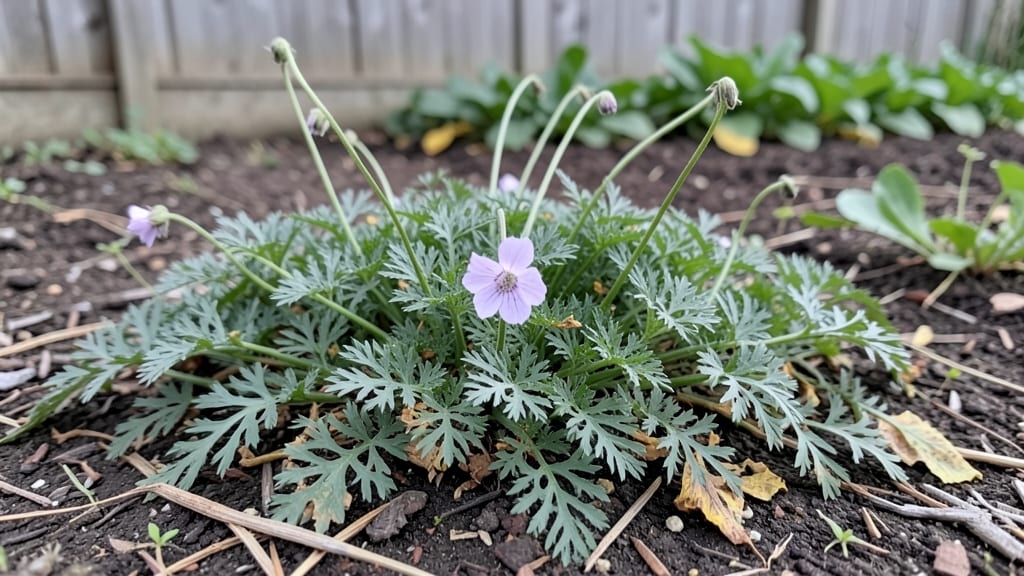
Growing erodium cicutarium seed gives you delicate, drought-defying blooms that thrive where other plants fail. 🌿 I’ve watched these little storksbills pop up in rocky, dry spots with almost no effort—just scatter the seeds and let nature take over.
The secret lies in their ability to handle neglect while still putting on a show of lacy pink and purple flowers.
You’ll need minimal supplies: some well-draining soil, a sunny spot, and patience. These seeds don’t need light to germinate, so you can sow them directly in the ground in early spring or fall.
Water lightly after planting, but once established, they’ll survive on rainfall alone. Spacing isn’t critical—they self-seed happily, creating a naturalized carpet of color.
The payoff comes in late spring when clusters of tiny, intricate flowers appear, swaying in the breeze. They attract pollinators but rarely spread aggressively, making them ideal for borders, slopes, or areas where other plants struggle. With almost no maintenance, you’ll have a garden that looks effortless but feels alive.
Perfect for beginners or anyone tired of high-maintenance plants. These seeds prove that beautiful gardens don’t require constant attention—just the right plants in the right place. Let’s get those seeds in the ground!
📚 In This Guide
- What you need
- Instructions
- Tips and common mistakes
- Wrapping up and next steps
What you need
- ● Seeds: Erodium cicutarium seeds (1–2 packets, ~50–100 seeds per packet). Opt for organic or untreated seeds for best results.
- ● Growing Medium: Well-draining potting mix (for containers or seed trays) – 1–2 bags (1–2 cubic feet each).
- ● Or sandy loam soil (for in-ground planting) – amending with perlite or coarse sand improves drainage.
- ○ Containers (Optional but Helpful): Seed trays or biodegradable pots (for indoor sowing) – 6–12 cells per tray or 2–3-inch pots.
- ● Garden beds or raised planters (for direct sowing) – ensure they’re at least 6 inches deep.
- ● Tools: Small hand trowel or seedling tray.
- ● Spray bottle (for gentle watering).
- ○ Gloves (optional, to protect hands from fine seeds).
- ● Sunlight: Full sun to partial shade (6+ hours of sunlight daily for best blooms).
- ● Water: Drought-tolerant once established, but seeds need consistent moisture until germination.
- ● Climate: Thrives in USDA Zones 3–10. Avoid waterlogged or heavy clay soils.
- ● Timing: Indoor sowing: 8–10 weeks before last frost (or year-round in warm climates).
- ● Direct sowing: Spring or early fall (avoid extreme heat).
- ● Mulch (straw or gravel) to retain moisture and suppress weeds.
- ● Fertilizer (low-nitrogen, 5-10-10 or compost) – sparingly, as over-fertilizing can harm seedlings.
- ● Grow lights (if starting indoors with limited sunlight).
- ● Plant markers (to track seedling progress).
Step-by-step instructions for growing Erodium cicutarium from seed
Here's how to cultivate these stunning, drought-tolerant annuals with minimal fuss—ideal for sunny, dry gardens.
🌱 Step 1: Prepare the Soil and Plant Seeds
Erodium cicutarium thrives in poor, dry soil, so avoid rich amendments. Scatter the seeds directly onto well-drained soil in full sun positions—no need for tilling or deep preparation. The tiny seeds benefit from light coverage, so press them gently into the top ¼ inch of soil or barely cover with a sprinkle of fine sand.
Water lightly immediately after sowing to settle the seeds, but resist the urge to overwater. These seeds germinate best when kept barely moist—damp but not soggy. You'll see seedlings emerge in 10-21 days, though germination can take longer in cooler weather. Thin seedlings to 6-12 inches apart once they reach 2 inches tall, using scissors to snip unwanted plants at soil level.
☀️ Step 2: Provide Minimal Care After Germination
Once seedlings appear, reduce watering drastically—Erodium cicutarium is drought-resistant once established. Allow the soil to dry completely between waterings, and avoid overhead irrigation to prevent fungal issues. These plants tolerate heat and poor soil conditions, making them perfect for low-maintenance landscapes.
Fertilizer isn't necessary, but if your soil is extremely nutrient-poor, a light application of balanced 10-10-10 fertilizer at planting time can encourage slightly more robust growth. However, too much nitrogen will weaken the plant's drought tolerance. Watch for pale leaves or leggy stems—these are signs of over-fertilization.
✂️ Step 3: Encourage Blooms and Maintain the Plants
Deadhead spent flowers to prolong blooming, but don't prune aggressively—Erodium cicutarium thrives on its natural, airy habit. The plant self-seeds readily, so you may find new volunteers in subsequent years. If you prefer to control spread, remove seed heads before they dry completely.
These plants are hardy to USDA Zone 7 and beyond, but they typically grow as annuals in colder climates. In frost-prone areas, allow them to complete their life cycle naturally—they'll drop seeds for next year's crop. If you want to collect seeds for propagation, wait until the seed pods turn brown and begin to split open.
🪴 Step 4: Transplant or Divide if Needed
While Erodium cicutarium can self-sow prolifically, you can also transplant established plants if they outgrow their spot. Dig up clumps in early spring before new growth begins, ensuring each division has 3-4 stems. Replant immediately in well-drained soil and water lightly to help them establish.
These plants adapt well to containers if given at least 6 inches of depth and good drainage. Use a lightweight potting mix and water sparingly—overwatering is the most common cause of failure in container-grown Erodium. Place pots in full sun and expect vibrant blooms within 8-10 weeks of planting.
Tips & tricks for perfect Erodium cicutarium growth
Mastering these drought-resistant beauties takes less effort than you'd expect—here's how to avoid the most common pitfalls while maximizing their stunning blooms.
Soil Preparation Secret: The key to success starts with embracing Erodium cicutarium's love for lean conditions. Instead of amending your soil with compost or fertilizer, simply rake away any debris and create a fine, loose surface. These seeds need contact with bare mineral soil to germinate properly. I've found that working the soil to a depth of just ¼ inch—no deeper—creates the perfect seedbed. Think of it as creating a fine, sandy texture rather than turning the soil over completely.
Watering Wisdom: The 10-21 day germination window can feel like an eternity, but patience pays off. After your initial light watering, let the top inch of soil dry out completely before watering again. I use my finger to check moisture—if it feels dry down to the first knuckle, it's time to water lightly again. Overwatering at this stage is the fastest way to lose your seedlings before they even emerge. Remember, these plants are adapted to survive on minimal moisture once established.
Thinning Technique: When your seedlings reach that 2-inch mark, thinning becomes crucial for their development. Instead of pulling seedlings (which can damage roots), I use clean scissors to snip them at soil level. This method prevents disturbing the remaining plants' roots while creating space for stronger growth. Aim for 6-12 inches between plants—this spacing allows for proper air circulation and prevents fungal issues that can occur in crowded conditions.
Container Growing Strategy: For those growing in pots, the 6-inch depth requirement is non-negotiable. I recommend using terracotta pots with drainage holes—they wick away excess moisture while providing excellent drainage. Fill with a lightweight cactus/succulent mix rather than garden soil, and always water from the bottom to encourage deep root development. The 8-10 week timeline to blooms applies to containers too, but be prepared to water slightly more frequently than in-ground plants during their establishment phase.
Pro Tips for Erodium Cicutarium Seed
- Mastering these drought-resistant beauties takes less effort than you'd expect—here's how to avoid the most common pitfalls while maximizing their stunning blooms.
- Soil Preparation Secret: The key to success starts with embracing Erodium cicutarium's love for lean conditions.
- Watering Wisdom: The 10-21 day germination window can feel like an eternity, but patience pays off.
Frequently asked questions
Got questions about Erodium cicutarium seeds?
You’re not alone! Here are some of the most common queries—and their straightforward answers—to help you grow these drought-tolerant beauties with confidence.
How long does it take for Erodium cicutarium seeds to germinate?
Germination typically takes 14 to 30 days under ideal conditions—warm soil (60–75°F), consistent moisture, and indirect sunlight. For faster results, pre-soak seeds for 24 hours or use a seed starter mix. Patience pays off, but avoid overwatering, which can cause rot.
Can I plant Erodium cicutarium seeds directly in my lawn without thinning?
Yes! These seeds are self-thinning—they naturally space out as they grow. Scatter them densely (about 1–2 lbs per 1,000 sq ft) and lightly rake into the soil. No need for tedious thinning later; the plants will compete for space on their own.
What’s the best time of year to sow Erodium cicutarium seeds?
Plant in early spring or late summer/fall (6–8 weeks before your first frost). Avoid extreme heat or cold—ideal temps are 50–75°F. In mild climates, you can even sow year-round, but spring and fall yield the most vibrant blooms.
Why aren’t my Erodium cicutarium seeds sprouting? Troubleshooting tips.
Check these common culprits:
- Too dry: Keep soil consistently moist (not soggy) until germination. Use a spray bottle for delicate seeds.
- Too deep: Seeds need light—press them just below the surface (¼ inch max).
- Cold soil: If temps drop below 50°F, wait until conditions warm up or use a seedling heat mat.
- Old seeds: Viability drops after 1–2 years. Buy fresh seeds for best results.
Are there alternatives to Erodium cicutarium for drought-resistant ground cover?
Try these low-maintenance options:
Plant
Key Traits
Delosperma (Ice Plant)
Succulent-like, colorful blooms; thrives in poor soil.
Sedum (Stonecrop)
Hardy, spreads quickly; great for rocky areas.
Portulaca (Moss Rose)
Annual but self-seeds; loves full sun and heat.
Each has unique charm—pick based on your climate and aesthetic!
Wrapping up and next steps
Incorporating Erodium cicutarium seeds into your lawn or garden is a game-changer for drought-prone areas—offering stunning blooms with almost zero fuss! 🌱 These resilient seeds thrive in tough conditions, making them perfect for eco-conscious gardeners who want beauty without the high-maintenance drama.
Whether you’re a seasoned green thumb or a curious beginner, they’re your ticket to a vibrant, low-water landscape.
Ready to transform your outdoor space? Grab those seeds, follow the steps, and watch your garden flourish—one resilient bloom at a time! 🌿✨