
Flowers
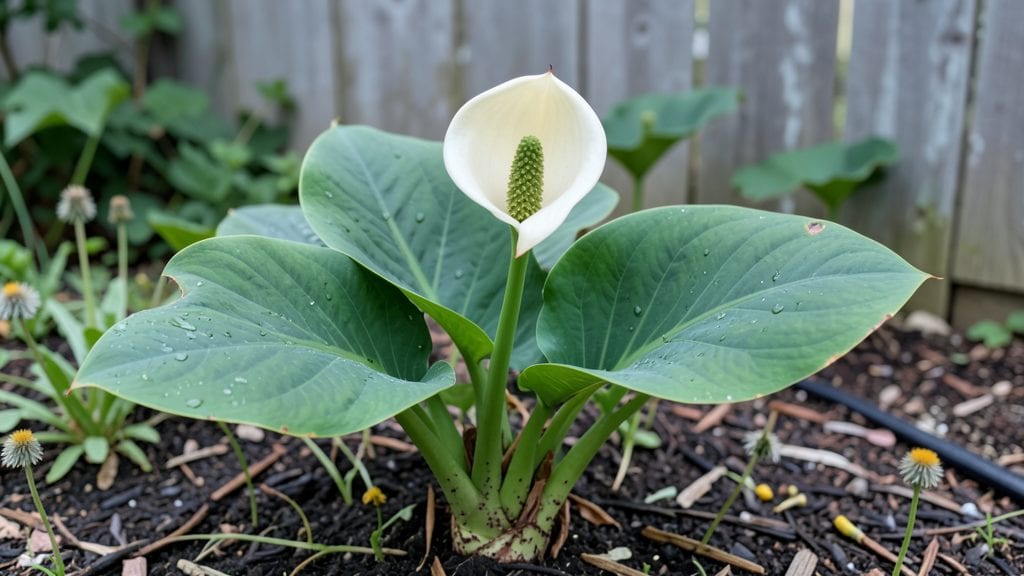
The seeds inside a calla lily flower are tiny, dark berries that form after pollination, appearing as glossy, oval-shaped pods. Harvest them carefully when fully ripe—typically deep purple or black—and store in a cool, dry environment to preserve their viability for future planting.
These berries develop from the flower's reproductive structures after successful cross-pollination, a process that can take several weeks. 🌱 The pods start green and gradually darken as they mature, signaling their readiness for harvest.
Since calla lilies are often sterile or produce limited viable seeds, gardeners must carefully select healthy plants and monitor flower development to maximize seed potential. Proper storage in sealed containers with silica gel packets can extend seed life for up to two years, though germination rates naturally decline over time.
Understanding this process helps explain why some flowers yield no seeds—environmental factors like temperature swings or insufficient pollinators can disrupt development. For best results, I recommend harvesting pods when they're fully colored but still slightly firm to the touch, as overripe seeds may shatter or lose viability.
💡 In This Article
- How Calla Lily Seeds Develop Inside the Flower
- Step-by-Step Guide to Harvesting and Storing Calla Lily Seeds
How calla lily seeds develop inside the flower
The transformation from calla lily flower to seed begins with pollination, where pollen must transfer between flowers—often requiring insects like bees or manual assistance. Once pollinated, the flower's ovary swells and develops into a glossy, oval pod that starts green and gradually darkens.
This process involves complex hormonal changes, particularly ethylene production, which triggers cell division and pod formation. The pods typically measure about 1/2 to 3/4 inch long when mature, with a firm yet slightly yielding texture.
What most people don't realize is that these pods contain multiple seeds—usually 1-3 per pod—each encased in a thin, translucent membrane.
The color shift from green to deep purple or black signals full maturity, a result of anthocyanin accumulation that protects the seeds from UV damage. 🌿 This pigmentation also indicates the seeds have reached their maximum moisture content, typically around 10-15%, which is critical for viability.
Temperature fluctuations during this stage can disrupt development, often leading to sterile pods or shrunken seeds.
The science behind why some flowers fail to produce viable seeds involves sterility factors like genetic incompatibility or environmental stress. Calla lilies, particularly hybrid varieties, often exhibit reduced fertility due to selective breeding for ornamental traits.
Even with successful pollination, only about 30-50% of pods will contain viable seeds, making careful plant selection essential. Gardeners should focus on older, established plants (3+ years) for higher seed production potential.
Post-pollination, the seed pods undergo a 4-6 week maturation period before reaching harvest readiness. During this time, the pods develop a waxy coating that helps prevent moisture loss—a natural adaptation to dry conditions.
This coating also makes them slightly slippery to handle, which is why gardeners often use paper bags for collection rather than plastic containers. The pods' final texture should be firm but not hard, resembling a slightly overripe olive in consistency.
Interestingly, the seed's internal structure plays a role in germination success. Each seed contains an embryo surrounded by a protective endosperm layer, which provides nutrients during early growth. The seed coat itself is relatively thin compared to hard-coated seeds like beans, allowing moisture to penetrate more easily.
This makes calla lily seeds particularly sensitive to drying—once harvested, they must be dried to 5-7% moisture content within 24 hours to prevent mold or rotting.
For gardeners aiming to propagate calla lilies, understanding these stages explains why some flowers yield no seeds despite appearing healthy. Environmental factors like temperature drops below 60°F or high humidity during pod development can trigger premature abortion.
Even with perfect conditions, only about 1 in 5 seeds will germinate successfully, making seed collection a low-yield but rewarding process for dedicated growers.