
Featured
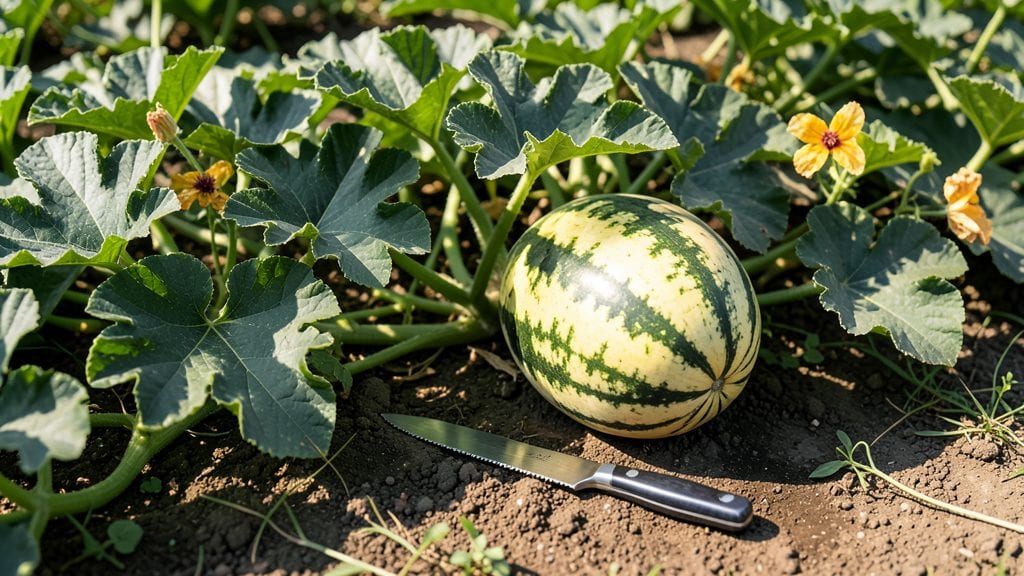
Chickens can eat watermelon with seeds in moderation, as the flesh is hydrating and nutrient-rich, while the seeds pose minimal risk if fed sparingly. Remove large seed quantities to prevent digestive blockages or choking hazards.
Watermelon makes a refreshing treat for chickens, especially during hot weather when hydration matters most. 🌞 The fruit's high water content helps keep them cool, while the natural sugars provide a quick energy boost.
Just remember—seeds should be limited to small amounts, as larger quantities could cause digestive upset or even blockages in their gizzards.
For safe feeding, I recommend cutting watermelon into bite-sized pieces and removing any large seeds. The rind is also safe in moderation, offering extra fiber, but avoid feeding moldy or overly ripe sections.
A few seed-free slices as an occasional snack can be a great way to keep your flock happy and hydrated!
💡 In This Article
- Watermelon Seed Safety for Chickens: Digestive Risks Explained
- Feeding Watermelon to Chickens: Best Practices and Portion Control
Watermelon seed safety for chickens: digestive risks explained
A chicken's gizzard acts like a natural grinding mill, capable of breaking down hard materials up to 1/4-inch (6mm) in diameter. Watermelon seeds typically measure between 1/8-inch (3mm) and 1/4-inch (6mm) when dry, meaning most can pass safely through the gizzard when fed in small quantities.
However, the real risk lies in the seed's hard outer shell—when swallowed whole, it can temporarily block the digestive tract if multiple seeds accumulate.
The coating on watermelon seeds (often a thin, sticky residue from the fruit) isn't inherently dangerous, but it can make seeds slightly more slippery and harder to grip with a chicken's beak.
This increases the chance of accidental inhalation or swallowing whole. 💫 For comparison, seeds from fruits like blueberries (1/16-inch or 1.5mm) pose almost no risk, while pumpkin seeds (1/4-inch to 1/2-inch or 6-12mm) require more caution due to their size and hardness.
Choking hazards are rare but possible with watermelon seeds because chickens may attempt to swallow them whole rather than chewing. Young chicks or birds with dental issues are at higher risk.
The key factor is quantity: a handful of seeds (about 5-10) spread over a week is generally safe, but a full tablespoon at once could cause digestive distress. This is why seed removal is recommended for large feedings.
Watermelon seeds contain small amounts of cyanogenic glycosides (like cyanidin), which break down into cyanide when crushed or chewed—but in trace amounts found in seeds, this poses no real threat to chickens.
The bigger concern is physical obstruction rather than toxicity. For context, seeds from apples or cherries contain higher levels of these compounds, making them riskier even in small doses.
To put seed risks in perspective, chickens can safely eat seeds from other fruits like peaches or apricots (though these should also be limited). The difference lies in seed size and hardness: watermelon seeds are softer than pumpkin seeds but larger than melon seeds.
Always monitor your flock when introducing new foods, especially if they're prone to gulping treats without chewing.
Here's what's actually happening in their digestive system: the gizzard's muscular walls contract with 30-50 pounds of pressure per square inch to grind food, but seeds larger than 1/4-inch may resist breakdown. Over time, these can form impactions—a serious condition requiring veterinary intervention. 🔥