Featured
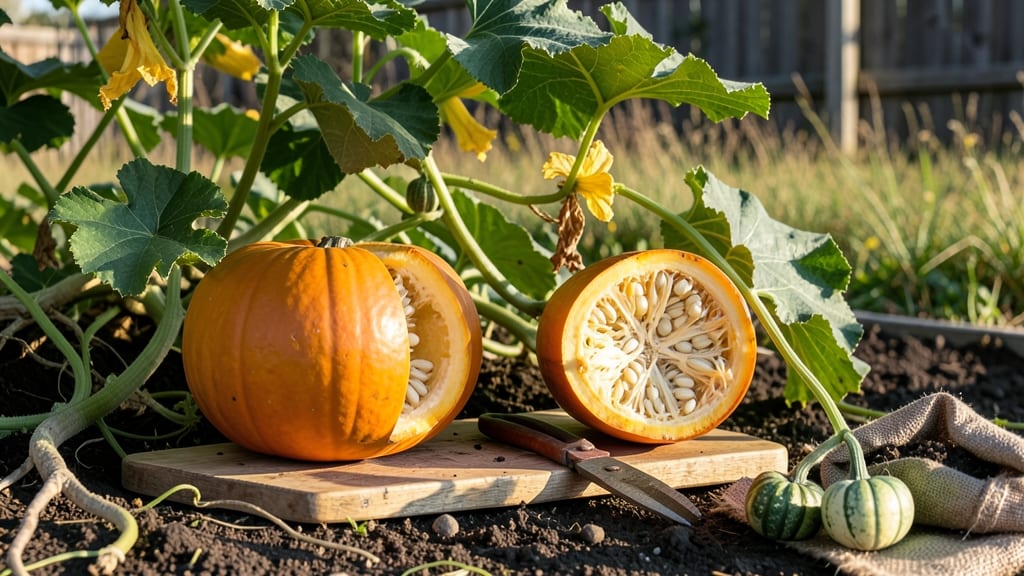
Chickens can eat whole pumpkin seeds in moderation, as they’re safe and packed with nutrients like magnesium and zinc. However, avoid feeding them raw seeds—always roast or cook first to prevent digestive issues. Limit portions to 1-2 tablespoons per chicken weekly to avoid overfeeding.
Pumpkin seeds offer a nutritional powerhouse for chickens, but their raw form can cause digestive upset due to hard shells and natural toxins. 💫 Roasting or lightly cooking them breaks down these barriers while preserving their benefits—think of it like pre-digesting the meal for your flock.
I’ve found that shelling and chopping the seeds makes them even easier for smaller chickens to consume, though whole seeds work fine for larger breeds. The key is balance: these seeds should complement their regular diet, not replace it entirely.
Beyond the basics, pumpkin seeds support feather health thanks to their zinc content and provide a healthy fat source for energy. Just watch for overfeeding signs like lethargy or weight gain—chickens are opportunistic eaters!
For variety, you can mix them with other safe seeds like sunflower or flax, but always introduce new foods gradually to avoid stomach upset.
💡 In This Article
- Nutritional Value of Pumpkin Seeds for Chickens
- Safe Pumpkin Seed Preparation and Serving Tips
Nutritional value of pumpkin seeds for chickens
Pumpkin seeds are a nutrient-dense treat for chickens, packed with 18-20% protein by weight—comparable to a small egg's protein content. This protein supports muscle development and feather maintenance, especially important for laying hens whose bodies require extra nutrients for egg production.
The seeds also contain healthy unsaturated fats (about 40-50% of their calories), providing concentrated energy for active chickens during cold months when foraging is less productive.
The real star nutrients are the minerals: pumpkin seeds contain 168mg of magnesium per ounce (about 40% of a chicken's daily requirement) and 2.5mg of zinc per ounce, both critical for immune function and shell formation.
Magnesium helps regulate muscle contractions and nerve function, while zinc supports wound healing and proper egg shell calcification. 🔥 What's fascinating is how these minerals work synergistically—zinc enhances magnesium absorption, creating a double benefit for your flock.
Cooking enhances digestibility by softening the hard outer shell (which can be a choking hazard for small chickens) while preserving these nutrients. Roasting at 350°F for 10-15 minutes actually increases the bioavailability of zinc by breaking down phytates—natural compounds that can inhibit mineral absorption when raw.
This is why cooked seeds are far more effective than raw ones, despite common misconceptions about losing nutrients through heat.
The fiber content (about 18% by weight) also plays a crucial role in digestive health, promoting gut motility and preventing issues like crop impaction—a common problem in chickens fed high-starch diets.
The combination of protein, fats, and fiber makes pumpkin seeds an excellent occasional supplement, particularly for broilers needing extra muscle development or hens producing multiple eggs weekly.
For visual comparison, imagine a 1-ounce serving (about 2 tablespoons) of pumpkin seeds laid out—this represents roughly 12% of a 4-pound chicken's daily caloric needs.
The seeds' small size means chickens can consume them without overloading their digestive systems, making them an ideal treat that delivers serious nutritional punch without risk of obesity when fed in moderation.
What most people overlook is how pumpkin seeds' antioxidant content (like vitamin E and carotenoids) supports cellular health in chickens, potentially extending their lifespan.
These compounds help neutralize free radicals that accumulate during stress or illness, acting like a natural immune booster—similar to how humans benefit from nuts in their diet.