
Container Gardens
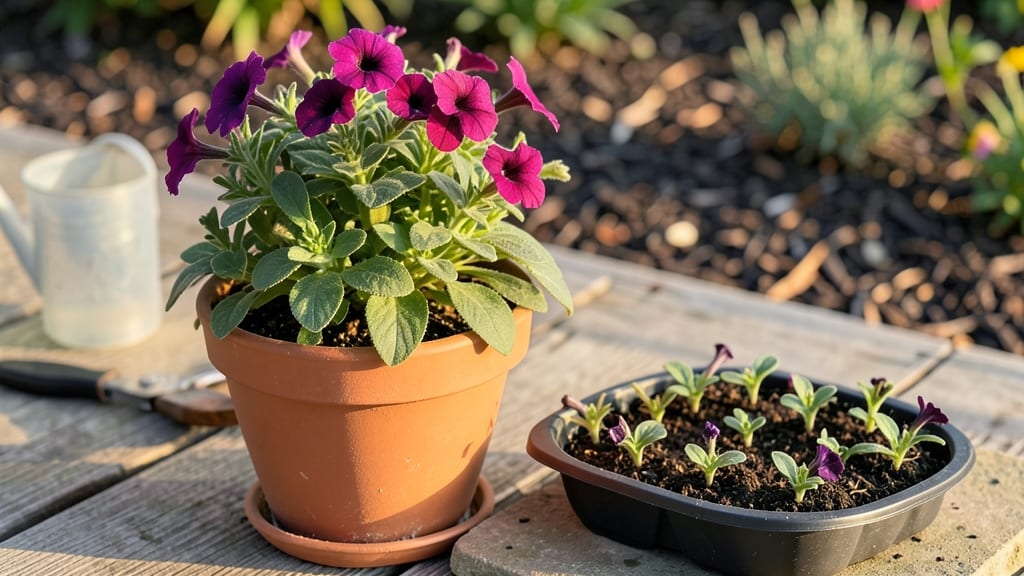
You can plant container variety seeds in the ground with soil and spacing adjustments, but verify root depth needs first—some compact plants adapt easily, while others require deeper beds or pruning to avoid root competition.
Many container-grown seeds actually thrive when transplanted to garden beds, especially if they're bred for compact growth like herbs, lettuce, or dwarf tomatoes. 🌱 The key is matching their root systems to your soil's depth—some varieties (like basil) handle the transition effortlessly, while others (like peppers) may need extra space to prevent overcrowding.
I always recommend loosening the soil and mixing in compost before planting to give those delicate roots a smoother adjustment period.
For spacing, I use the "mature size rule": measure the plant's final width in its container and double it for ground planting. For example, a 6-inch container tomato needs at least 12 inches between plants. This prevents root competition and ensures each plant gets proper airflow to fight disease.
A simple soil test can reveal if your garden bed needs amendments like perlite for better drainage—container soils often hold moisture differently than in-ground soil.
💡 In This Article
- How Container Seeds Adapt to Ground Planting
- Soil and Spacing Tips for Transplanting Potted Seeds
How container seeds adapt to ground planting
Container-grown plants develop specialized root systems to thrive in compact spaces, often with shallower, denser roots compared to their in-ground counterparts. The key difference lies in how they adapt to soil density—container soils are typically lighter and more porous, encouraging roots to grow outward rather than downward.
When transplanted to garden beds, these roots must adjust to heavier, more compacted soil, which can initially restrict growth if not properly amended. 🌱 For example, herbs like basil or thyme, bred for containers, have fibrous root systems that spread horizontally, making them adaptable to ground planting with minimal stress.
The biological mechanism behind this adaptation involves root plasticity—the ability of roots to change growth patterns in response to environmental cues. Container plants often develop a higher root-to-shoot ratio (more roots relative to foliage) to maximize nutrient uptake in limited soil volumes.
In garden beds, this ratio may shift as roots encounter deeper, nutrient-rich soil, potentially leading to faster vertical growth if spacing allows.
However, some varieties like cherry tomatoes or peppers, which are often container-bred for compact growth, may struggle with deeper root expansion and require pruning or staking to prevent overcrowding.
Soil moisture retention is another critical factor. Container soils dry out faster than garden soil, causing plants to develop drought-resistant traits like thicker cuticles or deeper root hairs.
When moved to ground beds, these plants may initially overwater if not adjusted—soil stays moist longer, and roots can "drown" if drainage isn't improved.
Adding perlite or coarse sand to garden soil mimics container-like drainage, helping prevent root rot in sensitive varieties. 💧 For instance, lettuce and spinach, which thrive in containers, often bolt (go to seed prematurely) in ground beds if soil stays too wet.
Light exposure also plays a role in adaptation. Container plants often grow taller or leggier to reach sunlight in confined spaces, while ground plants develop broader canopies. Transplanting container-grown seedlings into garden beds can lead to "shock" if they're suddenly exposed to more light without proper acclimation.
Hardening off (gradually exposing plants to outdoor conditions over 7-10 days) helps mitigate this by strengthening cell walls and reducing transplant stress. For example, a container-grown pepper plant may need gradual sunlight increases to avoid sunburn on leaves.
Not all container varieties adapt equally—herbs like cilantro or parsley typically handle ground planting with ease, while fruiting plants like eggplants or peppers may require deeper soil (at least 12-18 inches) to support their heavier root systems.
The rule of thumb is to match the container's depth to the plant's mature root length: a 6-inch container tomato may need a 12-inch-deep garden bed to thrive. Pruning lower leaves during transplanting can also encourage roots to grow deeper rather than staying shallow.
One surprising adaptation is how container plants often produce more vigorous growth in garden beds once established. The increased soil volume and nutrient availability can lead to larger yields—container-grown basil, for example, may double its leaf production within weeks of transplanting.
However, this requires monitoring for pests or diseases, which thrive in the denser plant populations of garden beds. 🌿 Rotating crops or using organic mulch can help maintain the balance container plants need to flourish outdoors.