
Light Requirements
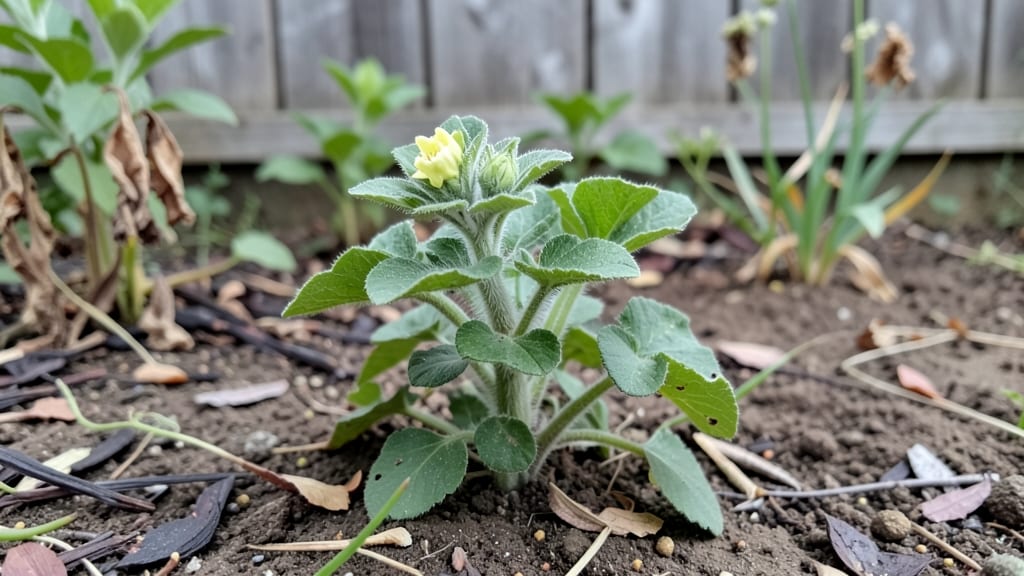
Growing Chinese lantern seedlings thrives when you mimic their natural cold-moist cycle. 🌱 I’ve watched these delicate plants transform from tiny sprouts into vibrant orange lanterns by following one key trick: a chilly, damp start that tricks them into strong root growth.
The secret isn’t complicated—just patience and the right conditions to wake them up gently.
You’ll need well-draining soil mixed with compost, a cool spot (like a basement or fridge shelf for 4-6 weeks), and consistent moisture—never soggy, but never bone-dry. Most beginners overwater or rush the cold treatment, which leads to leggy, weak seedlings.
I’ve learned that a slow start prevents that stretchy growth and ensures sturdy stems ready for spring planting.
By the time you transplant them outdoors after last frost, your seedlings will be compact and lush, bursting with energy. The payoff? Clusters of those iconic paper lantern blooms that last from summer through fall, turning your garden into a whimsical display.
This method works whether you’re starting from seed or nurturing young transplants.
For cooler climates, you can even direct-sow in fall for an early spring jumpstart. The key is keeping that soil consistently moist during germination—just enough to encourage roots without drowning them. Trust the process, and you’ll have a garden full of cheerful orange surprises next year.
📚 In This Guide
- What you need
- Instructions
- Tips and common mistakes
- Wrapping up and next steps
What you need
- ● Chinese lantern seeds: 10–20 seeds (organic, untreated for best results)
- ● Seed-starting mix: 2–3 quarts of sterile, well-draining potting soil (or coco coir)
- ● Containers: 4–6 small pots (3–4 inches deep) or a seed tray with drainage holes
- ● Watering can or spray bottle: For gentle moisture control
- ● Plastic wrap or humidity dome: To retain moisture during germination
- ● Grow lights or sunny windowsill: 6–8 hours of indirect light daily
- ○ Thermometer (optional but helpful): Ideal germination temp: 65–75°F (18–24°C)
- ● Plant labels: To track seedling progress
- ● Fertilizer (balanced 10-10-10 or seaweed extract): Light dose after sprouting
- ○ Heat mat (optional): Speeds up germination in cooler climates
- ● Pruning shears: For trimming leggy seedlings later
Step-by-Step instructions for growing Chinese lantern seedlings
This cold-moist method guarantees strong, vibrant seedlings ready for spring planting.
🌱 Step 1: Choose and Prepare Containers
Start with 4-inch diameter pots—Chinese lanterns need room to develop roots before transplanting. Fill each pot with a mix of 50% potting soil and 50% perlite to improve drainage while keeping moisture. Tap the pot gently to settle the mix without compacting it too tightly.
Here's the thing—Chinese lanterns thrive in slightly acidic soil. If your potting mix isn't labeled as such, add a teaspoon of sulfur per pot to adjust the pH. Water the mix thoroughly until it feels evenly damp but not soggy. You'll know it's right when water runs out the drainage hole but doesn't pool at the bottom.
🌱 Step 2: Sow Seeds at the Right Depth
Plant 2-3 seeds per pot at a depth of ¼ inch. Press them lightly into the soil so they make good contact but don't bury them too deep—this ensures they won't struggle to reach the surface. Cover the seeds with a thin layer of soil, then mist the surface with water until it's evenly moist.
Don't overwater now. You want the soil to stay consistently damp, not waterlogged. Place the pots in a warm spot, ideally at 65-70°F, and cover them with a clear plastic dome or wrap to retain humidity. This creates the perfect environment for germination, which should happen in 14-21 days.
💧 Step 3: Maintain Moisture and Light
Once the seeds sprout, remove the plastic cover immediately to prevent damping-off—a fungal disease that attacks young seedlings. Keep the soil moist by watering gently every 2-3 days, but only until the top inch feels dry. You'll notice the seedlings will start to wilt slightly if they need water, so don't wait until the soil is bone-dry.
Place the pots in a spot with bright, indirect light for the first week. After that, gradually introduce them to 4-6 hours of morning sun daily. This slow transition prevents shock and helps the seedlings develop strong stems. Watch for the first set of true leaves—these will be the second pair of leaves that appear after the initial seed leaves.
✂️ Step 4: Thin and Harden Off Seedlings
When the seedlings reach 2 inches tall, thin them to the strongest one per pot. Use scissors to snip the weaker stems at the soil line—this is gentler than pulling and reduces the risk of disturbing the roots of the remaining seedling. Keep the soil moist and continue providing bright light to encourage sturdy growth.
About 4-6 weeks before your last frost date, start hardening off the seedlings. Place them outside in a sheltered spot for 1-2 hours the first day, then gradually increase their outdoor time over 10-14 days. This process helps them adjust to cooler temperatures and prevents transplant shock. You'll know they're ready when they can handle a full day outside without wilting.
🪴 Step 5: Transplant for Spring Blooms
Transplant the hardened-off seedlings into the garden after the last frost date, spacing them 12-18 inches apart in well-draining soil. Water them thoroughly after planting to help the roots establish. Chinese lanterns love full sun to partial shade, so choose a spot that gets at least 6 hours of sunlight daily.
Keep the soil consistently moist but not waterlogged, especially during the first few weeks after transplanting. Mulch around the base of the plants with 2-3 inches of organic mulch to retain moisture and suppress weeds. With proper care, you'll be rewarded with vibrant blooms next spring that will last well into summer.
Tips & tricks for perfect Chinese lantern seedlings
These little tricks will help you grow the strongest, most vibrant seedlings that'll reward you with stunning blooms next season.
Soil Mix Secret: The 50/50 potting soil to perlite ratio in Step 1 is key for that perfect moisture balance. I've found that adding a handful of coconut coir to each pot gives even better moisture retention without risking root rot. Just make sure your containers have drainage holes—this prevents soggy soil that can kill seedlings before they even sprout.
Germination Environment: Those 14-21 days for germination can feel like forever, but maintaining that 65-70°F temperature is critical. I place my seedling trays on top of my fridge (which stays warm) and cover them with clear plastic wrap. This creates a mini greenhouse effect that speeds up germination while keeping the soil consistently moist. Watch for condensation on the plastic—this means you've got the humidity just right!
Light Transition Strategy: In Step 3, when you're gradually introducing those 4-6 hours of morning sun, I recommend starting with just 1-2 hours on the first day. This slow acclimation prevents sunburn on delicate seedlings. You'll notice them leaning toward the light—that's normal! Just rotate the pots daily so they grow straight and sturdy.
Thinning Technique: When thinning in Step 4, I've learned that using small, sharp scissors is gentler than pulling. Snip at the soil line rather than yanking—this minimizes root disturbance for the remaining seedling. I also like to water the pots thoroughly before thinning so the soil stays moist around the roots of the plant you're keeping.
Pro Tips for Chinese Lantern Seedling
- These little tricks will help you grow the strongest, most vibrant seedlings that'll reward you with stunning blooms next season.
- Soil Mix Secret: The 50/50 potting soil to perlite ratio in Step 1 is key for that perfect moisture balance.
- Germination Environment: Those 14-21 days for germination can feel like forever, but maintaining that 65-70°F temperature is critical.
Frequently asked questions
Got questions about growing Chinese lantern seedlings? You’re not alone!
Here are answers to the most common queries to help you succeed with this striking plant.
When is the best time to start Chinese lantern seedlings indoors?
For vibrant blooms next spring, start seeds 8–10 weeks before your last frost date (typically late winter/early spring). This gives seedlings enough time to grow sturdy before transplanting. Use a warm seed-starting mat (70–75°F) to speed up germination, which usually takes 14–21 days.
How much moisture do Chinese lantern seedlings need?
Keep soil consistently moist but not soggy—overwatering can cause damping-off disease. Use a spray bottle for delicate seedlings and bottom-water when possible. Once true leaves appear, reduce frequency slightly but maintain humidity with a clear plastic dome or tray of pebbles.
Can Chinese lantern seedlings survive a light frost?
Mature plants tolerate light frosts (28–32°F), but seedlings are far more sensitive. If frost is forecasted, cover them with frost cloth or move pots to a sheltered, sunny spot. Avoid transplanting until soil temps stay above 50°F at night to prevent shock.
What’s the best alternative if my seedlings aren’t germinating?
Try these fixes:
- Warmth: Place seeds on a heating pad or near a sunny window.
- Light: Use a grow light 12–14 hours/day once sprouts emerge.
- Fresh seeds: Chinese lantern seeds lose viability after 2–3 years.
- Soil mix: Amend with perlite or vermiculite for better drainage.
Why are my seedlings stretching tall and leggy?
Leggy seedlings = not enough light! Move them within 2–3 inches of grow lights (12–16 hours/day) or rotate pots daily for even growth. Once outdoors, harden off seedlings by gradually increasing sun exposure over 7–10 days to avoid sunburn.
Still stumped? Drop your question in the comments—we’re happy to help!
Wrapping up and next steps
Growing Chinese lantern seedlings with the cold-moist trick is your secret weapon for vibrant, early blooms next spring! 🌱 By mastering light, temperature, and moisture, you’ll nurture strong, healthy plants that reward you with stunning autumn color.
The key? Patience and precision—but trust the process, and your garden will thank you!
Ready to take the next step? Start your seedlings indoors now (if your climate allows) or mark your calendar to plant outdoors in early spring. Watch them thrive—and soon, your neighbors will be asking for your foolproof method! 🌟