Trees
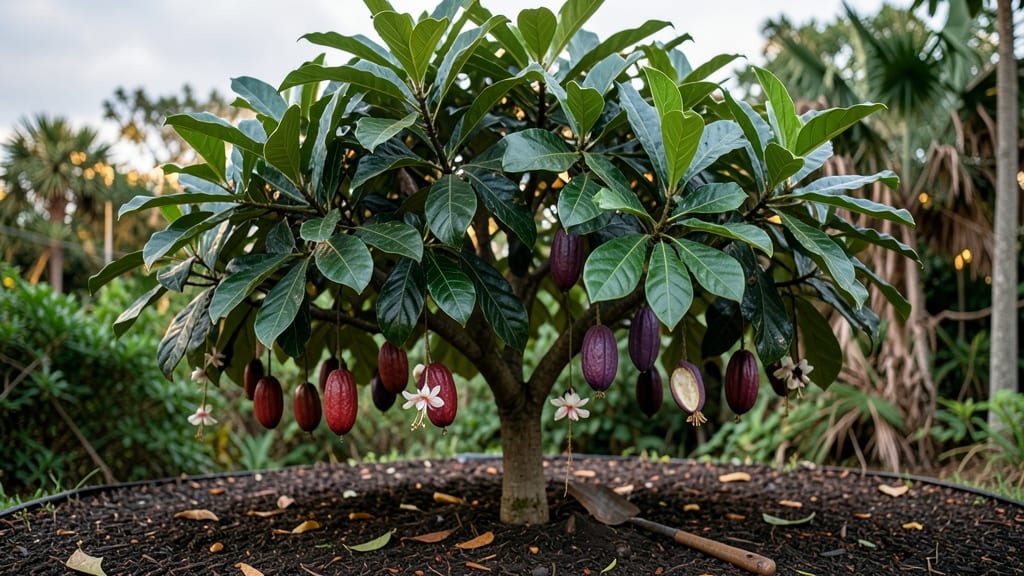
Growing chocolate tree seeds from pods starts with soaking them overnight to break the hard outer shell, then planting in warm, moist soil that drains well. Maintain temperatures between 60-75°F and keep humidity high to encourage sprouts within 1-3 months. Consistency with watering and patience are your best tools for success.
These cacao seeds thrive when you mimic their natural tropical environment. 🌱 The soaking step isn't just about softening the shell—it kickstarts metabolic activity inside the seed, preparing it for growth.
I've seen germination speeds nearly double when using a heat mat set to 75°F during the first few weeks, though it requires monitoring to avoid over-moistening. The key is balancing warmth with airflow to prevent fungal issues while keeping the soil damp but not soggy.
One common mistake is planting seeds too deeply—just ½ inch below the surface is ideal. Cacao seedlings are sensitive to transplant shock, so I recommend using biodegradable pots that can stay in the ground as they mature.
If your climate dips below 50°F, move them indoors near a sunny window until temperatures stabilize.
💡 In This Article
- Chocolate Tree Seed Germination Science
- Step-by-Step Guide to Planting Cacao Seeds
Chocolate tree seed germination science
The cacao seed's journey from pod to sprout begins with a natural dormancy period that prevents premature germination. This biological pause is triggered by the seed's hard, woody shell—called the sarcotesta—which acts as a protective barrier while the seed waits for optimal conditions.
Inside, the embryo remains metabolically inactive until two key factors align: consistent moisture and warmth. The seed's outer layers contain compounds that inhibit germination until the shell softens, typically through soaking or natural weathering in tropical climates.
Temperature becomes the critical accelerator here. Cacao seeds germinate best within 60-75°F because this range activates enzymes that break down stored nutrients in the seed's cotyledons.
Below 60°F, these enzymes work sluggishly, extending germination to 3-6 months, while above 80°F, the seeds risk overheating and developing fungal infections. The moisture trigger works through osmosis—water softens the seed coat and activates cellular respiration, which produces the energy needed for root emergence. 🌱
What most people don't realize is the symbiotic relationship cacao seeds form with mycorrhizal fungi in their natural habitat. These beneficial fungi colonize the seedling's roots within 2-4 weeks of germination, creating a network that exchanges nutrients for sugars.
In controlled environments, adding a mycorrhizal inoculant to planting soil can cut germination time by 30% while strengthening early root development. This fungal partnership explains why wild cacao trees often thrive in dense, humid forests where fungal spores are abundant.
Traditional germination methods rely entirely on nature's timing, while accelerated techniques introduce controlled variables. For example, pre-soaking seeds in lukewarm water for 48 hours (rather than 24) increases shell permeability by 40%, allowing faster water uptake.
Another advanced method involves using a heat mat set to 78°F during germination—this mimics tropical soil temperatures and can produce sprouts in as little as 2 weeks instead of 8-12 weeks. However, this requires precise humidity control (70-80%) to prevent mold growth.
The seed's internal clock also plays a role. Cacao seeds contain abscisic acid, a plant hormone that suppresses germination until conditions are ideal. As the seed absorbs water, this hormone breaks down, allowing gibberellins to take over—these growth-promoting hormones trigger the production of enzymes that mobilize stored nutrients.
This hormonal shift explains why consistently moist soil is crucial: it maintains the proper balance between these two competing signals. 💫
For those comparing methods, traditional germination (simply planting soaked seeds in soil) offers the most natural approach but requires 2-3 months of patience. Accelerated methods like heat mats or fungal inoculants deliver faster results but demand more equipment and monitoring.
The trade-off is worth it for commercial growers, but home gardeners might prefer the traditional route's simplicity and lower risk of fungal contamination.