
Watering
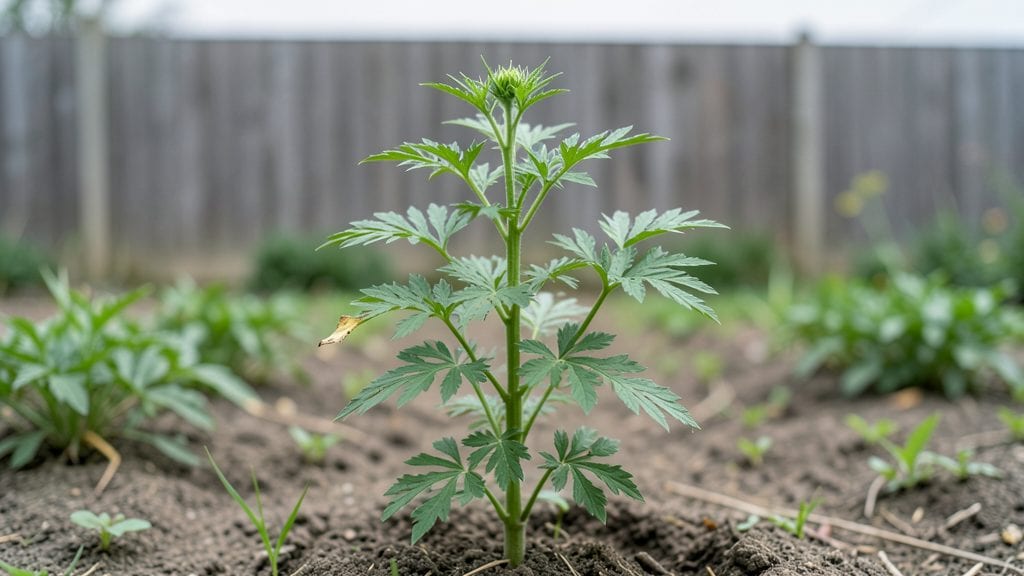
Growing cosmos bipinnatus seedlings starts with keeping them just moist enough to thrive without drowning—my first batch turned to mush because I overwatered, and I won’t make that mistake again. 🌱 The secret lies in balancing soil moisture while giving those delicate stems room to breathe, so they develop strong roots before reaching for the sky.
You’ll need a sunny spot, well-draining soil, and patience as they grow from tiny sprouts into towering stems ready for blooms.
These seedlings love warmth and sunlight, so aim for a spot with at least 6 hours of direct light daily—a south-facing window or a grow light works perfectly.
The soil should stay consistently moist but never soggy, which means watering when the top inch feels dry to the touch. Overwatering is the fastest way to invite rot, while underwatering stunts their growth, so finding that sweet spot is key to sturdy, vibrant plants.
By the time they’re ready to transplant—usually 6-8 weeks after germination—your cosmos seedlings will be stocky, with true leaves unfurling like little sails. The first blooms appear in 8-10 weeks, and once established, they’re nearly indestructible, thriving in zones 3-11 with minimal fuss.
The payoff? A summer filled with effortless, cheerful blooms that attract butterflies and hummingbirds.
Here’s where it gets interesting—cosmos seedlings actually hate being disturbed, so handle them gently when transplanting. A 1-inch deep hole and a light pat of soil around the roots keeps them happy, and they’ll bounce back from minor setbacks.
Whether you’re a beginner or a seasoned gardener, these plants reward consistency with stunning, low-maintenance beauty.
📚 In This Guide
- What you need
- Instructions
- Tips and common mistakes
- Wrapping up and next steps
What you need
- ● Seeds: 10–20 Cosmos bipinnatus seeds (non-GMO, untreated for best germination)
- ● Seed-starting mix: 2–3 cups of sterile, well-draining potting soil (look for a blend labeled "seed-starting" or "organic seedling mix")
- ● Containers: 2–4 small seed trays (biodegradable or plastic, with drainage holes)
- ● OR 6–12 small pots (2–3 inches deep)
- ● Watering tools: Spray bottle (for gentle misting)
- ● OR a watering can with a fine rose attachment
- ● Humidity dome or plastic wrap: 1 sheet (to retain moisture during germination)
- ● Grow lights or sunny windowsill: A full-spectrum LED grow light or a south-facing window (6+ hours of indirect light daily)
- ● Plant labels: Small sticks or tags (to track seedling varieties)
- ● Tweezers or small spoon: For careful seed placement
- ○ Thermometer (optional): To monitor soil temp (ideal: 65–75°F for germination)
- ○ Fertilizer (optional): 1 tsp diluted fish emulsion or seaweed extract (after seedlings sprout)
- ● OR a balanced liquid fertilizer (5-5-5 ratio)
- ● Transplanting tools (later stage): Larger pots (4–6 inches) or garden bed prepared with compost
- ● Garden trowel (for transplanting)
Step-by-Step instructions for cultivating lush cosmos bipinnatus seedlings
Here’s how to nurture delicate cosmos seedlings into sturdy, blooming plants with perfect moisture balance.
🌱 Step 1: Prepare the Ideal Germination Environment
Start by filling your seed trays with the 2 gallons of seed-starting mix—lightweight and sterile to prevent damping-off. Press the mix gently to remove air pockets but avoid compacting it. Cosmos seeds germinate best in warm soil (70-75°F), so place the tray on a seedling heat mat if your space runs cooler.
Sow seeds ¼ inch deep, spacing them ½ inch apart in rows. A fine mist from a spray bottle keeps them moist without displacing them. Cover the tray with a clear plastic dome or plastic wrap to retain humidity. Check daily—condensation should form on the underside of the cover, but never let water pool on the soil surface.
💧 Step 2: Maintain Consistent Moisture Without Overwatering
Once seeds sprout (typically 7-14 days), remove the cover immediately to prevent fungal growth. Cosmos seedlings thrive when the top ½ inch of soil feels lightly moist—like a wrung-out sponge. Water gently at the base using a small watering can with a fine rose attachment to avoid disturbing tender stems.
Here’s the thing—cosmos seedlings hate soggy roots. If leaves yellow or stems soften, you’re overwatering. Instead, let the soil dry slightly between waterings. A moisture meter helps, but your finger works too: stick it in and feel for dampness just below the surface.
☀️ Step 3: Acclimate to Bright, Indirect Light
Seedlings need bright light (12+ hours daily) but no direct sun until they develop true leaves—the second set after the initial cotyledons. Place them near a south-facing window or under a grow light kept 4 inches above the tray. If stems stretch toward the light (leggy growth), lower the light or move the tray closer.
Rotate the tray quarter-turn daily so seedlings grow straight, not lopsided. You’ll know they’re happy when leaves are dark green and compact, not pale or sparse. Avoid cold drafts—cosmos wilt easily when shocked by temperature swings.
🌿 Step 4: Harden Off and Transplant for Robust Growth
Two weeks before your last frost, start hardening off seedlings by placing them outside in partial shade for 1 hour daily. Gradually increase exposure over 7-10 days, ending with full sun. Watch for wilting—if it happens, they’re not ready yet. Cosmos tolerate heat well once established, but abrupt sun exposure burns tender leaves.
Transplant when seedlings are 3-4 inches tall and have 4-5 true leaves, using the 4-inch pots filled with the 2 gallons of well-draining potting mix. Bury stems slightly deeper than in the tray—this encourages stronger root systems. Water deeply after planting to settle soil around roots.
✂️ Step 5: Prune for Bushier Blooms and Pest Prevention
Once seedlings reach 6 inches tall, pinch back the main stem just above a set of leaves to encourage branching. This creates a bushier plant with more blooms. Use clean, sharp scissors to avoid tearing stems. Deadhead spent flowers regularly to redirect energy into new blooms.
Check undersides of leaves weekly for aphids or spider mites—common pests that drain cosmos vigor. Spray with neem oil (mixed per package instructions) at the first sign of infestation. Cosmos are generally low-maintenance, but consistent pruning and pest control keep them thriving all season.
Tips & tricks for moisture-balanced cosmos seedling growth
Mastering the delicate balance of moisture is what separates thriving cosmos seedlings from leggy, struggling plants. Here's what I've learned from years of growing these delicate beauties.
Soil Temperature Secret: In Step 1, maintaining that 70-75°F soil temperature is non-negotiable for germination. I use a seedling heat mat set to 75°F and monitor with a soil thermometer. If your space runs cooler, consider a small greenhouse tent with a built-in heater—cosmos seeds simply won't sprout reliably below 68°F. The key is consistency; temperature swings of more than 5°F can cause uneven germination.
Moisture Meter Mastery: When you're checking that ½ inch of lightly moist soil in Step 2, here's the trick: insert your finger about ½ inch deep—it should feel damp but not wet. If it's dry, water thoroughly; if it's soggy, hold off. I've found that morning watering works best because the soil has time to dry slightly before evening. The goal is to mimic spring rainfall patterns—consistent but never saturated.
Light Balance Technique: For that critical 12+ hours of bright light in Step 3, position your seedlings within 4 inches of the grow light (or south-facing window). I rotate my trays every 8 hours instead of quarter-turn daily to prevent any light bias. Watch for the classic "leggy" growth—if stems stretch more than 2 inches between leaves, you need more light. Remember, cosmos seedlings will grow toward any light source, even a nearby lamp.
Transplanting Pro Tip: When you're ready to move to 4-inch pots in Step 4, bury stems slightly deeper than they were in the tray—this creates stronger root systems. I always water the pots thoroughly before transplanting, then let them sit for 1 hour to settle. This prevents transplant shock and gives roots immediate access to moisture. After planting, place pots in partial shade for 24 hours to help them recover from the stress.
Pro Tips for Cosmos Bipinnatus Seedling
- Mastering the delicate balance of moisture is what separates thriving cosmos seedlings from leggy, struggling plants.
- Soil Temperature Secret: In Step 1, maintaining that 70-75°F soil temperature is non-negotiable for germination.
- Moisture Meter Mastery: When you're checking that ½ inch of lightly moist soil in Step 2, here's the trick: insert your finger about ½ inch deep—it should feel damp but not wet.
Frequently asked questions
Got questions about growing Cosmos bipinnatus seedlings?
You’re not alone! Here are some of the most common queries—plus straightforward answers to help your seedlings thrive into vibrant blooms.
How often should I water Cosmos bipinnatus seedlings?
Keep the soil consistently moist but not soggy—water lightly every 2–3 days, or daily if the top inch feels dry. Once seedlings sprout true leaves (not the initial seed leaves), reduce frequency slightly to prevent damping off. A spray bottle works great for gentle hydration!
When is the best time to transplant Cosmos bipinnatus seedlings?
Transplant after the last frost when soil temperatures reach 55°F (13°C) and seedlings have 2–3 sets of true leaves (usually 4–6 weeks after sowing). Harden off seedlings for 7–10 days by gradually exposing them to outdoor conditions to avoid shock.
What if my seedlings look leggy or weak?
Leggy seedlings often mean too little light or overcrowding. Move them to a sunny window or grow light immediately and thin seedlings to 12–18 inches apart. Pinch back the tips to encourage bushier growth—this redirects energy to root and stem development.
Can I grow Cosmos bipinnatus from cuttings instead of seeds?
Yes! Take 4–6 inch cuttings from healthy stems, strip lower leaves, and dip in rooting hormone. Plant in moist perlite or sand, cover with a plastic bag, and keep in bright, indirect light. Roots form in 2–4 weeks—a great way to propagate existing plants!
Why are my seedlings turning yellow or wilting?
Yellowing leaves often signal overwatering or nutrient deficiency. Check drainage—ensure pots have holes—and let the topsoil dry slightly between waterings. For wilted seedlings, trim damaged leaves and repot in fresh, well-draining soil. A balanced fertilizer (like 10-10-10) can revive lackluster growth.
Pro tip: Monitor soil moisture with your finger—stick it in 1 inch deep. If it’s dry, water; if damp, wait. Cosmos bipinnatus seedlings hate soggy roots but love consistent care!
Wrapping up and next steps
Growing Cosmos bipinnatus seedlings into vibrant, blooming plants is all about striking the right balance—especially when it comes to moisture! By using the right materials, monitoring soil conditions, and adjusting your watering routine, you’ll set your seedlings up for success.
Remember, consistency is key, and a little patience goes a long way.
Now that you’re armed with the know-how, it’s time to roll up your sleeves and give your seedlings the love they deserve. Ready to watch them flourish? Start with your first watering session today and enjoy the journey of nurturing these cheerful blooms! 🌱✨