
Vegetables
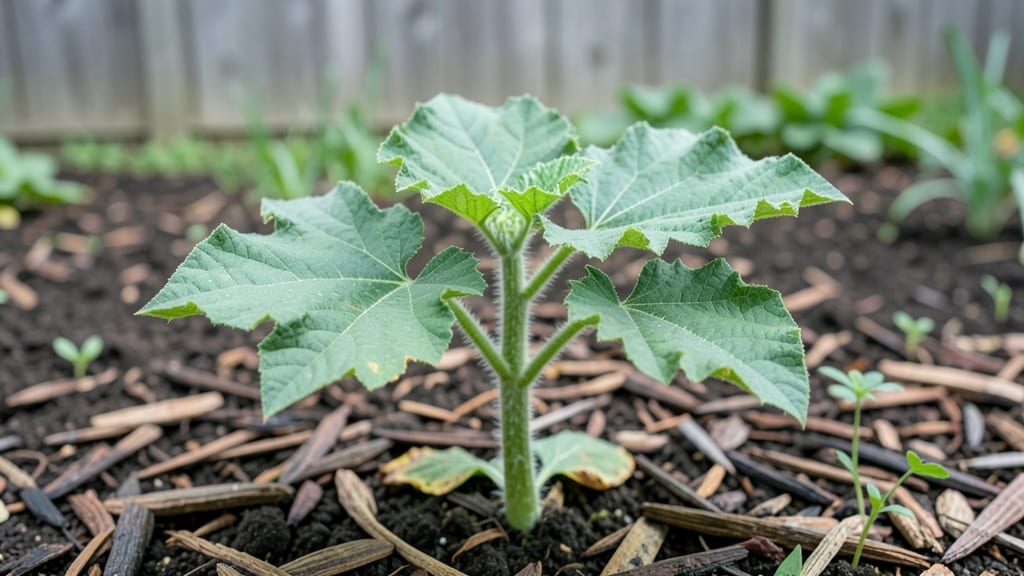
The key to successful cucumber seedling identification lies in spotting their lobed leaves—three to five rounded teeth per leaf, with a slightly fuzzy texture that feels like velvet. 🌱 My first year, I nearly yanked out a batch because I confused them with zucchini, but those have more pronounced ridges and a waxier finish.
Healthy cucumber seedlings grow fast—expect 1-2 inches per week—with stems that stay green and sturdy, not leggy or yellowing. Bush varieties stay compact, while vining types send out long runners early.
I always check the cotyledons (first true leaves) for color: true cucumber leaves emerge dark green, while stressed seedlings turn pale or develop brown spots.
By the third week, you’ll spot the telltale five-pointed leaves that set cucumbers apart from squash. These seedlings also develop tendrils near the leaf joints, a dead giveaway. If yours look stunted or have holes, it’s often aphids or overwatering—both fixable with neem oil or adjusting your watering schedule.
This works for both slicing and pickling varieties, though heirlooms might have slightly larger leaves. Keep a notebook with your seed packet details—it’s the fastest way to spot mistakes before they become problems. Once you’ve got the eye for it, you’ll never confuse them again.
Root Causes Of Misidentification
Understanding why cucumber seedlings can be tricky to identify starts with recognizing the environmental, biological, and human factors that create confusion. Whether you're a seasoned gardener or a beginner, these pitfalls can lead to misdiagnosis—especially in early growth stages. Below, we break down the science behind the most common challenges.
Cucumber seedlings (Cucumis sativus) can resemble other young plants like squash, melons, or even weeds during their first few weeks. This happens because:
- Similar cotyledons (seed leaves): Many plants in the Cucurbitaceae family (which includes cucumbers, melons, and squash) produce round, lobed, or heart-shaped seed leaves that look nearly identical at first glance. - True leaves emerge slowly: Cucumber seedlings may take 7–14 days to develop their distinctive palmate (hand-like) leaves with 5–7 lobes.
Before then, they can be mistaken for: - Zucchini or pumpkin seedlings (also Cucurbits, but with slightly different leaf textures). - Weeds like lambsquarters (which have smooth, arrowhead-shaped leaves). - Radish or mustard greens (if planted in mixed trays).
🔍 Actionable Fix:
- Wait for true leaves (the second set after cotyledons) to appear—they’re the best identifier.
- Check leaf arrangement: Cucumber seedlings have alternate leaves (one leaf per node), while some weeds have opposite or whorled patterns.
Extreme or inconsistent growing conditions can stunt or distort cucumber seedlings, making them harder to recognize. Key triggers include:
- Cold soil temperatures (<50°F/10°C): Slows germination and causes pale, weak stems with small, yellowish leaves—easily confused with damping-off fungus or nutrient deficiency.
- Too much direct sunlight (especially in hot climates): Leads to thick, leathery leaves that may resemble heat-stressed squash rather than healthy cucumbers.
- Low light conditions: Produces long, leggy seedlings with small, sparse leaves, mimicking etiolation (a sign of poor growth, not a species trait).
⚠️ Pro Tip:
- Use a seedling heat mat (70–80°F/21–27°C) for faster, stronger germination.
- Provide 12–16 hours of light (grow lights help) to prevent legginess.
Pathogens and pests can alter leaf shape and growth patterns, making seedlings look like a different plant entirely. Common culprits:
| Issue | Symptoms | Why It Happens |
|---|---|---|
| Downy Mildew | Yellow spots, fuzzy white growth | Fungal spores thrive in cool, humid conditions (60–75°F/15–24°C). |
| Powdery Mildew | White powdery coating on leaves | Fungus spreads in poor air circulation and high humidity. |
| Aphids | Curled, sticky leaves | Sap-sucking insects distort leaf growth, making them look deformed. |
| Cucumber Beetles | Jagged holes, wilting | Larvae chew on stems and leaves, causing stunted, irregular growth. |
🛡️ Prevention:
- Space seedlings properly (6–12 inches apart) for airflow.
- Use row covers to block pests before they strike.
- Spray neem oil (early treatment) to deter insects.
Nutrient imbalances or compacted soil can stunt seedlings, making them resemble unhealthy or entirely different plants. Key issues:
- Overly wet soil: Causes root rot (dark, mushy stems) and yellowing leaves—often mistaken for underwatering in other species.
- Nitrogen deficiency: Leads to small, pale leaves with dark green veins, mimicking phosphorus deficiency in other crops.
- Compacted or rocky soil: Restricts root growth, resulting in twisted, stunted seedlings that may look like weedy growth rather than cucumbers.
💡 Soil Test Solution:
- Test pH (6.0–6.8 is ideal)—cucumbers hate acidic or alkaline extremes.
- Amend soil with compost before planting to improve drainage and fertility.
- Use a balanced fertilizer (10-10-10) at planting to avoid nutrient shocks.
Even the most experienced gardeners can misidentify seedlings due to:
- Focusing on wrong traits: Relying on stem thickness or seedling height instead of leaf shape (cucumbers can have thin stems early on).
- Ignoring growth patterns: Cucumber seedlings grow rapidly—if checked too late, they may bolt (send up flowers) before true leaves develop.
- Mixing varieties: Some heirloom or hybrid cucumbers (like ‘Lemon Cucumber’) have different leaf serrations than standard varieties.
🎯 Quick ID Cheat Sheet: ✅ Cucumber: 5–7 lobed leaves, slightly serrated edges, alternate arrangement. ❌ Squash: Leaves are larger, more deeply lobed, often with hairy stems. ❌ Weeds (e.g., pigweed): Leaves are arrow-shaped with smooth edges.
If you’re growing multiple cucurbits (like cucumbers, melons, and squash) nearby, cross-pollination can lead to hybrid seedlings with unpredictable traits.
For example: - A cucumber pollinated by a zucchini blossom might produce a seedling with intermediate leaf characteristics. - Volunteer plants (self-seeded cucumbers from last year) can sprout with different vigor than intended varieties.
🚫 Avoid Cross-Contamination:
- Isolate varieties by at least 500 feet if growing different cucurbits.
- Remove male flowers if saving seeds for true-to-type plants.
Quick Fixes for Common Seedling Struggles
Now that you know why your cucumber seedlings might be acting up, let’s tackle the fixes—practical, step-by-step solutions to get them thriving again. Whether your seedlings are leggy, wilting, or stunted, these fixes will help you diagnose and correct the issue fast.
And don’t worry—we’ll also share prevention tips so you can avoid these problems next time!
Cause: Seedlings stretching toward light (etiolation) or overcrowding. Fix:
- 🔥 Move Them Closer to Light – Place seedlings within 6–12 inches of a bright grow light (LED or fluorescent) or a sunny south-facing window. If they’re already tall and thin, they may not recover fully, so consider transplanting deeper to encourage root growth.
- 👨🍳 Thin or Transplant – If seedlings are packed too tightly, gently separate them, leaving 12–18 inches between plants. Use a small trowel to loosen roots before replanting.
- 🥘 Fertilize Lightly – Add a balanced, water-soluble fertilizer (like 5-5-5) at half-strength to boost growth without burning tender seedlings.
💡 Prevention Tip:
- Start seeds indoors under grow lights (12–16 hours/day) if natural light is weak.
- Use seedling trays with drainage to prevent soggy roots, which slow growth.
Cause: Soggy soil, fungal diseases (like damping-off), or poor drainage. Fix:
- ⏰ Adjust Watering – Let the top 1–2 inches of soil dry out between waterings. Use a moisture meter or stick your finger in the soil to check.
- 🔪 Improve Drainage – If seedlings are in containers, add perlite or vermiculite to the soil mix. For garden beds, amend soil with compost or sand to loosen it.
- 🌡️ Treat Fungal Issues – If leaves are mushy at the base (damping-off), sprinkle copper fungicide or a baking soda solution (1 tsp baking soda + 1 quart water) on the soil.
💡 Prevention Tip:
- Sterilize tools and trays between uses to prevent disease spread.
- Water at the base (not overhead) to keep leaves dry.
Cause: Lack of nitrogen, phosphorus, or potassium; compacted soil. Fix:
- 📊 Test Your Soil – Use a DIY soil test kit (or send a sample to a local extension office). If nutrients are low, amend with:
- Nitrogen (for leaves): Coffee grounds, fish emulsion, or blood meal.
- Phosphorus (for roots): Bone meal or rock phosphate.
- Potassium (for overall health): Wood ash or banana peel tea.
- 🥗 Loosen the Soil – Gently fork or rake around seedlings to aerate compacted soil. Add compost or aged manure for organic matter.
💡 Prevention Tip:
- Pre-plant with compost (2–3 inches mixed into the top 6 inches of soil).
- Rotate crops—don’t plant cucumbers in the same spot year after year.
Cause: Aphids, cucumber beetles, or spider mites feasting on tender seedlings. Fix:
- 🔪 Handpick Pests – Check leaves daily and drop pests into soapy water.
- 🌿 Use Natural Sprays –
- Neem oil spray (1 tbsp neem oil + 1 tsp mild soap + 1 quart water) – spray early morning/evening.
- Insecticidal soap (follow label instructions).
- 🎯 Cover Seedlings – Use floating row covers or fine mesh netting to block pests while allowing light and water.
💡 Prevention Tip:
- Interplant with herbs like basil or dill to repel pests naturally.
- Avoid over-fertilizing with nitrogen, which attracts soft-bodied pests.
Cause: Temperatures below 50°F (10°C) or above 90°F (32°C). Fix: - 🔥 Protect from Cold – Use row covers, cloches, or a mini greenhouse to trap heat.
Move containers to a sheltered spot. - 🌡️ Shield from Heat – Provide afternoon shade with a light shade cloth (30–50% coverage). Mulch soil with straw or grass clippings to keep roots cool. - 💧 Increase Watering – Heat-stressed plants need more frequent, deep watering (early morning is best).
💡 Prevention Tip:
- Start seeds indoors if your climate has late frosts.
- Choose heat-tolerant varieties like ‘Straight Eight’ or ‘Marketmore 76’.
If your seedlings are critically weak, try this 24-hour rescue plan:
- 🔪 Trim damaged leaves (but leave healthy ones to photosynthesize).
- 💧 Water deeply (not just a quick spritz).
- 🌱 Bury stems deeper (up to the first true leaves) to encourage root growth.
- 🌿 Move to a warmer, brighter spot (like a sunny windowsill or under a grow light).
Final Thought: Most seedling issues are fixable with quick adjustments—don’t give up! With the right care, your cucumbers will go from weaklings to warriors in no time. 🚀 Now go give those seedlings the TLC they deserve!
Frequently asked questions
How do I tell the difference between cucumber seedlings and squash seedlings?
Look for the leaf shape: cucumber seedlings have 3-5 rounded lobes with slightly serrated edges, while squash leaves are larger, more deeply lobed (often 5-7 lobes) and may have hairy stems. Cucumber leaves also emerge in an alternate pattern (one leaf per node), whereas squash leaves can appear more clustered.
Why do my cucumber seedlings look like weeds?
Young cucumber seedlings can resemble weeds like lambsquarters in their first week, as both have round cotyledons. Wait for the true leaves (second set) to appear—cucumber leaves will have 5-7 lobes with a fuzzy texture, while weeds typically have smooth, arrow-shaped leaves. Check the leaf arrangement too: cucumbers grow alternately.
How long until cucumber seedlings show their distinctive leaves?
True cucumber leaves (with 5-7 lobes) usually appear within 7-14 days after germination. Before that, seedlings rely on cotyledons (seed leaves) that look similar to other cucurbits. If yours are taking longer, check for cool soil temperatures (<50°F) or low light, which can delay leaf development.
Can I still save leggy cucumber seedlings?
Leggy seedlings can recover if you bury them deeper (up to the first true leaves) to encourage root growth and move them to bright light (within 6 inches of a grow light). Thin crowded seedlings to 12-18 inches apart and fertilize lightly with a balanced solution (5-5-5) at half-strength. If they're severely stretched, they may not recover fully.
What should I do if my cucumber seedlings have yellow leaves?
Yellowing leaves usually indicate overwatering or nutrient deficiency. Let the top 1-2 inches of soil dry out between waterings and test your soil pH (ideal: 6.0-6.8). If the yellowing is on older leaves, it's likely nitrogen deficiency—add compost or fish emulsion. For new leaves yellowing, check for root rot (mushy stems) and improve drainage.