
Planting
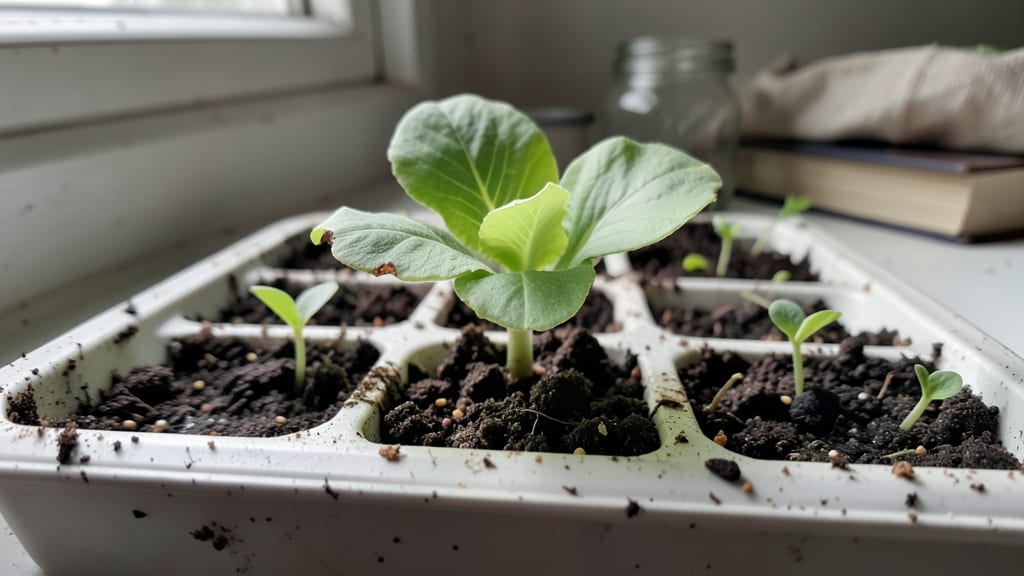
Sowing seeds refers to the process of placing seeds into soil to cultivate new plants, a technique that's been refined over centuries by gardeners worldwide. 🌱 The magic happens when seeds absorb moisture and begin germinating, with each type having specific needs—some need light to sprout while others prefer darkness. I've found that understanding these differences makes all the difference between thriving seedlings and disappointing failures. Whether you're starting a vegetable garden or growing flowers, mastering this basic skill opens up endless possibilities for your green space.
This method works best when you match the timing to your local climate—some seeds can handle outdoor planting after the last frost, while others need to start indoors weeks in advance. The right tools, like seed trays or direct-sowing beds, make the process smoother and increase your chances of success.
My favorite approach is to start with easy-to-grow seeds like marigolds or lettuce to build confidence before tackling more delicate varieties.
💡 In This Article
- Seed Germination Science and Ideal Conditions
- Direct vs. Indoor Seed Starting Methods
Seed germination science and ideal conditions
When you sow seeds, you're essentially kickstarting a biological process called germination, where a dormant seed transforms into a new plant. Here's what's actually happening: the seed first undergoes imbibition, absorbing water through its outer shell.
This triggers metabolic activity, breaking dormancy and activating enzymes that convert stored nutrients into energy. Within 24-72 hours (depending on species), you'll see the radicle emerge—the first root—followed by the shoot breaking through the soil surface. 🌱 This entire process relies on precise conditions, especially temperature and moisture.
The ideal temperature range for germination varies dramatically by seed type. Cool-season crops like lettuce and spinach thrive at 50-65°F, while warm-season varieties such as tomatoes and peppers need 70-85°F to germinate properly. Most seeds won't sprout below 40°F or above 90°F.
Moisture is equally critical—seeds need consistent dampness (not soggy soil) to absorb water efficiently. A good rule is to keep the soil 60-70% moisture by weight during germination, which translates to lightly misting the surface daily rather than saturating it.
Light exposure creates another critical distinction between seed types. Photoblastic seeds (like lettuce and petunias) require light to germinate, while non-photoblastic seeds (such as beans and peas) prefer darkness. The difference lies in their chemical signals—light triggers specific hormones in photoblastic seeds that break dormancy.
For these varieties, covering seeds with ¼-inch soil works best, while photoblastic seeds should be sown just below the surface (⅛-inch deep) or lightly covered. This explains why some seeds fail to sprout when planted too deeply—they're essentially suffocating from lack of light.
What most people don't realize is how oxygen plays a supporting role in germination. Seeds need aerated soil to breathe, which is why compacted or waterlogged conditions stunt growth.
The ideal soil mix for germination contains 40-60% pore space—think of it like a sponge that holds moisture but allows air circulation.
Adding perlite or vermiculite to your seed-starting mix improves aeration, creating the perfect environment for those critical first roots to develop. 🌱 This is particularly important for fine seeds like carrots or parsley, which can rot if buried too deeply in heavy soil.
Let's look at a concrete example: tomato seeds. These warm-season seeds germinate best at 75-80°F in consistently moist (65% moisture) soil. If you plant them too shallow (¼-inch deep), they may dry out; too deep (½-inch+), and they'll struggle to reach the surface.
The key is maintaining this balance while protecting them from temperature swings—nighttime drops below 55°F can halt germination entirely. This is why gardeners often use heat mats (70-80°F) for indoor starts or wait until soil temperatures stabilize in spring for outdoor planting.
Understanding these conditions helps explain why some gardeners have better luck than others. For instance, if your basil seeds aren't sprouting, check your light exposure—they're photoblastic and need surface planting. Or if your peas emerge slowly, they might need warmer soil (60°F+) to activate their germination enzymes.
The science behind sowing seeds reveals that patience and precision pay off in stronger, healthier plants. 💫