
Vegetables
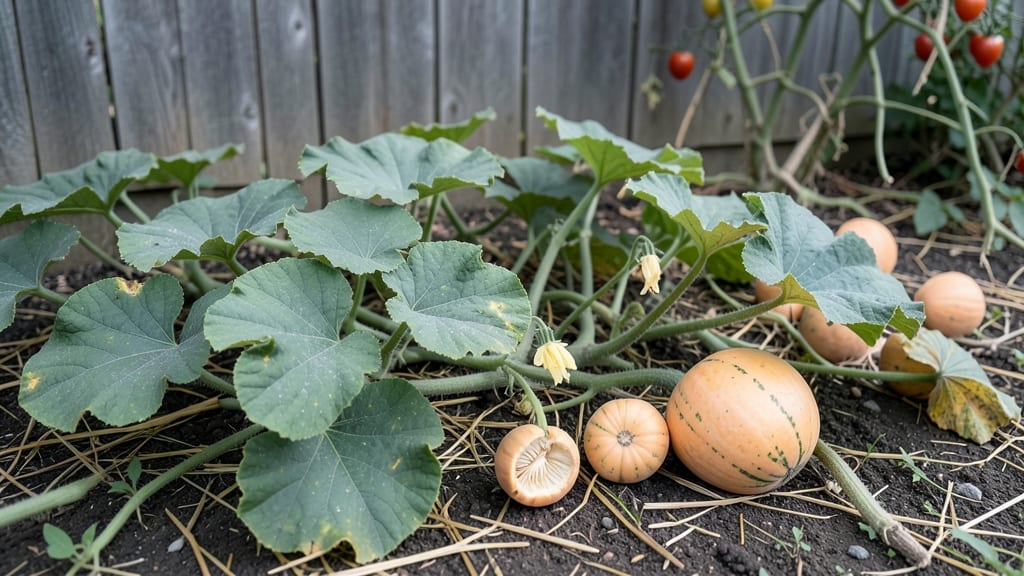
Small pumpkins do have seeds, though the quantity and size vary significantly compared to larger varieties. Miniature pumpkins often contain fewer, larger seeds surrounded by thinner flesh and a denser cavity.
Yes, small pumpkins absolutely contain seeds, but their characteristics differ from their larger counterparts. 🌱 The most noticeable difference is the seed-to-flesh ratio: smaller pumpkins pack fewer seeds, but those seeds tend to be bigger and easier to extract.
This happens because miniature varieties allocate more energy to seed development relative to their overall size, resulting in a denser cavity.
For instance, a Jack Be Little pumpkin might yield just 20-30 seeds compared to 100+ in a standard carving pumpkin, but each seed is noticeably larger and more uniform in shape.
What's interesting is how this affects their culinary and gardening potential. The larger seeds from small pumpkins roast up beautifully with a rich, nutty flavor—ideal for snacking or replanting.
Meanwhile, the thinner flesh means you'll get more seeds per pound of pumpkin compared to giant varieties, making them surprisingly efficient for seed-saving projects. If you're growing your own, this trait actually works in your favor since fewer seeds mean less work for cleaning and storing!
💡 In This Article
- How Pumpkin Size Affects Seed Development
- Best Mini Pumpkin Varieties for Seed Harvesting
How pumpkin size affects seed development
Here's what's actually happening botanically: smaller pumpkins develop seeds differently because their genetic makeup prioritizes efficiency over quantity. These miniature varieties typically grow from plants that allocate more energy to seed formation relative to their overall biomass.
In larger pumpkins, energy gets distributed across a wider surface area, resulting in more but smaller seeds.
For example, a 10-pound sugar pumpkin might produce 200-300 seeds, while a 2-pound mini pumpkin yields only 30-50 seeds—but each one is noticeably larger, often measuring 1/2 to 3/4 inch in length compared to the 1/4 inch seeds of giant varieties. 🔥
The seed-to-flesh ratio becomes dramatically different too. In small pumpkins, the cavity occupies a larger proportion of the total volume—sometimes 25-30%—whereas in giant pumpkins this ratio drops to just 5-10%. This dense cavity creates a more concentrated seed cluster, making them easier to extract.
The flesh itself is thinner (1/4 inch vs 1 inch in large pumpkins), which means you're getting more seeds per pound of pumpkin when you're harvesting. This efficiency is why mini pumpkins are often preferred by seed-saving gardeners.
Genetics play a crucial role in this size-seed relationship. Miniature pumpkins like Jack Be Little or Wee-B-Little varieties were specifically bred to maximize seed quality within a compact frame. Their smaller vines and leaves mean less energy is diverted from seed development, allowing for larger, more robust seeds.
What's fascinating is how the seed coat thickness also varies—small pumpkin seeds often have 20-30% thicker shells than their larger counterparts, making them more durable for storage and replanting. 🌱
There's also a sensory difference worth noting. The seeds from small pumpkins tend to have a more intense nutty flavor when roasted, likely due to higher oil content in the seed meat. This happens because the plant concentrates its limited resources into fewer seeds, creating a richer composition.
For comparison, a 1/2-inch mini pumpkin seed contains roughly 3 times more oil than a 1/4-inch giant pumpkin seed, which translates to better flavor when toasted with spices. The thicker shells also mean they hold up better during roasting without becoming brittle.
What most people don't realize is how this affects germination rates. The larger seeds from mini pumpkins typically have 90%+ germination success when properly stored, compared to 70-80% for giant pumpkin seeds. This higher viability comes from their more developed embryos and thicker protective coats.
For gardeners, this means you can plant fewer seeds to achieve the same results, making mini pumpkins an excellent choice for seed-saving projects where efficiency matters. 💫
The science behind this involves something called "source-sink dynamics" in plant physiology. In smaller pumpkins, the "source" (photosynthesis from leaves) is more directly connected to the "sink" (seed development), with less energy lost to maintaining a large fruit structure.
This direct energy transfer results in seeds that are not just larger, but also more nutritionally dense. It's a perfect example of how plant breeding can optimize specific traits—whether for culinary use, seed saving, or ornamental purposes.