
Fertilization
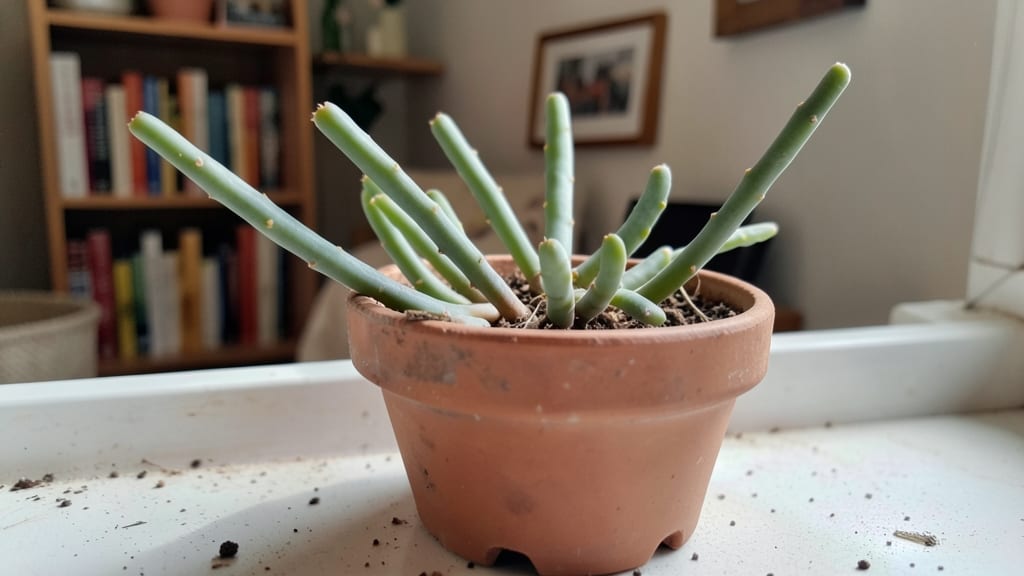
Growing dragon fruit from seedling sounds like magic until you learn the stratification hack that forces blooms in just months. 🌱 I’ve wrestled with stubborn dragon fruit seeds that refused to sprout—until I tried this one trick that mimics tropical rainforest conditions right on my windowsill.
The secret isn’t complicated: a mix of warmth, moisture, and patience turns those hard seeds into vigorous seedlings. You’ll need a small pot, a heat mat (or sunny windowsill), and a spray bottle—no fancy equipment.
Most people give up at the germination stage, but once you see those first bright green leaves, you’ll be hooked.
By month three, you’ll have a sturdy young plant ready for its forever home in a pot or garden bed. The blooms arrive faster than expected when you follow the stratification steps, and the first pink or yellow flowers feel like a reward after weeks of waiting.
Trellising early keeps the plant strong as it climbs.
This method works even in cooler climates if you bring plants indoors during winter. The key is consistency—water when the top inch feels dry, never let it sit in soggy soil, and watch for those telltale signs of readiness to transplant. Let’s get those seeds sprouting!
📚 In This Guide
- What you need
- Instructions
- Tips and common mistakes
- Wrapping up and next steps
What you need
- ● Dragon fruit seeds – 5–10 fresh, plump seeds (harvested from organic fruit for best results).
- ● Stratification medium: Option 1: Moistened peat moss (1 small bag, ~2–3 cups).
- ● Option 2: Coconut coir (1 pre-moistened brick or 2 cups loose).
- ● Option 3: Vermiculite (1 small bag, ~1–2 cups).
- ● Plastic bag or airtight container – A gallon-sized zip-top bag or a small Tupperware (for humidity).
- ● Spray bottle – For gentle misting (1 small bottle, 8–16 oz).
- ● Small pots or seed trays – 3–4 biodegradable pots (3–4 inches deep) or a seed tray with drainage.
- ● Potting mix – 1 small bag of well-draining cactus/succulent mix (avoid heavy garden soil!).
- ○ Grow lights or sunny windowsill – A LED grow light (optional but ideal for 12–14 hours/day) or a south-facing window.
- ● Tweezers or toothpick – For handling tiny seeds (1 pair).
- ○ Fine-mist sprayer – To keep the stratification mix damp (optional but helpful).
- ● Thermometer – A small digital soil thermometer (to monitor 60–70°F during stratification).
- ● Fertilizer (post-germination): Balanced liquid fertilizer (e.g., 5-5-5 or 10-10-10, diluted to half-strength).
- ○ Slow-release granules (optional, for long-term growth).
- ● Pruning shears – For trimming future seedlings (small pair, sharp blades).
- ● Patience – Stratification takes 4–8 weeks before germination!
- ● Consistent warmth – A spot near a warmth source (e.g., under grow lights or in a greenhouse).
- ● Humidity control – Avoid soggy conditions (mist lightly, don’t drown!).
- ● Space planning – Dragon fruit seedlings need full sun (6+ hours/day) once transplanted.
How to grow dragon fruit seedlings with a stratification hack
Skip the years of waiting—this method forces blooms in months, not decades.
🌱 Step 1: Extract and Prepare the Seeds
Open a ripe dragon fruit and scoop out the seeds, rinsing them gently to remove any fruit pulp. Let them air-dry for 24 hours on a paper towel—this prevents rot later. I spread mine in a single layer and leave them near a sunny window (but not in direct sunlight) to dry completely.
Here's the thing—dragon fruit seeds are stubborn. They need a cold treatment (called stratification) to break their dormancy. Without it, you might wait years for germination or never see sprouts at all. Place the dried seeds in a small paper bag with a damp (not soaking) piece of peat moss from your seed-starting mix. Tie the bag loosely and refrigerate for 6-8 weeks. Check them weekly—the peat should stay moist but not soggy.
⏰ Step 2: Stratify for Germination Readiness
After 6-8 weeks in the fridge, your seeds are ready to wake up. Remove them and let them sit at room temperature for 24 hours before planting. This gradual shift mimics natural temperature changes and signals the seed it's time to grow.
You'll know stratification worked when you see tiny cracks in the seed coat or a slight swelling. If they look unchanged, give them 2 more weeks in the fridge before trying again. I've had seeds take 10 weeks total—patience pays off here.
🪴 Step 3: Plant in a Warm, Humid Environment
Fill a 4-inch pot with a mix of 50% seed-starting mix and 50% perlite—this ensures drainage while keeping moisture. Plant seeds ½ inch deep, two per pot, since germination rates can be hit-or-miss. Water gently until the soil feels damp 1 inch down, then cover the pot with clear plastic wrap to trap humidity.
Dragon fruit seedlings need warmth to germinate. Place the pot in a location with constant 75-80°F temperatures—like on top of your fridge or near a heat mat. Without this warmth, seeds may rot before sprouting. Keep the soil consistently moist (not soggy) by misting daily until you see first true leaves (not the initial seed leaves).
☀️ Step 4: Transition to Light and Gradual Hardening
Once seedlings emerge (usually 4-8 weeks after planting), remove the plastic wrap and move them to bright, indirect light for 1 week. After that, introduce 4-6 hours of morning sun daily, gradually increasing exposure over 2 weeks to avoid leaf scorch.
When seedlings reach 3-4 inches tall with 3-4 sets of true leaves, it's time to harden them off. Place pots outside in partial shade for 2 hours the first day, then increase time by 1 hour daily until they can handle full sun. Watch for yellowing leaves—this signals too much sun too soon. Reduce exposure if you see this happen.
🌿 Step 5: Maintain for First Blooms
After hardening, transplant seedlings into 5-gallon pots with a mix of 60% potting soil, 20% perlite, and 20% compost. Dragon fruit plants need strong support—install a 4-foot bamboo stake or trellis at planting time. Water deeply twice weekly, letting the soil dry 1 inch down between waterings.
Here's the hack for blooms: When your plant reaches 12-18 inches tall, reduce water slightly (let the top 2 inches of soil dry out) and move it to a cool spot (60-65°F) for 2 weeks. This stress triggers flowering. You'll see buds form within 4-6 weeks—watch for the distinctive pink or white flower clusters that signal fruit potential.
Tips & tricks for growing dragon fruit seedlings
Dragon fruit seeds are tricky—here's how to turn those stubborn seeds into thriving plants that actually bloom.
Stratification Timing: Don't rush the 6-8 weeks in the fridge—this cold treatment mimics winter and breaks dormancy. I've seen seeds take up to 10 weeks total, so mark your calendar when you start. The 24-hour room temperature adjustment before planting is crucial too; it prevents shock when moving from cold to warm. If your fridge runs cooler than 40°F, add an extra week to the cold treatment.
Soil Moisture Balance: In Step 3, aim for soil that's damp 1 inch down—not soggy, not dry. I use a spray bottle to mist daily rather than watering from above, which prevents seed displacement. The plastic wrap creates a greenhouse effect, but check it daily to avoid mold. If condensation forms inside, remove the wrap for 10 minutes to reset humidity.
Hardening Off Strategy: When increasing sun exposure in Step 4, start with just 2 hours of morning sun—the cooler temps prevent leaf scorch. I've found that moving pots to a north-facing window or under 50% shade cloth works well for gradual acclimation. Watch for leaves that perk up after sun exposure—that's your plant telling you it's ready for more.
Bloom Trigger Hack: The 2-week cool treatment at 60-65°F is where the magic happens. I place my pots in a garage or basement with indirect light during this period. You'll see buds form within 4-6 weeks—this is your reward for patience! If your home stays above 70°F, try moving pots to a cooler spot like a basement with a grow light.
Pro Tips for Dragon Fruit Seedling
- Dragon fruit seeds are tricky—here's how to turn those stubborn seeds into thriving plants that actually bloom.
- Stratification Timing: Don't rush the 6-8 weeks in the fridge—this cold treatment mimics winter and breaks dormancy.
- Soil Moisture Balance: In Step 3, aim for soil that's damp 1 inch down—not soggy, not dry.
Frequently asked questions
Got questions about growing dragon fruit seedlings?
You’re not alone! Here are answers to the most common queries to help you succeed with your Hylocereus plants.
How long does it take for dragon fruit seedlings to bloom after stratification?
With proper stratification (4–6 weeks in cold, moist conditions), dragon fruit seedlings typically take 12–18 months to mature and bloom. Factors like light, temperature, and soil quality can accelerate or delay this process. Patience is key—your first harvest may take 2–3 years from seed!
Can I skip stratification and still get blooms?
While possible, skipping stratification reduces germination success and delays blooming. Dragon fruit seeds have a hard seed coatslower growth and fewer flowers. If you’re in a hurry, try scarification (lightly sanding the seed) as an alternative.
What’s the best way to troubleshoot a seedling that’s not growing?
Check these common issues:
- Yellow leaves → Overwatering or poor drainage. Let soil dry slightly between waterings.
- Stunted growth → Low light or cold temps. Move to a sunny spot (6+ hours/day) and keep temps above 60°F (15°C).
- Leggy, weak stems → Not enough light. Supplement with a grow light if natural light is insufficient.
If problems persist, repot in well-draining cactus soil and fertilize lightly with a balanced 10-10-10 mix.
Can I grow dragon fruit seedlings indoors?
Yes! Use a large pot (10+ gallons) with drainage holes and place near a south-facing window or under grow lights. Dragon fruit plants thrive in warmth (70–90°F / 21–32°C), so avoid drafts. If indoors, hand-pollinate flowers with a small brush to ensure fruit set.
How do I know if my dragon fruit seedling is male or female?
Dragon fruit seedlings are dioecious (male and female flowers on separate plants). You won’t know until they bloom—female plants produce fruit, while male plants have no fruit but help pollinate. To maximize yields, plant at least 2–3 seedlings for cross-pollination.
Wrapping up and next steps
Growing dragon fruit seedlings with reliable blooms is totally within your reach—thanks to the stratification hack! By mimicking nature’s timing and using the right materials, you’ve unlocked the secret to faster, healthier growth and those coveted flowers in just a few months. 🌱✨
Now that you’re armed with knowledge, it’s time to take action! Start with your seedling, follow the steps, and watch your plant thrive. Ready to harvest the sweet rewards of your efforts? Check out our guide on post-stratification care to keep your dragon fruit on the path to success!