
Lawn
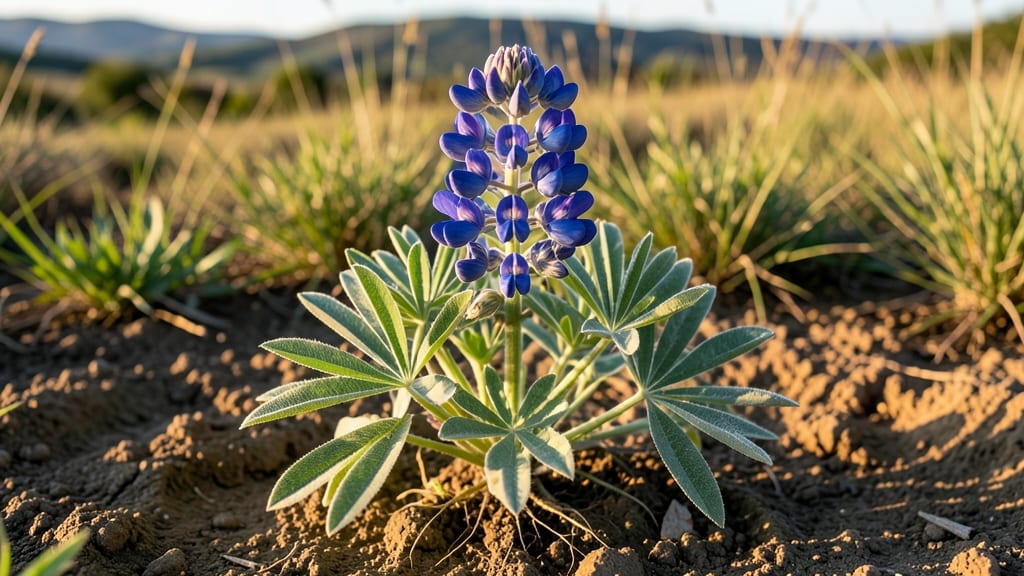
To identify dried seed pods, look for hardened, browned exteriors with split seams and papery textures exposing seeds inside. Popular examples include okra pods, milkweed fluff, and pea pods, each with unique shapes and sizes.
Dried seed pods often develop a brittle, leathery feel as they mature, signaling they're ready for harvesting. 🌱 These structures vary widely—some burst open explosively to scatter seeds (like jewelweed), while others rely on wind or animals for dispersal.
I’ve noticed that pods from legumes (like peas) tend to be elongated and fibrous, whereas milkweed’s fluffy seed clusters create iconic cotton-candy-like formations. Understanding these differences helps gardeners decide whether to preserve them for crafts, compost, or propagation.
Beyond identification, dried seed pods serve practical purposes in gardening.
Many can be stored in paper envelopes in a cool, dry place to maintain seed viability for up to 3 years. 💫 For example, okra pods make striking dried arrangements, while milkweed fluff is perfect for filling pillows or bird feeders.
Always check for pests before storing, as moisture or insects can compromise seed quality.
💡 In This Article
- Botanical Features of Common Dried Seed Pods
- Garden Uses for Harvested Dried Seed Pods
Botanical features of common dried seed pods
Dried seed pods exhibit fascinating structural adaptations shaped by their plant families. The Fabaceae (legume) family produces pods with fibrous walls that split along two seams, like pea pods measuring 2-4 inches long. These pods often develop a papery texture as they dry, revealing rows of seeds inside.
In contrast, Malvaceae members like okra form woody, elongated capsules with pointed tips, typically 3-6 inches long and 1-2 inches wide, that split open when mature.
The Asclepiadaceae family takes a different approach with milkweed pods that contain fluffy seed clusters. Each seed is attached to a silky parachute made of comose hairs, allowing wind dispersal over long distances.
This mechanism creates the iconic "cotton candy" appearance we associate with milkweed. 🌬️ The pod's structure also includes specialized chambers where seeds develop before being released—some pods even twist when dry to enhance seed ejection.
Seed dispersal strategies vary dramatically between families. Explosive dehiscence occurs in pods like jewelweed, where built-up pressure suddenly releases seeds with a popping sound. Others, like poppies, rely on wind currents created by their papery, balloon-like seed heads.
The pod's wall thickness and moisture content determine how effectively these mechanisms work—thicker walls provide more structural support for explosive dispersal, while thinner, papery walls facilitate wind transport.
Texture plays a crucial role in identification. Legume pods develop a fibrous, almost stringy texture when dry, while milkweed pods become brittle and hollow-sounding when tapped. Okra pods maintain a slightly leathery feel even when completely dried.
These variations help gardeners distinguish between types without needing to examine the seeds themselves. The drying process also affects color—most pods darken to browns or tans as they mature, though some like poppy pods may develop vibrant hues.
Understanding these botanical features helps explain why certain pods are better suited for specific uses. For instance, milkweed's fluffy seeds make excellent bird feeders, while okra's sturdy structure makes it ideal for dried floral arrangements.
The legume family's fibrous pods are often chosen for crafts requiring durability. 🌿 These structural adaptations aren't just interesting—they're functional innovations that have evolved to maximize seed survival in different environments.