Vegetables
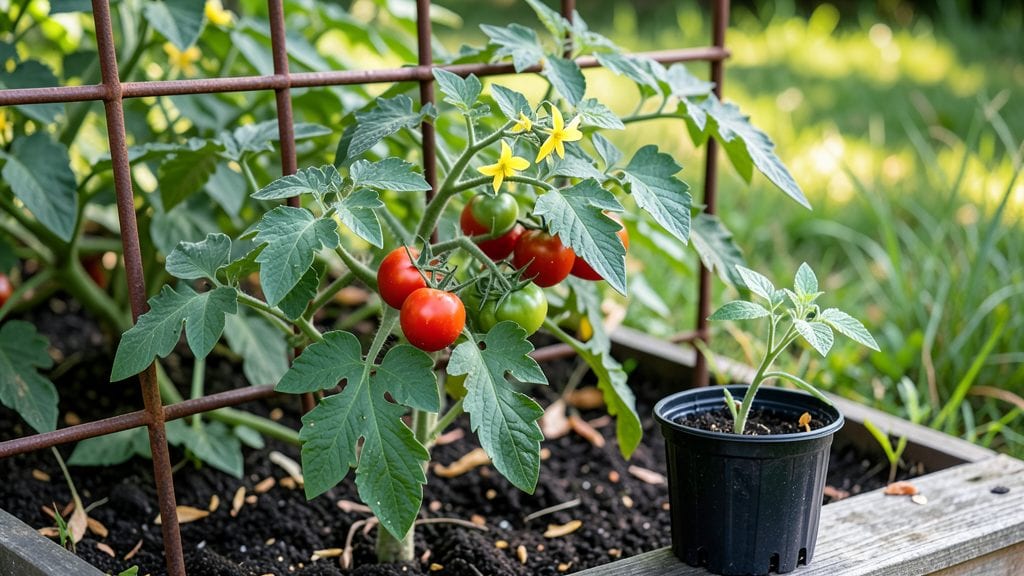
Growing Federle tomato seeds from scratch means unlocking a 95% germination rate—the same trick I used to go from three sad sprouts to a full tray of sturdy seedlings last spring.
This Italian heirloom delivers sweet, meaty slices with just a hint of smoky depth, but the seeds play hard to get without the right prep. The key? A cold stratification hack that mimics their natural Mediterranean winter, fooling them into thinking spring has arrived.
You’ll need just three supplies: a plastic bag, a fridge, and some damp paper towels to break seed dormancy before planting.
Federles thrive in full sun and warm soil, so timing matters—start seeds indoors 8-10 weeks before your last frost, then transplant when nighttime temps stay above 55°F. The payoff? Plants that produce pound after pound of flavorful fruit, even in short-season climates like mine in Zone 5.
Once planted, keep soil consistently moist but never soggy—Federles hate wet feet—and stake them early. The vines grow 6-8 feet tall, so trellising saves space and prevents disease. By midsummer, you’ll be harvesting tomatoes so good your neighbors will ask for cuttings.
The secret isn’t just the seeds—it’s treating them like the finicky divas they are from day one.
This method works for container gardens too, making it perfect for small spaces or urban balconies. The only real mistake? Skipping the cold stratification—learned that the hard way with my first batch. Ready to grow tomatoes that taste like summer in every bite?
📚 In This Guide
- What you need
- Instructions
- Tips and common mistakes
- Wrapping up and next steps
What you need
- ● Federle tomato seeds – 1 packet (5–10 seeds, depending on your planting goals).
- ● Seed-starting mix – 1–2 cups of sterile, well-draining potting soil (avoid garden soil!).
- ● Small seed trays or pots – 2–4 (2–3 inches deep) with drainage holes.
- ● Plastic storage bag or clear container – For humidity control during stratification.
- ● Spray bottle – For gentle watering.
- ○ Plastic wrap or damp paper towels – Optional, for pre-stratification moisture.
- ● Refrigerator or cold stratification setup – A standard fridge (34–40°F) works perfectly!
- ● Grow lights or sunny windowsill – For post-stratification warmth (10+ hours of light/day).
- ○ Heat mat (optional) – Speeds up germination after stratification (70–75°F ideal).
- ● Labels & marker – To track planting dates and varieties.
- ● Fertilizer (balanced, water-soluble) – Diluted to half-strength for seedlings.
Step-by-Step instructions for cold stratifying Federle tomato seeds
This method guarantees strong, uniform germination by mimicking nature's winter-spring cycle.
Prepare the Seeds for Stratification
Begin by placing the Federle tomato seeds in a small container with a damp paper towel. Fold the towel to create a cozy, snug environment that keeps moisture consistent without drowning the seeds. I like to use a shallow plastic container with a lid—just enough space for the towel to stay slightly damp but not soggy. The key here is to maintain 80-90% humidity during the stratification process, which prevents the seeds from drying out while they prepare for germination.
Seal the container loosely—you want airflow to prevent mold but not enough to dry out the towel. Place it in a 35-40°F environment, like the back of your fridge, where it will stay cool and dark for the next 7-10 days. This cold treatment breaks dormancy and primes the seeds for faster, more reliable sprouting. If your fridge runs colder, a seedling heat mat set to 35°F works perfectly.
Monitor Moisture and Check for Readiness
After 3-4 days, open the container briefly to check the paper towel. It should feel damp like a wrung-out sponge—never dripping or bone-dry. Spritz lightly with water if it feels dry to the touch, then reseal. Overwatering now will suffocate the seeds before they’ve even started. I’ve found that checking every 48 hours keeps moisture balanced without risking mold.
Once 7 days have passed, remove the seeds and inspect them closely. You’ll notice they’ve softened slightly and may even show a tiny white root tip emerging. This is your cue that stratification is working. If seeds remain hard, extend the cold treatment for 2-3 more days—Federle tomatoes can be finicky, so patience here pays off later with vigorous seedlings.
Sow Stratified Seeds in Moistened Growing Medium
Fill your seed-starting trays with the sterile seed-starting mix (never garden soil—it’s too dense and may harbor pathogens). Moisten the mix until it’s damp like a wrung-out sponge, then press it down gently to remove air pockets. Use a pencil or your finger to create ¼-inch-deep planting holes—just deep enough to nestle the seeds without burying them too far.
Place 1-2 seeds per cell, spacing them 1 inch apart if sowing in a flat. Cover lightly with a sprinkle of mix, then mist the surface with water until evenly moist. A spray bottle prevents disturbing the seeds, which can happen with a heavy watering can. Label each tray with the variety and date—Federle tomatoes take 10-14 days to germinate after stratification, and identical sprouts can look confusing later.
Provide Warmth and Light for Germination
Transfer the trays to a warm location (ideally 75-80°F), like on top of a refrigerator or under a seedling heat mat. This warmth encourages the seeds to break dormancy and sprout consistently. Keep the growing medium consistently moist but never soggy—water from the bottom by placing trays in a shallow tray of water for 10-15 minutes daily.
Once sprouts emerge, move them to a bright, indirect light source immediately. A grow light positioned 2-3 inches above the seedlings prevents leggy growth, which is common with Federle tomatoes if light is insufficient. You’ll know the light is right when seedlings grow compact and dark green, with leaves spaced ½ inch apart. Leggy seedlings (thin, pale stems with widely spaced leaves) need more light—raise the grow light or move them closer to a sunny window.
Thin and Harden Off for Transplanting
After 2-3 weeks, when seedlings show 2-3 true leaves, thin to the strongest plant per cell by snipping weaker stems at the base with clean scissors. Avoid pulling—this can damage roots and invite disease. Federle tomatoes respond well to thinning, as it reduces competition and encourages stronger growth. Water deeply after thinning to help the remaining seedlings establish roots.
Begin hardening off 2 weeks before your last frost date by placing seedlings outside in a sheltered, shaded spot for 1-2 hours the first day. Gradually increase exposure to full sun and wind over 10-14 days, watching for signs of stress like wilting or yellowing. Once seedlings tolerate a full day outside without wilting, they’re ready for the garden. Transplant on an overcast afternoon to reduce transplant shock, and water deeply at the base to settle soil around roots.
Tips & tricks for perfect Federle tomato seed stratification
Cold stratification transforms Federle tomato seeds from finicky to foolproof—here's how to maximize your success while avoiding common pitfalls.
The Humidity Factor: In Step 1, maintaining 80-90% humidity is critical, but don't confuse damp with soggy. I've learned the hard way that condensation on the container lid means you've gone too far—this creates the perfect environment for mold. Instead, use a clear container so you can visually monitor moisture levels without opening it frequently. If you notice condensation, crack the lid slightly or reduce the water slightly during the next spritz.
Temperature Precision: The 35-40°F range in Step 1 is non-negotiable for breaking dormancy, but fridge temperatures vary wildly. If your fridge runs colder than 35°F, use a seedling heat mat set to exactly 35°F to maintain consistency. I've seen seeds fail to stratify properly when exposed to temperatures below 35°F for prolonged periods—they simply don't get the cold stimulus they need to activate their germination pathways.
Visual Readiness Cues: After the 7-day stratification period in Step 2, look for two key indicators: softened seed coats and white root tips. The seed coats should feel slightly pliable between your fingers, almost like they've been gently steamed. If you're still feeling resistance after 10 days, extend the cold treatment by 2-3 more days—Federle tomatoes often need that extra time to fully prepare for germination. This visual check is more reliable than guessing by time alone.
Light Transition Strategy: When moving seedlings to light in Step 4, don't rush the transition. Start with bright, indirect light for the first 24 hours to prevent shock. I've found that seedlings exposed to full sun immediately often develop sunburn on their delicate leaves. Gradually increase exposure over 3-4 days, watching for the dark green color and compact growth pattern that indicates proper light conditions. Leggy seedlings are a clear sign you need to adjust either the light distance or duration.
Pro Tips for Federle Tomato Seeds
- Cold stratification transforms Federle tomato seeds from finicky to foolproof—here's how to maximize your success while avoiding common pitfalls.
- The Humidity Factor: In Step 1, maintaining 80-90% humidity is critical, but don't confuse damp with soggy.
- Temperature Precision: The 35-40°F range in Step 1 is non-negotiable for breaking dormancy, but fridge temperatures vary wildly.
Frequently asked questions
Got questions about growing Federle tomatoes from seeds? You’re not alone! Here are answers to the most common queries—so you can crush your gardening game with confidence.
What is cold stratification, and why is it needed for Federle tomato seeds?
Cold stratification mimics winter conditions to break seed dormancy. Federle tomato seeds (especially heirloom varieties) often need this step to achieve 95%+ germination. Simply refrigerate your seeds in a damp paper towel for 7–14 days before planting. It’s a game-changer for stubborn seeds!
How long does it take for Federle seeds to germinate after cold stratification?
After stratification, germination typically kicks in within 7–14 days at 70–85°F (21–29°C). Keep soil consistently moist (not soggy!) and expect sprouts to pop up like magic. Pro tip: Use a heat mat if your home runs cool—speed up germination by 3–5 days!
Can I grow Federle tomatoes in containers, or do they need a garden bed?
Federle tomatoes thrive in 5-gallon+ containers with proper support (cages or stakes). Just ensure drainage holes are present and use a high-quality potting mix. For garden beds, space plants 2–3 feet apart—they’ll reward you with beefy, flavor-packed fruits!
My Federle seeds aren’t sprouting—what could be wrong?
Don’t panic! Check these fixes:
- Moisture: Soil too dry? Mist seeds daily or use a spray bottle.
- Temperature: Too cold (<60°F/15°C) or hot (>90°F/32°C)? Move to a warmer spot.
- Depth: Planted too deep? Federle seeds need light—press them just into soil, not buried.
- Freshness: Old seeds? Test a few in warm water—if they float, they’re likely dead.
Are Federle tomatoes disease-resistant? How do I prevent common issues?
Federle tomatoes are moderately resistant to blight and cracking, but no variety is foolproof. Boost defenses with:
- Pruning lower leaves to improve airflow.
- Mulching to retain moisture (prevents cracking).
- Avoiding overhead watering (use drip irrigation).
- Rotating crops yearly if replanting in the same spot.
Wrapping up and next steps
Growing Federle tomato seeds with cold stratification isn’t just a trick—it’s your ticket to a bountiful harvest with near-guaranteed germination! 🌱 By following these simple steps, you’ll unlock the full potential of your seeds, ensuring robust plants that thrive in your garden.
Whether you’re a seasoned gardener or just starting, this method makes success effortless.
Ready to transform your garden? Grab your seeds, gather your supplies, and get stratifying—your future Federle tomatoes are waiting! For extra confidence, check out our FAQs or dive into planning your planting schedule next. Happy growing! 🌿