
Watering
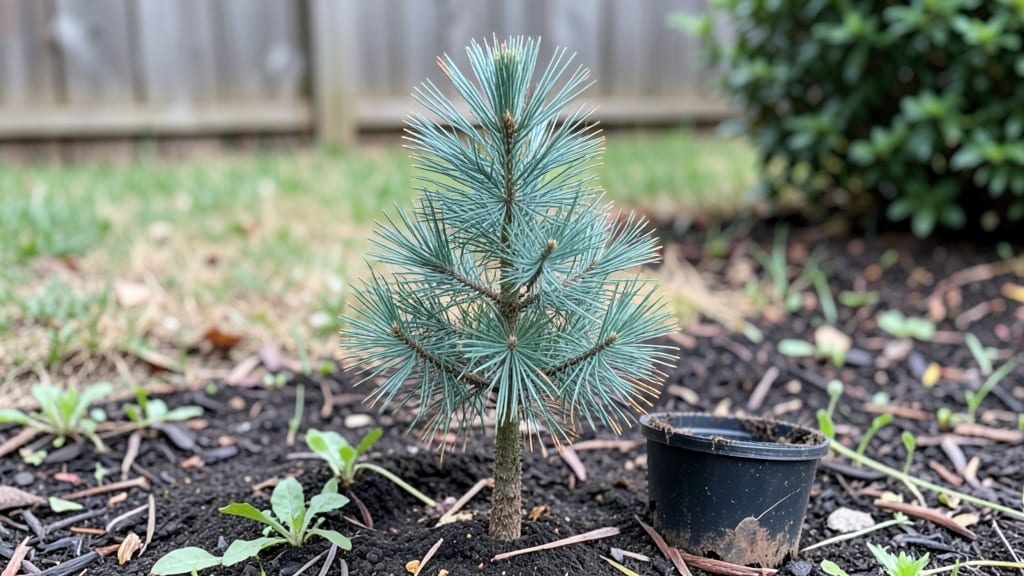
Growing a giant sequoia seedling starts with understanding its thirsty nature—these ancient giants need consistently moist soil from day one. 🌱 I’ve nurtured my own sequoia sapling, and the key isn’t just watering; it’s mimicking the foggy, humid conditions of their mountain homes.
The first few years are critical, where even slight drought stress can stunt growth for decades.
You’ll need a well-draining but moisture-retentive mix—think 60% peat or coconut coir, 30% perlite, and 10% compost—kept damp like a wrung-out sponge. Sequoias hate drying out, so a humidity tray or plastic dome helps, especially indoors.
Outdoors, mulch heavily with wood chips to lock in moisture and shield tender roots from temperature swings.
By summer’s end, your seedling should reach 6–12 inches tall with glossy needles, a sign it’s thriving. The real magic happens when you transition it to outdoor shade by its second year—gradually hardening it off prevents shock.
Just watch for yellowing needles; that’s the first cry for help from a plant that’s used to mountain mist, not dry air.
Long-term, these seedlings reward patience with 30-foot-tall growth in 20 years. The trick is consistency: water deeply 2–3 times weekly in summer, adjust for rain, and protect young trunks from deer or rabbits. Your future redwood starts small, but with the right moisture love, it’ll grow into a living legacy.
📚 In This Guide
- What you need
- Instructions
- Tips and common mistakes
- Wrapping up and next steps
What you need
- ● Giant Sequoia Seedling: A healthy, fresh seedling (check for firm, green needles and no signs of pests).
- ○ Large Container or Nursery Pot: Minimum 5-gallon capacity (12+ inches deep) with drainage holes. Optional: Fabric grow bags for flexibility.
- ● High-Quality Potting Mix: Acidic, well-draining mix (pH 5.0–6.5). Recommended: 50% peat moss, 30% perlite, 20% compost.
- ● Slow-Release Fertilizer: Balanced (10-10-10 or 20-20-20) or sequoia-specific fertilizer. Dosage: 1 tsp per gallon of soil.
- ● Mulch: 2–3 inches of wood chips or pine bark to retain moisture and regulate temperature.
- ● Watering Can or Hose with Gentle Nozzle: For deep, consistent watering (avoid overhead spraying).
- ○ Moisture Meter (Optional but Helpful): To monitor soil moisture (aim for 60–70% humidity in the root zone).
- ● Pruning Shears: Small, sharp pair for trimming dead or overgrown branches.
- ● Gloves & Long-Sleeve Clothing: Giant sequoia seedlings have sharp needles—protect yourself!
- ● Partial Shade to Full Sun: Young seedlings prefer morning sun + afternoon shade (direct sun can scorch tender leaves).
- ● Humidity Control: 50–70% humidity is ideal. Use a humidity tray or misting bottle in dry climates.
- ● Wind Protection: Place seedlings in a sheltered spot (e.g., near a fence or under trees) to prevent desiccation.
Step-by-step instructions for nurturing a giant sequoia seedling
Here’s how to give your towering young sequoia the ideal conditions it craves—consistent moisture and gentle care.
🌱 Step 1: Choose the Right Container and Soil Mix
Start with a 5-gallon container (or larger) that has drainage holes—sequoias hate soggy roots but need steady moisture. Fill the bottom 2 inches with coarse gravel to improve drainage while retaining humidity. This prevents root rot while keeping the soil consistently damp.
Use a mix of 50% peat moss and 50% perlite for lightweight, moisture-retentive soil. Sequoias thrive in acidic, well-aerated soil, so avoid garden soil—it compacts and suffocates delicate roots. Tap the container gently after filling to eliminate air pockets, then water thoroughly until excess drains from the bottom.
💧 Step 2: Plant and Maintain Ideal Moisture Levels
Sow the sequoia seed ½ inch deep in the center of the container, pressing lightly to secure it. Cover with a ¼-inch layer of fine sphagnum moss to mimic the forest floor’s natural humidity. Keep the moss damp but not saturated—it should feel like a wrung-out sponge.
Water immediately after planting, then maintain consistent moisture by checking the top inch of soil daily. If it feels dry to the touch, water gently until it’s evenly damp. Sequoias are sensitive to drought stress, so never let the soil dry out completely. A moisture meter helps, but your finger works too—just press lightly.
☀️ Step 3: Provide Indirect Light and Humidity
Place your sequoia in bright, indirect light—think 60-70% shade with no direct sun. Too much sunlight scorches the delicate needles, while too little causes leggy, weak growth. A north- or east-facing window works best, or use a grow light on a 12-hour photoperiod if natural light is limited.
Sequoias adore humidity, so mist the foliage 2-3 times weekly or place the pot on a pebble tray filled with water. The evaporating moisture creates a microclimate that mimics their native foggy forests. Watch for condensation on the needles—this is your sign the humidity is perfect.
🌿 Step 4: Fertilize and Monitor Growth
Wait 6-8 weeks before fertilizing—young sequoias are fragile and don’t need nutrients right away. Once established, use a balanced, water-soluble fertilizer (10-10-10) diluted to half strength every 4-6 weeks during spring and summer. Over-fertilizing burns roots, so always water thoroughly before and after.
Your sequoia’s first true leaves will appear in 3-6 months, signaling healthy growth. If the needles yellow or drop, it’s a sign of overwatering or poor drainage. Adjust your watering schedule—sequoias prefer consistently moist, not waterlogged, soil. A slow-growing seedling is normal; these giants take patience.
✂️ Step 5: Prune and Repot as Needed
Pruning isn’t usually necessary for young sequoias, but if you spot dead or brown needles, trim them with sterilized scissors to prevent disease. Avoid heavy pruning—sequoias grow slowly, and aggressive cuts stress the plant. Focus on removing only what’s damaged or unsightly.
Repot every 2-3 years into a larger container (7-10 gallons) when roots outgrow the current space. Spring is the best time—sequoias enter a dormant phase in winter, making them less sensitive to disturbance. Use the same soil mix and water thoroughly after repotting to help roots establish.
Tips & tricks for perfect giant sequoia seedling care
Here's what I've learned after nurturing my own sequoia seedlings to help you avoid common pitfalls and maximize growth potential.
Soil Science: The 50/50 peat moss and perlite mix is non-negotiable for young sequoias. Peat moss retains moisture while perlite prevents compaction—this balance is what keeps roots happy and oxygenated. I've found that adding a handful of orchid bark (optional) to the mix improves aeration even more, especially if your home has cooler temperatures. Always use fresh potting mix rather than garden soil, which contains pathogens that can harm delicate seedlings.
Moisture Mastery: That daily finger-check of the top inch of soil is your best friend. I've ruined seedlings by both overwatering and underwatering—this simple test prevents both. For extra insurance, place a small pebble tray under your container and keep it topped with water. The evaporation creates a humid microclimate that mimics their foggy native habitat. Just be sure to elevate the container slightly so roots don't sit in standing water.
Lighting Strategy: The 60-70% shade guideline is crucial—direct sun will scorch those delicate needles faster than you can react. I've seen seedlings develop sunburn spots that never recover. For indoor growing, position your plant near an east-facing window where it gets gentle morning light. If using grow lights, maintain that 12-hour photoperiod religiously—sequoias are photoperiod-sensitive and need consistent light cycles for healthy growth.
Fertilizer Timing: The 6-8 week wait before fertilizing is critical—young sequoias are extremely sensitive to salt buildup from fertilizers. I've seen seedlings go into shock from early fertilization. Once you do start, that half-strength application every 4-6 weeks makes all the difference. I like to fertilize right after watering to help dilute any potential salt concentration in the soil.
Pro Tips for Giant Sequoia Seedling
- Here's what I've learned after nurturing my own sequoia seedlings to help you avoid common pitfalls and maximize growth potential.
- Soil Science: The 50/50 peat moss and perlite mix is non-negotiable for young sequoias.
- Moisture Mastery: That daily finger-check of the top inch of soil is your best friend.
Frequently asked questions
Got questions about nurturing your giant sequoia seedling? Here are some common ones—and their answers—to help you grow a future giant with confidence!
How often should I water my giant sequoia seedling?
Keep the soil consistently moist but never soggy—water 2-3 times per week in warm weather (or daily if potted). Young seedlings need more frequent hydration (like a sponge!) until roots establish. Pro tip: Check soil moisture 1 inch down before watering—if dry, it’s time!
Can giant sequoia seedlings handle cold weather?
While mature sequoias thrive in cold climates, seedlings are frost-sensitive! Protect them from temps below 20°F (-6°C) with frost cloth or move potted seedlings indoors. Harden off seedlings gradually in spring to build cold tolerance.
How do I know if my seedling is getting enough light?
Giant sequoias love bright, indirect light (think dappled sunlight). If leaves turn yellow or stretch toward light (etiolation), relocate to a sunnier spot. Avoid harsh midday sun, which can scorch tender seedlings. A south-facing window or partial shade works best!
When can I transplant my seedling outdoors?
Wait until spring or early fall when temperatures are mild (above 50°F/10°C). Ensure the seedling has 3–4 sets of leaves and is at least 6–12 inches tall. Transplant on a cloudy day to reduce stress, and water thoroughly after!
What do brown needles mean?
Brown needles usually signal overwatering, underwatering, or stress. Check soil moisture—if compacted or waterlogged, improve drainage. If dry, water deeply but reduce frequency. Pest damage? Inspect for spider mites or aphids (spray with water or neem oil if needed).
Wrapping up and next steps
Growing a giant sequoia seedling is a rewarding journey that connects you to nature’s giants—literally! 🌲 With the right moisture-loving care, patience, and attention to soil, light, and humidity, you’re nurturing a future forest monarch.
Remember, consistency is key: keep that soil damp (not soggy), shield it from harsh winds, and let your little champion bask in bright, indirect light.
Ready to watch your seedling stretch toward the sky? Start small—whether it’s adjusting your watering schedule or tweaking humidity levels—and celebrate every inch of growth. Before you know it, you’ll be tending to a towering legacy, one drop of water at a time. Happy growing! 🌱