
Pruning
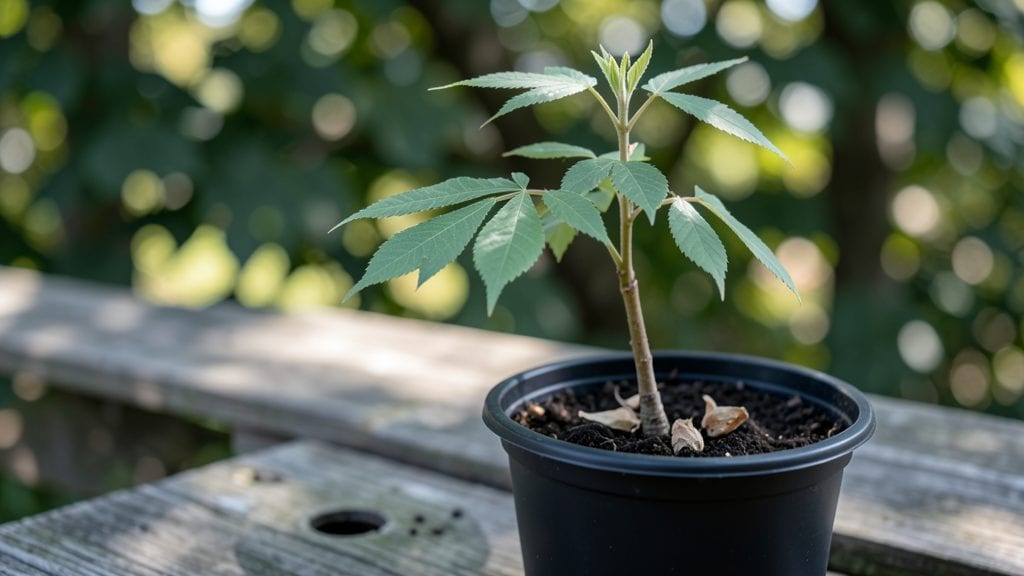
Growing hickory tree seedlings from scratch starts with a 90-day cold stratification trick that mimics winter in nature. 🌱 I learned this after my first batch of seeds sprouted unevenly—and then gave up entirely.
The key isn’t just planting; it’s tricking the seed into thinking it’s survived a real winter first.
You’ll need just three things: hickory nuts (or seeds), a damp paper towel or peat moss, and a refrigerator. No fancy equipment, no greenhouses—just patience. The stratification process breaks dormancy, ensuring those stubborn seeds finally wake up when spring arrives.
Most gardeners skip this step and end up with spotty germination, if any at all.
What you’ll end up with are sturdy, dark-green seedlings ready for transplanting in early spring. They’ll grow 2-3 feet in their first season if given the right mix of sunlight, well-draining soil, and consistent moisture.
The real payoff? A mature hickory tree that produces nuts for decades—starting from a single seed you nurtured yourself.
This method works for shagbark, mockernut, and pignut hickories, but timing matters. Plant in zones 4-8 after the last frost, and watch for those first leaves—proof you’ve cracked the code. Ready to grow your own? Let’s get those seeds stratified.
📚 In This Guide
- What you need
- Instructions
- Tips and common mistakes
- Wrapping up and next steps
What you need
- ● Hickory tree seeds – Fresh, high-quality seeds (collect or purchase from a trusted supplier). Aim for at least 10–20 seeds to account for variability in germination.
- ● Cold stratification medium – Use moistened peat moss, perlite, or a 50/50 mix of sand and peat (about 2–3 cups per batch of seeds). Keep it damp but not soggy!
- ● Sealed plastic bag or container – A quart-sized zip-top bag or small plastic tub with a lid (ensure it’s clean and airtight). Poke a few small holes for airflow if using a bag.
- ● Refrigerator or cold frame – A standard fridge set to 34–40°F (1–4°C) works perfectly. For outdoor stratification, use a shaded, insulated cold frame.
- ● Label & marker – To track seed variety, date, and stratification progress (e.g., “Hickory – Stratified 10/2024”).
- ● Spray bottle – For gently misting the medium to maintain moisture without overwatering.
- ○ Growth hormone or rooting gel – Optional for stubborn seeds (follow product instructions).
- ● Grow lights or sunny windowsill – For post-stratification germination (if indoor planting).
- ● Humidity dome or plastic wrap – To create a mini greenhouse effect after stratification.
- ● Seedling trays or pots – Small pots (3–4 inches deep) with drainage holes for transplanting sprouted seedlings.
- ● Thermometer – To monitor fridge temps if precision is key (especially in warmer climates).
Step-by-step instructions for cold stratifying hickory tree seeds
Here's my battle-tested approach to breaking dormancy and ensuring strong germination.
🌱 Step 1: Harvest and Prepare Fresh Seeds
Collect hickory nuts in late fall when they've fully matured but haven't yet fallen from the tree. Crack open the hard shells to reveal the seeds inside—these are what we'll stratify. I always use freshly harvested seeds because they've been naturally conditioned by the tree for germination.
Remove any seeds that show signs of insect damage or mold. Healthy seeds will have a smooth, slightly glossy surface and feel firm when gently squeezed. Place them in a paper towel to air-dry for 24 hours at room temperature before starting stratification. This prevents rot during the cold treatment.
💧 Step 2: Moisten and Layer Seeds for Cold Treatment
Fill a quart-sized zip-top bag with dampened peat moss or coconut coir—just enough moisture so water drips out when squeezed. Spread the seeds about 1 inch apart in the bag, then add another layer of moist medium on top. Seal the bag tightly, leaving minimal air inside to prevent drying.
Place the sealed bag in a refrigerator set to 35-40°F for 90-120 days. This cold, moist environment mimics winter conditions and breaks seed dormancy. Check the bag monthly—if the medium feels dry, mist it lightly with water and reseal. Proper moisture is critical; too dry and germination fails, too wet and mold develops.
⏰ Step 3: Move to Warm Stratification
After the cold period, transfer the bag to a warm, dark location like the back of a cupboard or under a bed. Maintain the moist medium and wait 30-60 days for germination. You'll know it's working when you see tiny white roots emerging from the seeds—this is your signal to prepare for planting.
Real talk: Some seeds may take longer, especially if they're older. Don't rush the process. If you see mold developing, remove affected seeds immediately and adjust moisture levels. The goal is steady, consistent conditions without extremes.
☀️ Step 4: Plant Germinated Seeds Outdoors
Once roots appear, plant the seeds 1 inch deep in well-draining soil in a protected outdoor location. Choose a site with partial shade and moist, slightly acidic soil. I always plant them in early spring to give seedlings time to establish before summer heat arrives.
Keep the soil consistently moist but not soggy during the first growing season. Young hickory seedlings are sensitive to drought stress. You'll see first true leaves appear in 4-6 weeks—this confirms successful germination. Thin seedlings to 6 inches apart once they reach 6 inches tall to prevent overcrowding.
Tips & tricks for perfect hickory seedling germination
These battle-tested strategies will help you maximize germination rates and avoid common pitfalls in your hickory seedling project.
Timing Secret: That 24-hour air-drying period in Step 1 is non-negotiable—it's what prevents mold during cold stratification. I've seen beginners skip this and end up with rotting seeds. Place your seeds on a clean paper towel in a single layer, not stacked, to ensure even drying. The goal is surface moisture removal without drying out the seed's interior.
Medium Selection: While peat moss is traditional, coconut coir works just as well and is more sustainable. The key is maintaining that "squeeze-and-drip" moisture level—if water beads up on the surface, you're too wet. Too dry and germination stalls; too wet and you risk mold. I test by squeezing a handful: one drop should fall when released.
Cold Stratification: The 90-120 day refrigerator period at 35-40°F is where dormancy truly breaks. Place your bag on a middle shelf where temps stay consistent—avoid door shelves that fluctuate wildly. I've found that marking the bag with the start date helps track progress without opening it. Pro tip: Use a small zip-top bag inside your quart bag to create a secondary seal against moisture loss.
Warm Stratification: When moving to warm conditions in Step 3, choose a location that stays between 65-75°F—a dark cupboard or under a bed works perfectly. The 30-60 day window can feel long, but patience pays off. I check for roots by gently squeezing the bag—you'll feel slight resistance where roots have formed. Never rush this stage; forced warmth can stress the seeds.
Pro Tips for Hickory Tree Seedling
- These battle-tested strategies will help you maximize germination rates and avoid common pitfalls in your hickory seedling project.
- Timing Secret: That 24-hour air-drying period in Step 1 is non-negotiable—it's what prevents mold during cold stratification.
- Medium Selection: While peat moss is traditional, coconut coir works just as well and is more sustainable.
Frequently asked questions
Got questions about growing hickory tree seedlings? You’re not alone! Here are answers to the most common concerns—from timing to troubleshooting—to help you succeed.
How long does cold stratification take for hickory seeds?
Hickory seeds typically need 60–90 days of cold stratification (33–41°F) to break dormancy. Store them in a moist medium like peat moss or a damp paper towel in the fridge. Patience is key—rushing can reduce germination rates!
When should I plant stratified hickory seedlings outdoors?
Plant after the last frost when soil temps reach 60°F+ (usually spring). Hickory seedlings thrive in well-draining soil with full sun. Avoid transplanting during heatwaves—wait for cooler mornings to minimize stress.
What if my hickory seedling isn’t sprouting after stratification?
Try these fixes:
- Check moisture: Keep the medium damp but not soggy.
- Test viability: Soak a few seeds in water—if they sink, they’re likely viable.
- Extend stratification: Add 30 more days if your climate is mild.
Can I grow hickory from store-bought nuts instead of seeds?
Yes! Use fresh, raw hickory nuts (not roasted or salted). Remove the shell, soak in water overnight, then stratify. Store-bought nuts may have lower viability, so collect from local trees for better results.
How deep should I plant hickory seedlings?
Plant the seedling so the top of the root ball sits 1–2 inches below soil level. Deep planting can suffocate roots, while shallow planting may expose them to drying. Water thoroughly after planting to settle the soil.
Pro Tip:
Label your seedlings! Hickory trees can take 10–20 years to mature—keeping track of varieties (like shagbark or mockernut) ensures you know what you’re growing.
Wrapping up and next steps
Growing hickory tree seedlings from scratch is a rewarding journey that combines patience and care—especially with the cold stratification process. By following the right timeline and conditions, you’ll set the stage for strong, healthy saplings ready to thrive in your landscape.
Whether you’re a seasoned gardener or a beginner, this step-by-step guide makes the process simple and achievable.
Now that you’re armed with the knowledge, take the next step! Gather your materials, prepare your seedlings, and give nature a little nudge with cold stratification. Before you know it, you’ll be watching those tiny seeds transform into mighty hickory trees—one chilly month at a time! 🌱✨