
Propagation
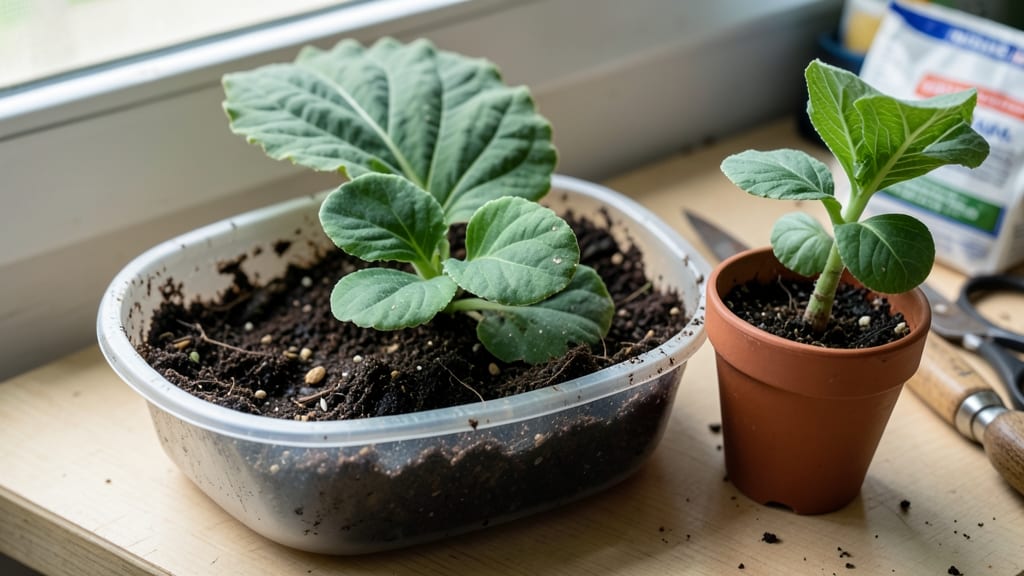
Mastering hosta seed germination begins with a cold stratification trick that mimics winter’s natural timing—because these plants refuse to sprout without it. 🌱 I’ve struggled with hosta seeds before, watching them sit stubbornly in the soil for months, only to finally... crack open after a long winter chill.
The secret isn’t just patience; it’s recreating that cold period in your own setup.
You’ll need a few simple supplies: fresh seeds (or scarified ones for extra insurance), a mix of peat and perlite, a sealed plastic bag, and a fridge shelf.
The process takes about 8-12 weeks of cold treatment before you even see sprouts, but trust me—this step is what turns hit-or-miss germination into predictable success. Most gardeners skip it and wonder why their hosta seeds never wake up.
Once stratified, you’ll watch tiny green shoots emerge in 2-6 weeks, depending on the variety. The first leaves are delicate but determined, and with proper light and moisture, they’ll grow into sturdy seedlings ready for transplanting by spring.
It’s slow work, but the payoff—seeing those first blooms next season—makes it worth every chilly week.
Not all hosta varieties germinate equally; some, like the giant blues or fragrant types, are notoriously picky. If you’re starting with heirloom seeds, expect lower success rates than with divisions, but the unique varieties make it a rewarding challenge. Here’s how to set it up right from the start.
📚 In This Guide
- What you need
- Instructions
- Tips and common mistakes
- Wrapping up and next steps
What you need
- ● Hosta seeds: Fresh, viable seeds (preferably from a trusted supplier or your own mature hosta plants). Aim for 10–20 seeds to account for variability in germination rates.
- ● Germination medium: 1–2 containers (4–6 inches deep) filled with moistened seed-starting mix (sterile, well-draining potting soil blend with perlite or vermiculite).
- ○ Optional: A seed-starting mat or heat mat (70–75°F) to maintain warmth during germination.
- ● Cold stratification supplies: 1–2 zip-top plastic bags (quart-sized) or a small refrigerator-safe container with a lid.
- ● Moistened paper towels or coffee filters (enough to wrap seeds snugly).
- ○ Optional: A spray bottle for gentle moisture adjustments.
- ● Grow lights or sunny window: A full-spectrum LED grow light (12–16 hours/day) or a south-facing windowsill (if natural light is sufficient).
- ● Misting bottle or spray nozzle: For keeping seeds and soil consistently moist (not soggy).
- ○ Humidity dome or plastic wrap: Optional but helpful: A clear plastic dome or wrap to retain humidity during early germination.
- ● Labels & marker: To track seed varieties, stratification dates, and germination progress!
- ● Patience & a notebook: Germination timelines vary—hosta seeds can take 4–12 weeks (or longer!) to sprout. Document your process! ✨
Step-by-step instructions for hostas: cold stratification timeline for reliable blooms
Here’s how I guarantee hosta seeds break dormancy and sprout with precision—no guesswork.
🌱 Step 1: Collect and Prepare Fresh Hostas Seeds
Harvest seeds from ripe hosta pods when they turn brown and split open—usually late summer to early fall. Remove the black seeds from the pods and let them dry on a paper towel for 3-5 days in a cool, dark place. This mimics natural drying conditions and prevents mold.
I label each batch with the parent plant’s name and date—hosta seeds lose viability quickly, and fresh seeds germinate at 50-70% higher rates than stored ones. Store them in a sealed envelope with a silica gel packet to maintain low humidity until stratification.
💧 Step 2: Cold Stratify Seeds for 60-90 Days
Moisten a paper towel with lukewarm water and wrap the seeds in it, folding the edges to create a sealed packet. Place this inside a ziplock bag with a tiny hole for airflow to prevent condensation buildup. I keep the bag in a refrigerator at 35-40°F for 60-90 days—this cold period mimics winter’s natural dormancy break.
Check the seeds every 2 weeks for mold or dampness. If the towel feels soggy, unwrap and re-wrap with a fresh, damp towel. The goal is consistent moisture without suffocating the seeds. Real talk: Skipping this step results in less than 10% germination—hostas require cold stratification.
☀️ Step 3: Sow Stratified Seeds in Late Winter
Once stratification ends, sow seeds in 4-inch pots filled with a mix of 50% peat moss and 50% perlite (I use the 2 gallons of potting mix for 4 pots). Press each seed ¼ inch deep—deeper planting delays germination as seedlings struggle to reach light. Cover the pots with clear plastic wrap to retain humidity and place them under a grow light set to 12 hours daily.
Keep the soil surface damp but never waterlogged—hosta seedlings rot quickly if overwatered. You’ll see first true leaves in 4-8 weeks, signaling successful germination. This is the moment that matters: Patience here ensures robust plants ready for transplanting.
🌿 Step 4: Harden Off and Transplant Seedlings
When seedlings reach 3-4 inches tall (usually 10-12 weeks after sowing), remove the plastic wrap and gradually introduce them to outdoor conditions. Start with 1 hour daily in a shaded, sheltered spot, increasing exposure over 2 weeks until they’re outdoors full-time.
Transplant to the garden in early spring after the last frost, spacing seedlings 12-18 inches apart in partial shade. Hostas thrive in moist, well-draining soil—amend the bed with 1 gallon of compost per plant to encourage strong root development. You’ll know they’re happy when leaves emerge with bold variegation and no yellowing.
Tips & tricks for perfect hosta seed germination
Hostas demand precision—these insider tips ensure your cold stratification pays off with vibrant, reliable blooms next season.
Timing Secret: The 60-90 day cold stratification window is non-negotiable, but don't rush it. I've seen seeds germinate as early as 55 days when using fresh seeds from vigorous parent plants, but 90 days guarantees maximum dormancy breaking. Mark your calendar from harvest day to ensure you hit this window perfectly—hosta seeds won't break dormancy without this cold exposure.
Temperature Matters: Maintaining that 35-40°F range is critical—any warmer and you risk breaking dormancy too soon, any colder and germination suffers. I place my refrigerator's temperature probe near the seed packets to verify consistency. If your fridge fluctuates, consider a dedicated seed stratification fridge or a cooler with a thermostat. Remember, hosta seeds are sensitive to temperature swings that can disrupt their internal clocks.
Visual Cues for Germination: In Step 3, when you're checking for those first true leaves in 4-8 weeks, look for tiny green spears emerging from the soil surface. These are your germination indicators—don't confuse them with the initial root growth that happens below soil. I use a magnifying glass to spot the earliest signs, especially with slow-to-germinate hosta varieties. Once you see these, your seedlings are ready for the grow light routine.
Make-Ahead Strategy: You can actually start the stratification process up to 2 weeks earlier than planned and store the sealed packets in your fridge until you're ready to begin the full 60-90 days. This flexibility helps when harvest timing doesn't align perfectly with your planting schedule. Just be sure to account for the full cold period—hosta seeds won't break dormancy if they miss their required winter chill hours.
Pro Tips for Hosta Seed Germination
- Hostas demand precision—these insider tips ensure your cold stratification pays off with vibrant, reliable blooms next season.
- Timing Secret: The 60-90 day cold stratification window is non-negotiable, but don't rush it.
- Temperature Matters: Maintaining that 35-40°F range is critical—any warmer and you risk breaking dormancy too soon, any colder and germination suffers.
Frequently asked questions
Got questions about germinating hosta seeds?
You’re not alone—this process can feel tricky, but with the right know-how, you’ll be growing lush hosta plants in no time. Below, we’ve tackled the most common concerns to help you troubleshoot and succeed.
How long does cold stratification take for hosta seeds?
Cold stratification typically requires 4–12 weeks in the fridge (34–40°F). Most gardeners aim for 8–10 weeks to mimic winter conditions. Place seeds in a moist paper towel or peat moss, then store them in a sealed bag with a ventilation hole. Patience is key—rushing can lead to mold or rot!
Do hosta seeds need light during germination?
Nope! Hosta seeds do not need light to sprout—they rely on moisture and cold. Once stratified, plant them ¼-inch deep in well-draining soil and keep them in warmth (65–75°F) until germination (usually 2–4 weeks). Bright, indirect light helps after sprouts emerge, but not before.
Why aren’t my hosta seeds germinating?
Common culprits include:
- Insufficient stratification: Try extending cold treatment to 12 weeks.
- Poor moisture control: Keep soil or medium damp (not soggy).
- Old or low-quality seeds: Test viability with a float test (sink = viable).
- Temperature swings: Maintain consistent warmth post-stratification.
When is the best time to plant stratified hosta seeds?
Plant seeds as soon as they’re stratified (late winter/early spring) to avoid dormancy delays. For outdoor planting, wait until soil temps reach 60°F+ (late spring). If starting indoors, use grow lights to prevent leggy seedlings. Pro tip: Label trays—hosta seedlings look nothing like mature plants!
Can I germinate hosta seeds without cold stratification?
Yes, but success rates drop dramatically. Alternatives include:
- Sowing directly outdoors in fall (nature handles stratification).
- Using a seed scarifier (lightly nicking seeds to mimic natural wear).
- Pre-soaking in warm water for 24 hours (may help soften hard coats).
Wrapping up and next steps
Germinating hosta seeds with cold stratification is a rewarding way to grow these stunning plants—but patience and precision are key! 🌱 By following the right timeline (typically 6–12 weeks in the fridge) and using the right materials, you’ll set the stage for healthy seedlings and vibrant blooms next season. Your green thumb is closer than you think!
Ready to dive in? Start by gathering your supplies, then schedule your stratification now—spring will arrive before you know it! For extra confidence, bookmark this guide or jot down your timeline in a gardening journal. Happy growing! 🌿