
Blooming
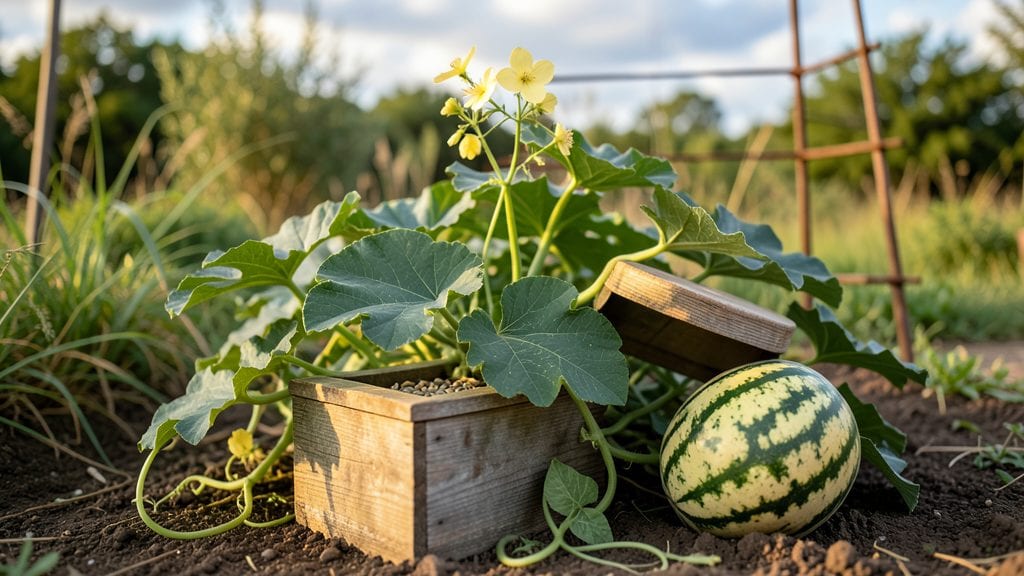
Watermelon seeds can last 2 to 5 years when stored correctly in cool, dry conditions, with heirloom seeds often outlasting hybrids. Proper storage methods prevent moisture damage and oxidation, which degrade seed quality over time.
Proper storage is the key to extending seed viability—think of it like preserving a delicate fruit. 🌱 Heirloom seeds, with their genetic diversity, often survive longer than hybrids because they've evolved to withstand natural fluctuations.
For best results, keep seeds in airtight containers with silica gel packets to absorb any moisture. I've found that refrigeration or freezing works wonders for long-term storage, especially in humid climates where seeds might otherwise spoil within months rather than years.
Testing seed viability before planting is always a smart move. The paper towel method is my go-to: place seeds between damp paper towels, seal in a bag, and wait 3-5 days.
If most seeds sprout, they're still good to use. This simple test saves you from wasting seeds you thought were viable but weren't.
💡 In This Article
- Factors Affecting Watermelon Seed Shelf Life
- Best Storage Methods for Preserving Watermelon Seeds
Factors affecting watermelon seed shelf life
Moisture is the silent killer of watermelon seed viability. When seeds absorb even 5% of their weight in water, enzymatic activity inside the seed accelerates dramatically. This triggers cellular damage through hydrolysis—where water molecules break down proteins and lipids essential for germination.
In humid conditions (above 60% relative humidity), seeds can lose viability within 6-12 months instead of years, because moisture activates fungi and bacteria that degrade the seed's protective outer layers.
Temperature works hand-in-hand with moisture to determine shelf life. At 77°F (25°C) or warmer, seeds experience a 50% reduction in viability within just 12 months due to increased metabolic activity. The optimal storage range is 32-41°F (0-5°C), where enzymatic reactions slow to a crawl.
Freezing (32°F/0°C or below) can actually preserve seeds for decades in ideal conditions, but requires complete moisture exclusion—even trace amounts of ice crystals can rupture seed membranes.
Oxygen exposure accelerates oxidation, which creates free radicals that damage cellular membranes and DNA. In an airtight container, seeds maintain viability 3-5 times longer than in open storage. The difference? Oxygen triggers lipid peroxidation, where unsaturated fats in the seed coat become rancid.
For example, a seed stored in a Mylar bag with oxygen absorbers will last 3-4 years, while one left in a paper envelope may only survive 6-12 months.
Seed type plays a critical role in longevity. Heirloom watermelon seeds often outlast hybrids because their genetic diversity includes traits for natural stress resistance. Hybrids, bred for specific traits like disease resistance or fruit size, tend to have 20-30% shorter viability due to their more uniform genetic makeup.
For instance, a heirloom seed like 'Moon and Stars' might remain viable for 5-7 years under ideal conditions, while a hybrid like 'Sugar Baby' typically drops below 50% viability after 3 years.
Light exposure also matters—though less dramatically. UV rays degrade seed proteins and lipids over time, which is why storing seeds in opaque containers (like dark glass jars) adds an extra 1-2 years of viability.
Even indirect sunlight can cause 10% viability loss per year in sensitive seed varieties. The combination of all these factors—moisture, temperature, oxygen, and light—explains why some seeds last decades while others fail within months.
What most people don't realize is that even "dry" seeds contain 5-10% natural moisture. This internal moisture, combined with external conditions, creates a delicate balance.
For example, a seed stored at 68°F (20°C) with 50% humidity will lose viability 2x faster than one at 37°F (3°C) with 30% humidity. Understanding these interactions lets you extend seed life dramatically with simple adjustments.