
Size
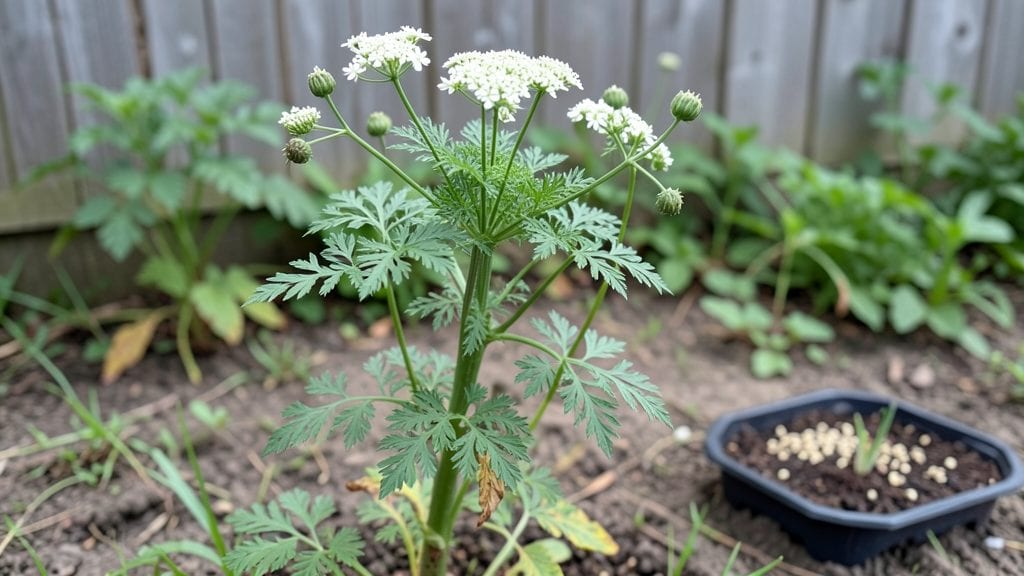
Growing anise seeds from scratch lets you harvest fragrant, licorice-flavored leaves and seeds for cooking and teas. I’ve grown them three seasons now, and the trick is patience—those tiny seeds take their time, but the payoff is worth it.
The first real leaves appear after about 6 weeks, and by summer, you’ll have enough for homemade anise-infused recipes or herbal remedies.
You only need a few things: a sunny spot with 6+ hours of light daily, well-draining potting mix, and a small container or garden bed. Anise thrives in average soil but hates soggy roots, so add perlite or sand if your soil stays damp.
Start seeds indoors 8-10 weeks before frost for an early harvest, or sow directly in spring after the last frost date in your zone.
Once sprouted, keep the soil lightly moist—not soggy—and thin seedlings to 12 inches apart to give them room to grow. The leaves smell like licorice when crushed, and the seeds dry into tiny, aromatic pods perfect for baking or teas.
Expect a 3-4 foot tall plant by mid-summer, with multiple harvests possible throughout the season.
Fair warning: anise attracts pests like aphids, so check undersides of leaves weekly. But with the right care, you’ll end up with a fragrant, productive plant that’s easier to grow than most herbs. Ready to get started?
📚 In This Guide
- What you need
- Instructions
- Tips and common mistakes
- Wrapping up and next steps
What you need
- ● Anise seeds: 1–2 tbsp (about 10–20 seeds per plant). Look for Pimpinella anisum seeds from a trusted supplier.
- ● Containers: Indoor: 4–6-inch pots with drainage holes (1–2 pots per seed batch).
- ● Outdoor: Well-draining soil in a sunny garden bed or large raised planter (spaced 12–18 inches apart).
- ● Potting mix: Light, well-draining soil (e.g., 60% peat moss, 30% perlite, 10% compost). Avoid heavy clay.
- ● Watering can or spray bottle: For gentle hydration (overwatering is a no-no!).
- ○ Fertilizer (optional but helpful): Balanced liquid fertilizer (e.g., 10-10-10) or compost tea, diluted to half-strength.
- ● Trowel or small shovel: For transplanting seedlings (if starting outdoors).
- ● Grow lights (indoor only): LED or fluorescent bulbs (12–16 hours/day) if natural light is limited.
- ● Mulch (outdoor only): Straw or wood chips to retain moisture and suppress weeds.
- ● Plant labels: To track varieties and planting dates (trust us, it helps!).
- ● Pruning shears: For trimming mature plants to encourage bushier growth.
Step-by-step instructions for growing anise seeds
Anise seeds transform into fragrant plants with just a little patience and the right conditions.
Prepare the Soil and Planting Containers
Anise thrives in well-draining soil with plenty of organic matter. Fill your 4-inch pots with a mix of 3 gallons of potting soil and 1 cup of compost—this gives roots the airy environment they need. Avoid garden soil; it compacts too easily and can suffocate delicate seedlings.
Gently loosen the soil with your fingers to break up any clumps, then water it lightly until the top inch feels damp but not soggy. Anise seeds are tiny, so I like to scatter 2-3 seeds per pot and press them just below the surface—about ¼ inch deep. This shallow planting ensures they won’t struggle to reach light.
Provide Warmth and Moisture for Germination
Anise seeds germinate best in warmth, ideally between 68-75°F. Place your pots in a sunny windowsill or under a grow light positioned 4 inches above the soil. Cover the pots loosely with plastic wrap to retain moisture—this creates a mini greenhouse effect that speeds up germination.
Check the soil daily and mist lightly with water if it feels dry to the touch. Overwatering now can drown the seeds before they sprout. You’ll see the first tiny shoots in 7-14 days, but don’t be surprised if it takes longer—patience is key with anise.
Thin Seedlings and Ensure Proper Light
Once seedlings reach 1 inch tall, thin them to the strongest plant per pot. Use small scissors to snip the weaker stems at the base—this prevents competition and gives your anise room to grow. Keep the soil consistently moist but never waterlogged; anise roots rot easily if they sit in soggy conditions.
If your seedlings stretch toward the light with pale stems, they need more brightness. Move them closer to the light source or supplement with a grow light for 14-16 hours daily. Strong anise plants develop deep green leaves and sturdy stems—watch for this as your cue that they’re thriving.
Transplant and Maintain Through Maturity
When seedlings are 3-4 inches tall and have 4-5 true leaves, transplant them into larger 6-inch pots filled with fresh potting soil. Handle the plants gently to avoid damaging roots, and water thoroughly after transplanting. Anise prefers full sun—place them in a spot where they’ll get 6+ hours of sunlight daily.
Fertilize lightly every 4-6 weeks with a balanced liquid fertilizer (like 10-10-10) to encourage healthy growth. Harvest leaves as needed, but leave at least half the plant to keep it producing. By 6 weeks, you’ll have fragrant anise ready for culinary use or drying.
Tips & tricks for perfect anise seed growth
A few simple strategies will help you transform those tiny anise seeds into thriving, fragrant plants with minimal fuss.
Soil Preparation Secret: The mix of 3 gallons of potting soil and 1 cup of compost creates the perfect airy environment for anise roots. I like to add a handful of perlite to this mix to improve drainage even further—this prevents the soil from becoming too compacted, which is crucial since anise roots need oxygen. Don't skip this step, as compacted soil can suffocate your delicate seedlings before they even get started.
Germination Temperature Tip: Maintaining that 68-75°F range is absolutely critical for germination. If your home tends to be cooler, consider placing your pots on top of a seedling heat mat set to 75°F. I've found that seeds placed in this warm environment often sprout within 7 days rather than the full 14 days, giving you a head start on growing season. The warmth mimics the natural conditions anise would experience in its native Mediterranean climate.
Lighting Strategy: When you're providing those 14-16 hours of grow light daily, position the light just 4 inches above the soil—this distance ensures your seedlings get enough intensity without burning. I've noticed that anise seedlings grow much more vigorously when they receive this consistent light exposure. If you're using natural sunlight, rotate your pots every few days so all sides get equal exposure, preventing lopsided growth.
Transplanting Technique: When it's time to move your 3-4 inch seedlings into 6-inch pots, I recommend watering them thoroughly the day before transplanting. This helps prevent transplant shock by keeping the roots hydrated during the transition. After transplanting, give them a week of gentle care—water only when the top inch of soil feels dry—to help them establish their new root systems before resuming your regular care routine.
Pro Tips for Grow Anise Seeds
- A few simple strategies will help you transform those tiny anise seeds into thriving, fragrant plants with minimal fuss.
- Soil Preparation Secret: The mix of 3 gallons of potting soil and 1 cup of compost creates the perfect airy environment for anise roots.
- Germination Temperature Tip: Maintaining that 68-75°F range is absolutely critical for germination.
Frequently asked questions
Got questions about growing anise seeds? You’re not alone—this fragrant herb can be tricky for beginners! Here are answers to the most common queries to help you grow lush, aromatic plants with ease.
How long does it take for anise seeds to germinate?
Anise seeds typically take 14–21 days to germinate, depending on soil temperature and moisture. For faster sprouts, soak seeds in warm water for 6–12 hours before planting in well-drained, warm soil (60–75°F). Patience is key—don’t disturb the soil while waiting!
Can I grow anise seeds indoors?
Yes! Anise thrives indoors with 6+ hours of sunlight daily (a sunny windowsill or grow lights work). Use a pot with drainage, keep soil consistently moist, and thin seedlings to 12 inches apart. Just watch for pests like aphids—spray with neem oil if needed.
What’s the best way to harvest anise seeds?
Harvest seeds when the plant’s umbels (flower clusters) turn brown and dry naturally (usually late summer/fall). Snip the seed heads, dry them in a paper bag for 1–2 weeks, then rub to release the seeds. Store in an airtight jar away from light.
Why aren’t my anise plants growing?
Slow growth often stems from poor drainage, cold soil, or overcrowding. Ensure pots have drainage holes, keep soil warm (use a heat mat if needed), and thin seedlings to 18–24 inches apart. Yellow leaves? Check for root rot—reduce watering and improve airflow.
Can I substitute anise seeds for fennel seeds in recipes?
Anise and fennel seeds are closely related and interchangeable in most dishes (e.g., bread, sausages, or teas). Use a 1:1 ratio, but note anise has a slightly sweeter, licorice-like flavor. For stronger anise notes, toast seeds lightly before grinding.
Wrapping up and next steps
Growing anise seeds is a rewarding journey that transforms tiny sprouts into fragrant, versatile herbs in just six weeks!
With the right soil, sunlight, and care, you’ll soon enjoy their sweet, licorice-like aroma—whether in cooking, teas, or homemade remedies. Don’t let a few challenges discourage you: patience and consistency are key!
Now that you’re armed with tips and tricks, why not start your own anise patch today? Share your progress with fellow gardeners or experiment with recipes using your homegrown harvest. Happy growing! 🌱✨