
Size
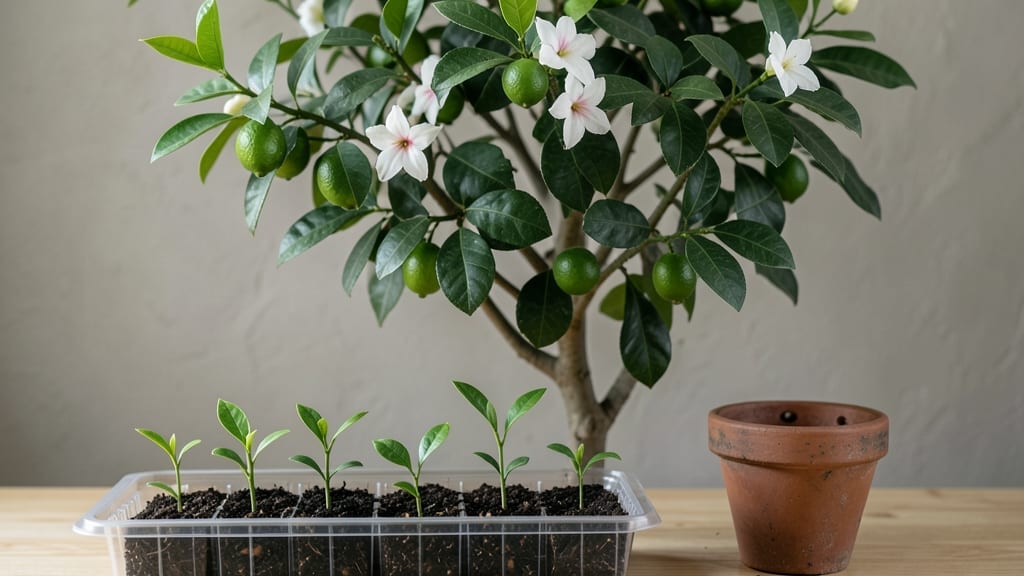
Growing lemon seeds indoors turns your kitchen windowsill into a sunlit citrus grove in just six months. 🌱 The secret isn't complicated—it's about mimicking the warm, humid conditions young citrus trees crave, and I've perfected this method after watching my first seedling finally crack through the soil after 47 days.
You'll need a shallow container with drainage holes, a well-draining soil mix (equal parts potting soil and perlite), and a bright spot near a south-facing window or under a grow light.
Most people rush the soil choice, but citrus roots hate soggy conditions—this mix prevents root rot while keeping moisture just right. The first few weeks are critical: keep the soil consistently damp (not wet) and the air humid with a plastic bag or pebble tray.
By month three, you'll see those first true leaves—small, glossy, and shaped like miniature citrus. That's when the real magic happens: prune back leggy growth to encourage bushiness, and start fertilizing lightly with a balanced citrus fertilizer every other week.
Within six months, you could be harvesting tiny, tart lemons—small but packed with flavor.
This method works year-round, even in winter, as long as you supplement light. The biggest challenge? Patience—citrus seeds are slow starters, but once they break through, they grow surprisingly fast. Let's get those seeds planted!
📚 In This Guide
- What you need
- Instructions
- Tips and common mistakes
- Wrapping up and next steps
What you need
- ● Lemon seeds – 3–5 fresh, plump seeds (harvested from an organic lemon for best results).
- ● Small pots or containers – 3–4 inch diameter (ensure drainage holes are present).
- ● Well-draining potting mix – A blend of cactus/succulent soil (60%) and perlite or vermiculite (40%) for aeration.
- ● Watering can or spray bottle – For gentle hydration (avoid overwatering!).
- ● Plastic wrap or clear lid – To create a mini greenhouse effect during germination.
- ● Grow lights or a sunny windowsill – A south-facing window (6+ hours of light/day) or a full-spectrum LED grow light (12–14 hrs/day).
- ○ Fertilizer (optional but helpful) – A balanced liquid fertilizer (e.g., 10-10-10) diluted to half-strength, used every 4–6 weeks.
- ● Tweezers or toothpick – For gently placing seeds in soil.
- ● Spray bottle – Keeps soil moist without drowning seeds.
- ○ Humidity tray (optional) – A shallow tray with pebbles and water to boost moisture.
- ● Support stake or trellis (for later) – As your lemon tree grows taller (6+ months).
- ● Pruning shears – For shaping the tree once it’s established.
Step-by-step instructions for growing lemon seeds indoors
Here's my foolproof method for sprouting lemon seeds into thriving houseplants—no green thumb required.
🌱 Step 1: Extract and Prepare the Seeds
Save the seeds from a fresh, organic lemon (store-bought seeds often won't germinate). Cut the lemon in half and scoop out the pulp with a spoon, then rinse the seeds under lukewarm water to remove any sticky residue. Place them in a small bowl and cover with warm water for 24 hours—this softens the outer coating and speeds up germination.
After soaking, drain the water and let the seeds air-dry for 10-15 minutes on a paper towel. This prevents mold while keeping them moist enough to sprout. I like to wrap them in a damp paper towel and fold it over, then place the bundle inside a resealable plastic bag. Store it in a warm, dark spot like a cabinet until you see tiny white roots emerging—usually within 3-7 days.
🪴 Step 2: Plant the Germinated Seeds
Fill a 4-inch diameter pot with a well-draining potting mix (I use a blend of 60% potting soil and 40% perlite for airflow). Make a small hole about ½ inch deep with your finger and gently place one seed root-side down into the hole. Cover it with soil, pressing lightly to secure it without compacting.
Water the soil until it's evenly moist but not soggy—you'll know it's right when water drips from the drainage hole. Place the pot in a warm spot (around 70-75°F) with indirect light, like a kitchen windowsill. Keep the soil consistently moist, but never waterlogged. You should see the first true leaves appear within 2-4 weeks.
☀️ Step 3: Provide Light and Care for Growth
Once the seedling has 3-4 sets of leaves, move it to a bright spot with 6-8 hours of indirect sunlight daily. A south-facing window works best, but if natural light is weak, supplement with a grow light for 12-14 hours per day. Rotate the pot a quarter turn weekly so the plant grows straight instead of leaning toward the light.
Water when the top 1 inch of soil feels dry—stick your finger in to check. Lemon seedlings hate soggy roots, so always use a pot with drainage holes. Feed with a balanced liquid fertilizer (10-10-10) diluted to half-strength every 4-6 weeks during the growing season. You'll notice new leaves forming every few weeks as the plant matures.
✂️ Step 4: Prune and Support the Tree
When your lemon tree reaches 12-18 inches tall, it's time to prune. Use clean scissors to trim back the longest branches by ⅓ of their length to encourage bushier growth. Always cut just above a leaf node (the bump where leaves grow) to promote new branches. Prune in early spring to shape the tree and remove any dead or yellowing leaves.
Support the tree with a small stake if it starts to lean. Tie the main stem loosely to the stake with soft twine, adjusting as the plant grows. This prevents the trunk from bending under its own weight. With proper care, your lemon tree will start producing fragrant white flowers within 3-5 years, though fruiting indoors is rare without special pollination techniques.
Tips & tricks for perfect lemon seed growth indoors
Here's what I learned after growing several lemon trees from seed—avoid these common pitfalls for the best results.
The Soaking Secret: That 24-hour soak in warm water isn't just about softening the seed—it's also a great time to check for viability. Discard any seeds that float to the top (they won't germinate) and save the ones that sink. I also add a pinch of cinnamon to the soaking water—it's a natural antifungal that prevents mold during the critical germination phase.
Temperature Matters: Maintaining that 70-75°F range is crucial during germination. If your home runs cooler, place the seed bag near a warm spot like the top of your fridge (not inside) or use a seedling heat mat set to low. I've seen germination rates drop dramatically when seeds get too cold—sometimes by as much as 50%! The warm, dark cabinet creates perfect conditions without needing fancy equipment.
Light Transition Strategy: When moving your seedling to the bright spot after 3-4 sets of leaves, don't rush it! Gradually increase sunlight exposure over 5-7 days by moving it closer to the window each day. Sudden bright light can shock tender seedlings, causing them to turn yellow or even burn. I start with just 1-2 hours of morning sun and slowly build up to the full 6-8 hours.
Pruning Precision: That ⅓ length trim when pruning might seem aggressive, but it's actually what encourages bushier growth. Always make your cuts at a 45-degree angle just above a leaf node—this helps water run off and prevents rot. I use small floral scissors for precision and always sterilize them with rubbing alcohol between cuts to prevent disease. Timing matters too—early spring is ideal because it gives your tree time to recover before summer heat stress.
Pro Tips for Grow Lemon Seeds Indoors
- Here's what I learned after growing several lemon trees from seed—avoid these common pitfalls for the best results.
- The Soaking Secret: That 24-hour soak in warm water isn't just about softening the seed—it's also a great time to check for viability.
- Temperature Matters: Maintaining that 70-75°F range is crucial during germination.
Frequently asked questions
Got questions about growing lemon seeds indoors? You’re not alone! Here are some of the most common queries—and their answers—to help you succeed with your tiny citrus tree.
How long does it take for lemon seeds to sprout?
Patience is key! Most lemon seeds sprout within 2 to 4 weeks if kept in warm, moist conditions (around 70°F). If you don’t see sprouts after 6 weeks, the seed might need more warmth or moisture. Try gently pressing it into fresh, damp soil or using a heat mat to speed things up.
Can I grow a lemon tree indoors from a grocery store lemon?
Store-bought lemons are perfect for this project. Just wash the seeds thoroughly to remove any residual wax or cleaners, then dry them before planting. While the tree may not produce fruit identical to its parent, it’s a fun and rewarding experiment. Plus, you’ll get a fragrant, decorative plant!
How fast will my indoor lemon tree grow, and when can I expect fruit?
Indoor lemon trees grow slowly—expect 6 to 12 inches per year under ideal conditions. Fruit production can take 3 to 5 years (or longer), and even then, indoor-grown lemons may be small or bitter. Focus on enjoying the tree’s beauty and scent first! For faster growth, ensure bright light (like a south-facing window) and proper care.
Why is my lemon seedling wilting or turning yellow?
Wilting or yellowing leaves usually signal overwatering, underwatering, or poor drainage. Check the soil—it should be lightly moist (not soggy). If the pot lacks drainage holes, repot your seedling into one with holes. Also, ensure it’s in bright, indirect light; direct sun can scorch young leaves. A quick fix: trim yellow leaves and adjust watering habits.
What if my lemon seed doesn’t sprout? Can I try another one?
Don’t give up! Some seeds are viable but dormant. Try soaking the seed in warm water for 24 hours before replanting, or gently nick the seed coat with a knife to encourage germination. If multiple seeds fail, the lemon might have been past its prime. Grab a fresh lemon and try again—success often comes with persistence!
Wrapping up and next steps
Growing a lemon tree from seed indoors is a rewarding journey that brings fresh, fragrant citrus right to your kitchen! With patience, the right tools, and a little sunlight, you’ll soon enjoy the sweet satisfaction of nurturing your own tiny tree—and maybe even lemons in just a few years. 🌱✨
Ready to take the next step? Once your seedling sprouts, keep the momentum going by researching pruning, repotting, or even sharing your new green thumb adventure with friends. Happy growing!