
How To
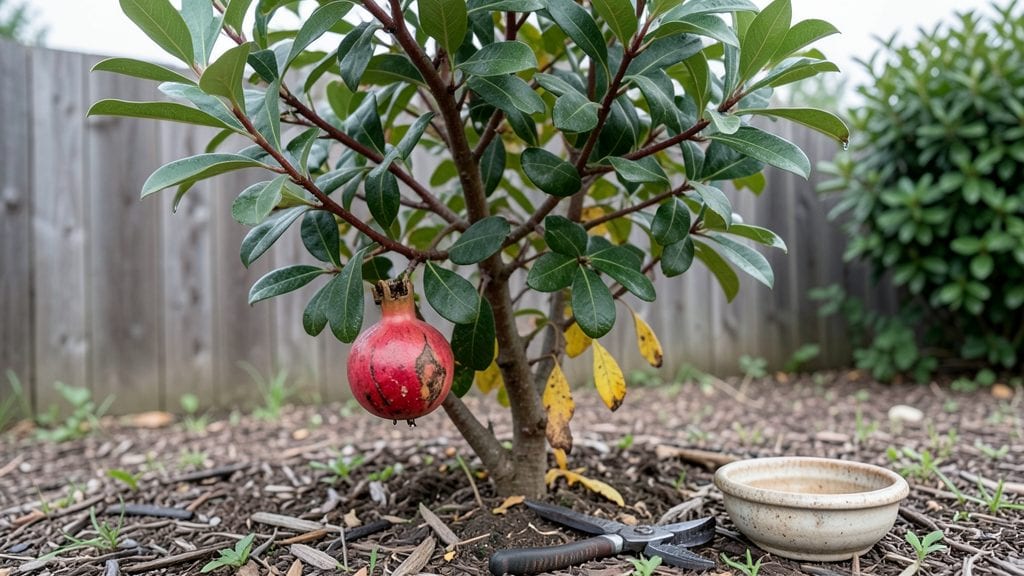
Harvesting pomegranate seeds efficiently turns a messy chore into a rewarding process—no more stained fingers or wasted arils.
Pomegranates 🍇 are nature’s candy bombs, but cracking them open cleanly is an art. One wrong move and you’re elbow-deep in juice and pulp, wondering where the seeds even went. The right technique saves time, minimizes waste, and even lets you repurpose the leftover pulp into juice or syrups.
You don’t need fancy tools—just a bowl, a spoon, and a little patience. Below, I’ll walk you through the fastest, mess-free method to extract every seed, plus tips to store them for planting or snacking. Ready to turn that ruby fruit into a seed harvest without the headache?
Whether you’re growing your own pomegranate tree or just love the taste, this guide ensures you’ll get the most out of every fruit—no sticky surprises included.
Step-by-step guide to harvesting pomegranate seeds without the mess
Harvesting pomegranate seeds (or arils) can feel like solving a puzzle—until you know the right technique. The sticky red pulp and stubborn membranes make it easy to end up with stained hands and a counter that looks like a crime scene.
But with the right tools and method, you’ll extract those juicy seeds cleanly in minutes, with minimal waste. I’ve cracked open dozens of pomegranates using this foolproof approach, and it works every time.
Before you begin, gather your essential tools: a sharp chef’s knife or serrated knife, a large bowl, a fine-mesh strainer or colander, and a spoon. Optional but helpful: a cutting board to protect your counters and paper towels for cleanup.
The key is to cut strategically and rinse efficiently—skipping these steps leads to the dreaded pomegranate stain on your fingers.
How to Harvest Pomegranate Seeds in 5 Easy Steps
- Step 1: Cut the Pomegranate
Place the pomegranate on a cutting board and slice it horizontally in half, cutting through the equator. Use a sharp knife to avoid squishing the fruit. - Step 2: Score the Membranes
Hold one half over the bowl and use your knife tip to gently score the white membranes connecting the seeds. Work from the center outward to loosen them. - Step 3: Separate Seeds from Pulp
Dip the scored half into a large bowl of water. The arils will sink, while the pulp and membranes float. Swirl gently to separate. - Step 4: Strain and Rinse
Pour the mixture through a fine-mesh strainer or colander to catch the seeds. Rinse under cool water to remove any lingering pulp. - Step 5: Dry and Store
Spread seeds on a paper towel to dry for 10 minutes. Store in an airtight container in the fridge for up to 5 days or freeze for longer storage.
Pro tip: If you’re harvesting multiple pomegranates, freeze the halves for 10–15 minutes before cutting. The cold makes the arils easier to separate from the membranes, reducing mess and speeding up the process.
I’ve even seen gardeners use a blender for the pulp (more on that in the juice section!), but I prefer the hands-on method for full control over seed quality.
One common mistake is over-squeezing the pomegranate, which releases tannins that stain your hands and tools. Instead, score the membranes and let the water do the work. For dwarf pomegranate varieties, like ‘Wonderful’ or ‘Eversweet’, the seeds are larger and easier to extract—perfect for beginners.
If you’re growing your own pomegranate tree, harvesting at peak ripeness (when the rind is deep red and slightly cracked) ensures the sweetest, juiciest seeds.
Don’t toss that leftover pulp! It’s packed with antioxidants and can be strained for homemade pomegranate juice or reduced into a flavorful syrup. I’ll show you how in the next section, but for now, focus on getting those glossy arils clean and ready to eat.
Trust me, your hands will thank you.
For large-scale harvesting, like if you’re processing a bushel from your garden, consider investing in a pomegranate seed extractor tool (available online). These gadgets cost around $20 and make short work of dozens of fruits. But for the occasional pomegranate? The knife-and-bowl method is all you need.
Final tip: If you’re planting pomegranate seeds for a tree, save the largest, plumpest seeds—they’ll germinate best. Soak them in warm water for 24 hours before planting to soften the outer shell. Now go forth and harvest like a pro—your kitchen (and hands) will stay clean!
Juice extraction tricks: turning pomegranate waste into liquid gold
After harvesting those juicy pomegranate seeds, you’re left with pulp-rich waste that’s perfect for creating delicious liquids. Instead of tossing it, transform it into homemade juice, syrups, or even grenadine. This process is simple, cost-effective, and reduces food waste—win-win for your garden and pantry!
Start by collecting the leftover pomegranate pulp from your seed extraction. This pulp is packed with natural sugars and antioxidants, making it ideal for beverages.
The key is to strain it properly to avoid bitterness from the tannins in the membranes. Use a fine-mesh strainer or cheesecloth for the smoothest results.
💡 Pro Tip: Strain Twice for Clarity
For crystal-clear juice, strain the pulp through a fine-mesh sieve first, then press it through a cheesecloth-lined colander. This removes bitter membranes and tiny seeds, leaving a smooth, vibrant liquid. Add a splash of lemon juice to balance flavors and prevent browning.
To make pomegranate juice, mix the strained pulp with filtered water (about 1:1 ratio) and a pinch of salt to enhance flavor. For a sweeter syrup, simmer the pulp with equal parts water and honey or sugar until reduced by half.
This syrup is perfect for drizzling over yogurt, pancakes, or cocktails.
For homemade grenadine, blend the strained pulp with equal parts water and sugar, then simmer until thickened. Let it cool before bottling. Store it in the fridge for up to 2 weeks or freeze it in ice cube trays for longer shelf life.
This adds a burst of color and tartness to any drink!
Extend the freshness of your pomegranate liquids by storing them in airtight containers in the refrigerator. If you’re not using them immediately, freeze them in small portions to preserve flavor.
Thaw overnight in the fridge before use—no need for a microwave! This way, you’ll always have liquid gold ready to elevate your meals or drinks.
Don’t let a single drop of that pomegranate pulp go to waste! Whether you’re making juice, syrup, or grenadine, these tricks ensure you get the most out of your harvest. Plus, it’s a great way to experiment with flavor combinations in your kitchen. Happy sipping!